Starlink technology, launched by SpaceX, is considered one of the promising solutions to the problem of internet access in remote areas. However, it faces a range of obstacles that may hinder its ability to completely replace traditional internet services.
Amid rising concerns about global internet outages due to geopolitical crises, such as the war on Iran, many users are turning to Starlink services as an alternative. These fears have revived memories of the internet outages that occurred in previous years due to damage to a submarine cable in the Red Sea, increasing the importance of seeking reliable alternatives.
Details of the Event
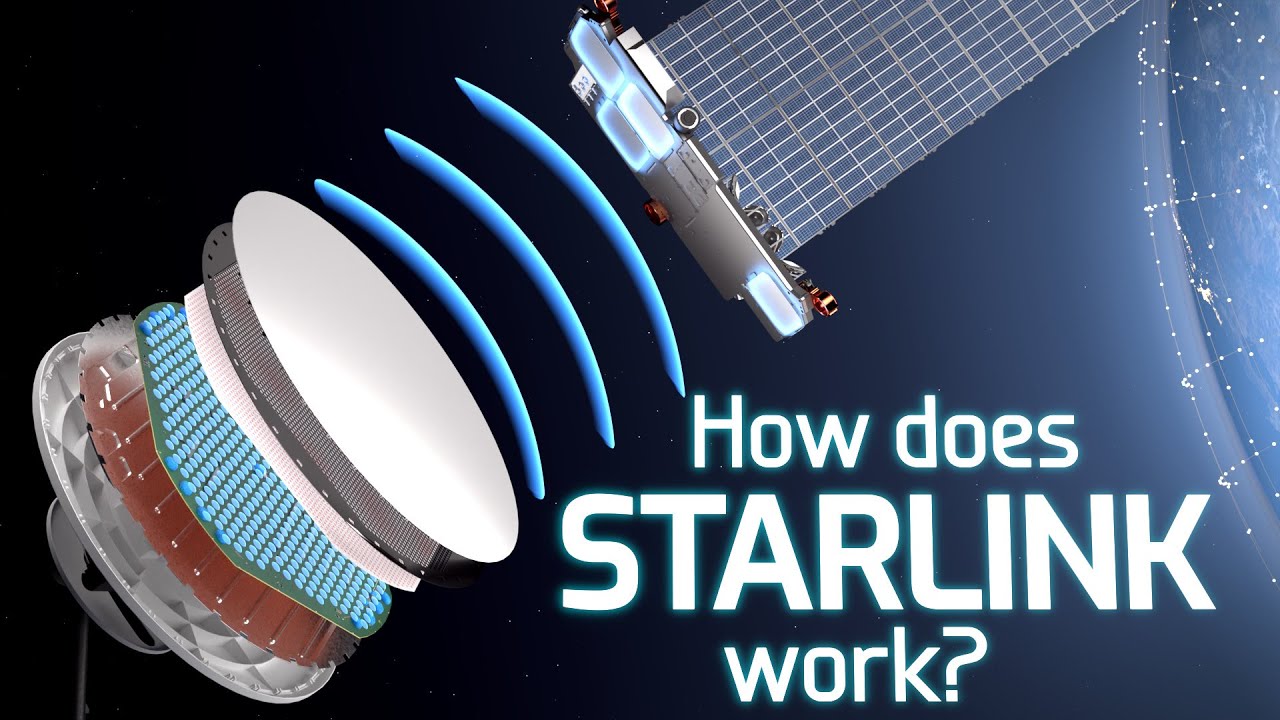
Starlink technology relies on sending and receiving internet signals to and from satellites orbiting at a low altitude of 550 kilometers. Although these satellites may not be visible to the naked eye, they face significant challenges due to space obstacles and terrestrial barriers.
Reports indicate that the layer in which Starlink satellites operate has become increasingly congested, containing over 24,000 space objects, including 10,000 satellites belonging to the company. This congestion led to the recent explosion of one of the satellites, highlighting the risks associated with operating this network.
Background & Context
Historically, traditional internet relies on high-speed submarine cables to transmit data between users and data centers. In contrast, Starlink technology requires an intermediate stage where the signal is sent from the user's device to the satellite, and then to a ground gateway that connects to data centers via fiber optic cables.
This process can lead to bottlenecks in data flow, especially when the number of connected users increases simultaneously. Starlink experienced a service outage lasting two and a half hours last July due to this issue.
Impact & Consequences
SpaceX aims to launch space data centers to overcome the bottleneck caused by reliance on terrestrial infrastructure. However, this project may add an additional burden to the network, potentially leading to new performance issues.
These challenges require Starlink to enhance its technologies and expand its coverage to meet the growing needs of users. Although the company plans to launch more satellites, achieving comprehensive coverage remains a distant goal.
Regional Significance
In the Arab region, where many countries suffer from weak internet infrastructure, Starlink technology could provide a radical solution. However, it must overcome the aforementioned obstacles to be an effective alternative.
If Starlink can improve its services, it may contribute to enhancing access to information and digital services in remote areas, thereby boosting opportunities for economic and social development.