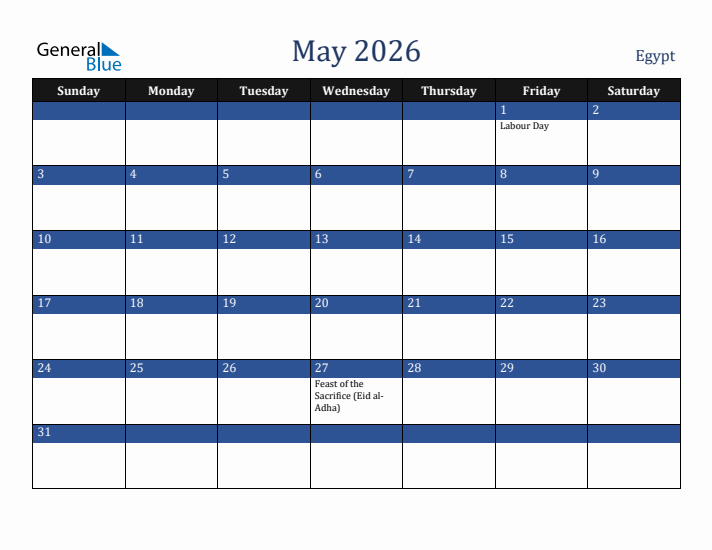
The Egyptian government has announced a paid leave for employees in May 2026, with a total duration of up to eight days. This move is part of ongoing efforts to enhance working conditions and promote employee well-being.
The leave days will be distributed throughout the month, allowing employees the opportunity to rest and rejuvenate. It is expected that this leave will contribute to increased productivity and improved job performance, as rest periods are essential for renewing energy.
Details of the Leave
The leave will commence on the first Friday of May, coinciding with Labor Day, and will continue until the end of the second week. The leave also includes other official holidays, providing employees with additional time to enjoy with their families and loved ones.
This leave is considered part of the government's policy to enhance employee rights, aiming to create a healthy and comfortable work environment. The announcement was made early to enable employees to plan their vacations accordingly.
Background & Context
This initiative comes amid the Egyptian government's efforts to improve working conditions and strengthen employee rights. In recent years, several measures have been taken to enhance workers' rights, including raising the minimum wage and improving working conditions.
Official holidays are a fundamental part of employee rights, contributing to improved quality of life and providing necessary time for relaxation. Studies have shown that break periods lead to increased productivity and enhanced job performance.
Impact & Consequences
This leave is expected to have a positive impact on employees and their families, granting them the chance to relax and recharge. Additionally, this step may foster a spirit of teamwork and collaboration among employees.
Official holidays also contribute to boosting domestic tourism, as employees can utilize this time to travel and visit tourist attractions within the country. This could support the local economy and increase commercial activity.
Regional Significance
This initiative serves as a model for other Arab countries, potentially inspiring governments in the region to enhance employee rights and improve working conditions. Such policies may lead to better relations between the government and workers, contributing to labor market stability.
Given the economic challenges faced by many Arab countries, improving working conditions and ensuring employee rights can have a positive impact on social and economic stability.