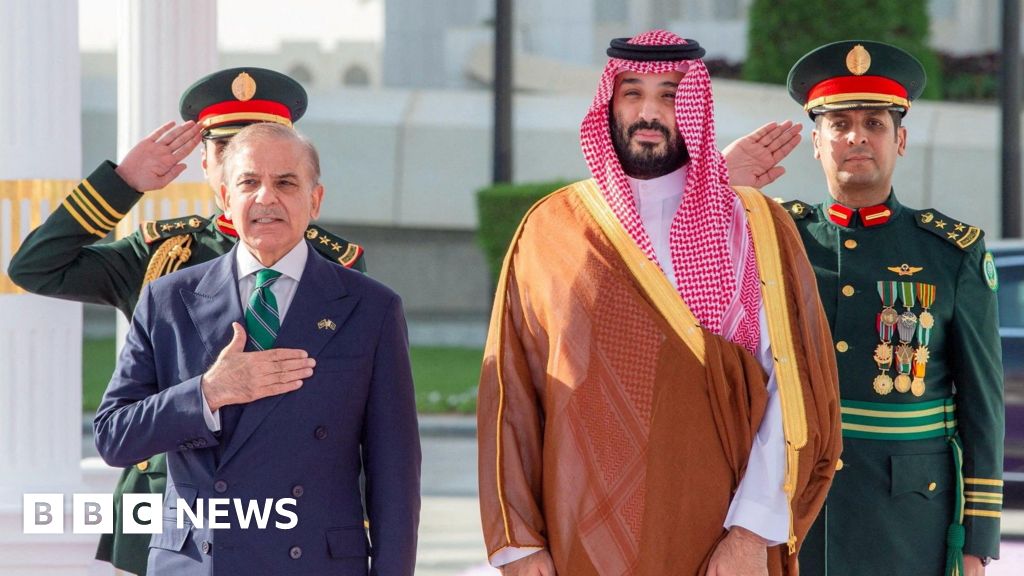
Pakistan's Foreign Minister Muhammad Ishaq Dar engaged in discussions with his Saudi counterpart Faisal bin Farhan regarding the latest developments in the region, focusing on the five-point peace initiative proposed by Pakistan in collaboration with China. Both sides emphasized the importance of reducing tensions in the region and resuming dialogue among the concerned parties.
This phone call occurred at a sensitive time when the region is experiencing increasing tensions, as both countries seek to enhance bilateral cooperation in facing regional challenges. A statement issued by the foreign ministries of both countries highlighted the significance of the historical relations between Pakistan and Saudi Arabia, which have spanned several decades.
Details of the Event
During the call, the two ministers reviewed the bilateral relations between Pakistan and Saudi Arabia, stressing the need to enhance cooperation in various fields, including security and economy. They also addressed the situation in Afghanistan, which has been unstable following the withdrawal of American forces.
The five-point initiative proposed by Pakistan and China is seen as a new step towards achieving peace in the Middle East, comprising several key points aimed at fostering dialogue among different parties and alleviating existing conflicts.
Background & Context
The relations between Pakistan and Saudi Arabia date back a long time, with Saudi Arabia being one of the largest supporters of Pakistan in various fields. The relationship between the two countries has seen notable development in recent years, especially in light of increasing regional challenges.
Through this initiative, Pakistan aims to bolster its role as a mediator in regional issues, particularly amid rising tensions between Iran and Saudi Arabia, which directly impact the stability of the region.
Impact & Consequences
If the five-point initiative is successfully implemented, it could contribute to reducing tensions in the region and enhance the prospects for dialogue among different parties. Additionally, it may open avenues for improving relations between competing nations in the Middle East.
On the other hand, this initiative may face significant challenges, particularly due to ongoing conflicts and the unwillingness of some parties to engage in dialogue. Therefore, the success of this initiative largely depends on the political will of the involved parties.
Regional Significance
This initiative is considered an important step towards achieving stability in the Arab region, as reducing tensions between countries can contribute to improving economic and social conditions. Furthermore, dialogue among different parties may lead to peaceful resolutions to ongoing disputes.
Ultimately, hope remains for the possibility of achieving peace and stability in the region, especially in light of the significant challenges facing Arab nations.