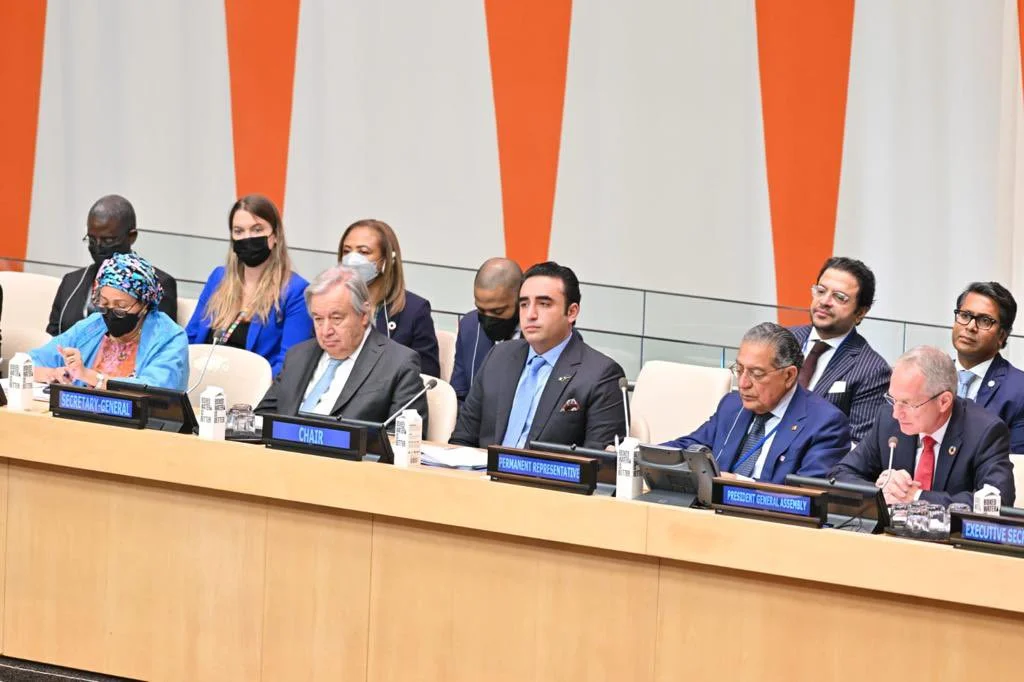
Pakistan's Foreign Minister, Bilawal Bhutto Zardari, has urged Iran to de-escalate tensions in the region ahead of a significant meeting to be held in Islamabad. These statements come at a sensitive time, as tensions between Iran and neighboring countries are increasing, necessitating enhanced dialogue and regional cooperation.
During a press conference, Zardari emphasized the importance of dialogue as a means to resolve outstanding issues between nations, noting that escalation would only exacerbate the situation. He pointed out that Pakistan aims to strengthen relations with its neighbors, including Iran, through joint cooperation in security and economic fields.
Details of the Upcoming Meeting
The Islamabad meeting is part of Pakistan's efforts to bolster regional cooperation, with several foreign ministers from neighboring countries expected to participate. The meeting aims to discuss security and economic issues affecting the region, including tensions between Iran and Gulf countries.
The Pakistani foreign minister, who assumed office earlier this year, is seeking to rebuild relations with neighboring countries, especially in light of the economic and political challenges facing the region. Zardari expressed optimism about the potential for progress in relations with Iran, stressing the importance of direct dialogue.
Background & Context
Historically, relations between Pakistan and Iran have experienced numerous fluctuations, with political and security interests overlapping between the two countries. In recent years, tensions have escalated due to issues such as border security and regional influence. However, both countries recognize the importance of cooperation in facing common challenges.
Pakistan and Iran are significant neighbors in the South Asian region, playing a crucial role in regional stability. As tensions rise in the Middle East, dialogue between them becomes more critical than ever.
Impact & Consequences
Pakistan's call for Iran to de-escalate could open new avenues for cooperation between the two countries, potentially contributing to improved security conditions in the region. If Iran responds positively to this call, the regional situation may witness a positive shift, reflecting on the relationships between other countries in the area.
Moreover, strengthening cooperation between Pakistan and Iran could help address the economic challenges both nations face, especially amid current global crises. This could lead to enhanced economic stability in the region, benefiting the populations of both countries.
Regional Significance
The relationship between Pakistan and Iran is directly influenced by tensions in the Arab region, particularly amidst ongoing conflicts in Syria and Yemen. Any improvement in relations between Pakistan and Iran could contribute to calming situations in these areas, benefiting regional security.
Furthermore, enhancing dialogue between Pakistan and Iran may encourage other countries in the region to take similar steps, contributing to a more stable and cooperative environment in the Middle East.
In conclusion, the call from Pakistan's Foreign Minister for Iran to de-escalate represents an important step towards enhancing regional cooperation and opens new avenues for dialogue between nations. Iran's response to this call could lead to positive outcomes at the regional level, contributing to achieving security and stability in the area.