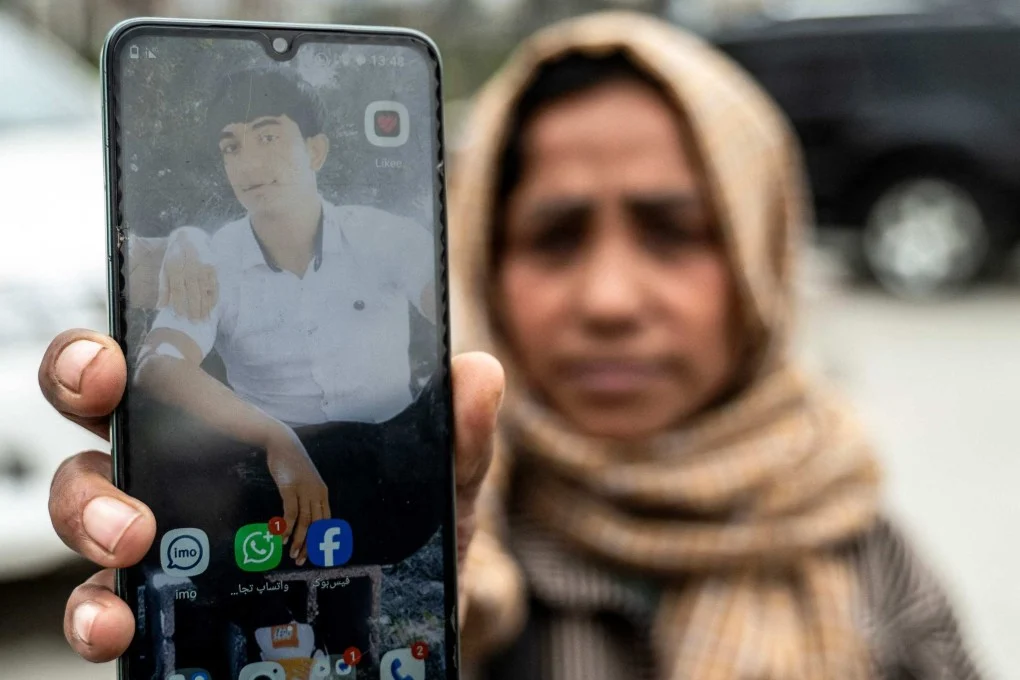
In a tragic incident, a Pakistani airstrike on March 16 led to the deaths of 411 individuals at a drug rehabilitation center in the Afghan capital, Kabul. This attack, which targeted a facility treating addicts, has sparked outrage and international demands for comprehensive investigations.
Samira Mohammadi, the mother of one of the victims, expressed her hope that international investigations will help alleviate her suffering and that of many other mothers who lost their children in this attack. She emphasized the urgent need to hold those responsible for this crime accountable.
Details of the Incident
The attack in Kabul targeted a rehabilitation center, resulting in a high number of casualties, including addicts and center staff. According to Afghan officials, the death toll reached 411, while United Nations sources reported that the number might be lower, with only 250 confirmed dead and many more missing.
This attack comes at a time when Afghanistan is grappling with a severe humanitarian crisis, exacerbated by ongoing conflicts and poverty. The incident has complicated the situation further, raising concerns about the potential for similar attacks in the future.
Background & Context
Historically, Afghanistan has witnessed numerous airstrikes that resulted in civilian casualties, drawing widespread criticism from human rights organizations. The recent attack reflects the ongoing tensions in the region, where humanitarian crises intersect with political and military conflicts.
It is noteworthy that Afghanistan has seen a surge in violence since the Taliban took power in 2021, leading to worsening humanitarian conditions and an increase in the number of displaced persons and casualties.
Impact & Consequences
The recent attack may escalate tensions between Afghanistan and Pakistan, as it is expected to provoke strong reactions from the Afghan government and the international community. There are also concerns that such events could worsen the security situation in the region.
This incident is likely to affect international efforts to provide humanitarian assistance to Afghanistan, as there may be increased pressure on donor countries to deliver urgent support to those affected.
Regional Significance
This incident serves as a reminder to the international community of the urgent need to address humanitarian crises in the region. The situation in Afghanistan could also impact regional security, as fears grow about the spread of extremism and violence to neighboring countries.
In conclusion, this incident remains a wake-up call for the international community to take effective steps to protect civilians in conflict zones and ensure that such tragedies do not recur.