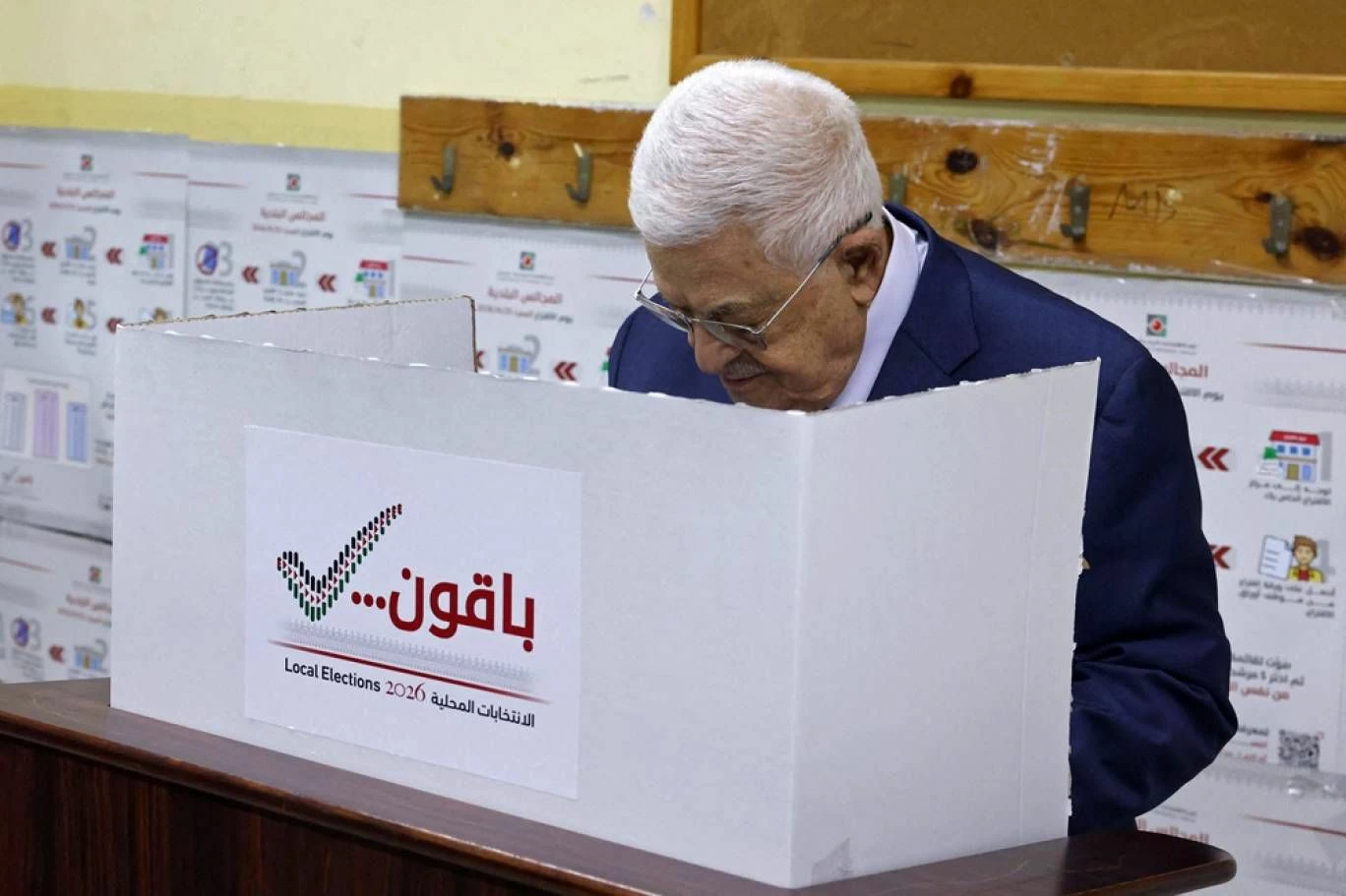
Fatah-affiliated lists dominated the results of the Palestinian local elections, which took place in the West Bank and the city of Deir al-Balah in the Gaza Strip. This political event is seen by Palestinians as a crucial test at an exceptional time. These elections are the first to include part of the Gaza Strip since the 2006 elections and come more than two years after the outbreak of war in Gaza.
The Palestinian Central Elections Commission announced the results of the 2026 local elections, which included 183 local councils, including the municipality of Deir al-Balah. The commission confirmed that the electoral process was conducted under what it described as "extremely complex" conditions, amid war, displacement, and damage to the infrastructure in the region.
Event Details
According to the commission, the number of voters exceeded 522,000, with 95% of the counting protocols entered. The voter turnout in the West Bank was 56%, while Deir al-Balah recorded only 23%, which the commission attributed to displacement conditions and reliance on a civil registry that does not reflect the current reality in Gaza. This participation from Deir al-Balah carries significant political implications, as it underscores Gaza's presence in the Palestinian electoral process despite voting being limited to a single city.
Palestinian Prime Minister Mohammed Mustafa described holding elections in the West Bank and partially in Gaza as a "first and important step" towards consolidating democratic life and strengthening institutional resilience. The results showed progress for Fatah lists and supporters of President Abbas in several local councils, with the movement winning six out of 15 seats in Deir al-Balah, compared to two seats for a list linked to Hamas, which officially boycotted the elections.
Context and Background
This local election is the first to include part of the Gaza Strip since the 2006 elections and comes at a time when the Palestinian Authority seeks to enhance its institutional and political presence. The elections were held in the absence of Hamas from official competition, with 197 local councils being resolved by acclamation, raising questions about the level of competition and the extent of popular expression amid division and war.
The elections come more than two years after the outbreak of war in Gaza, following the attack on October 7, 2023. These difficult circumstances present significant challenges for the Palestinian Authority in promoting democracy and rebuilding trust with citizens.
Impact and Consequences
Despite Fatah's celebration of the results, a broader reading of the voting reveals a more complex picture. The elections were held in the absence of Hamas, which affected the level of competition. The low turnout in some major cities raises questions about the Palestinian Authority's ability to regain popular trust and enhance democracy under the current conditions.
The results may influence the future of political life in Palestine, reflecting a state of division and instability. Additionally, these elections could serve as a gateway to broader national entitlements if the Authority can strengthen its presence and meet citizens' aspirations.
Regional Significance
The results of the Palestinian local elections carry important implications for the Arab region, reflecting the challenges faced by political movements amid ongoing crises. Fatah's success in these elections may bolster its position in the Palestinian political arena, but it simultaneously raises questions about the future of relations among Palestinian factions.
In light of the complex conditions facing the region, the Palestinian elections remain an example of the importance of democracy in promoting stability, despite the significant challenges it faces.