Palestinian-American student, Daniel Khalaf, has secured an important legal settlement against her school district in suburban Detroit, Michigan, after facing disciplinary measures and verbal abuse for refusing to stand for the U.S. national anthem in protest against the ongoing war in Gaza.
In an exclusive interview with Al Jazeera, Daniel Khalaf described the legal confrontation as a "psychologically exhausting experience," emphasizing that her determination to pursue the lawsuit stemmed from her absolute rejection of "teachers using their authority to intimidate students and punish them for their political and humanitarian stances."
Details of the Legal Settlement
The legal settlement obtained by Daniel included a financial compensation of $10,000, in addition to requiring the school to remove the disciplinary infraction from her academic record. Daniel considered this outcome not just a "personal victory," but a "strong message to protect constitutional rights and freedom of expression within American educational institutions."
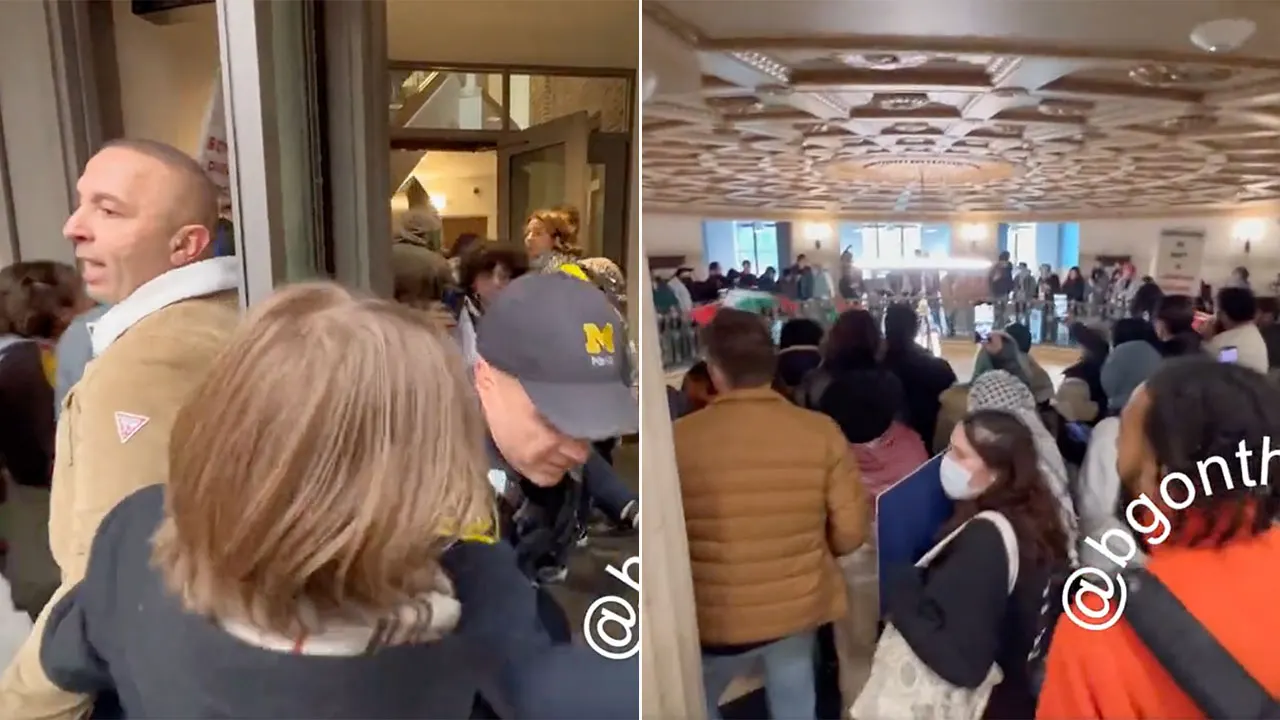
It is noteworthy that Daniel's refusal to stand for the national anthem was not merely an individual act, but occurred within a broader context of protests that have taken place at American universities in solidarity with Palestinians in Gaza. Protests erupted in April 2024, starting from Columbia University and spreading to over 50 universities, resulting in the arrest of more than 3,000 individuals, mostly students and faculty members.
Context and Background
The case of Daniel Khalaf is one of many instances reflecting the increasing tensions in the United States regarding political and humanitarian issues, particularly concerning the Israeli-Palestinian conflict. In recent years, American universities have witnessed a rise in student activism focused on human rights, leading to a division of opinions among students and faculty on how to address these issues.
Calls are increasing in the United States to protect freedom of expression, especially when it comes to political stances that may be unpopular. However, reactions to these stances are often varied, raising questions about the limits of free speech in educational institutions.
Impact and Consequences
The outcome of Daniel Khalaf's case is considered an important step towards enhancing students' rights to express their political opinions without fear of punishment. This case may open the door for further discussion on how to protect freedom of expression in American schools and universities, potentially leading to changes in educational policies.
Moreover, this case highlights the importance of supporting students who take political stances, especially in light of current global conditions marked by rising conflicts and wars. Promoting a culture of dialogue and understanding in educational institutions can contribute to building a more tolerant and understanding society.
Significance for the Arab Region
This case holds significant implications for Arabs abroad, reflecting the challenges faced by Palestinians in expressing their opinions and positions. Supporting Arab students in American universities can help raise awareness of Palestinian issues and strengthen Arab and international solidarity with Palestinian rights.
In conclusion, Daniel Khalaf's case can be seen as a model for students around the world, emphasizing the importance of defending individual rights and freedom of expression, especially in times of crisis.