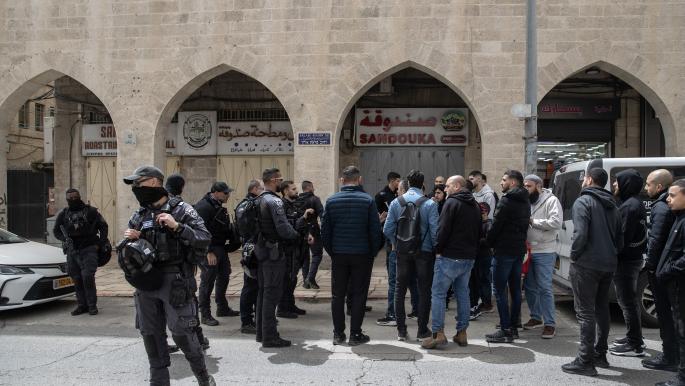
A Palestinian youth sustained serious injuries due to gunfire from Israeli occupation forces in the southern Hebron area, located in the occupied West Bank. This incident comes at a time when the closure of Al-Aqsa Mosque and the Ibrahimi Mosque continues, further heightening tensions in the region.
These events are part of an increasing security escalation witnessed in the Palestinian territories, where Israeli assaults on civilians are on the rise, raising concerns within the international community and exacerbating tensions in the area.
Details of the Incident
According to local sources, the incident occurred late last night when Israeli forces opened fire on the youth while he was in a nearby area to Hebron. The youth was transferred to the hospital for treatment, where reports indicate he is suffering from serious injuries.
In a related context, Israeli forces continue to close Al-Aqsa Mosque and the Ibrahimi Mosque, imposing restrictions on the entry of worshippers, which has led to protests from Palestinians who view these measures as violations of their religious rights.
Background & Context
Historically, the city of Hebron has witnessed recurring tensions due to Israeli occupation, making it one of the most affected Palestinian cities by Israeli assaults. Al-Aqsa Mosque and the Ibrahimi Mosque are sacred sites for Muslims, and these locations have experienced numerous violent incidents in past years.
These events coincide with escalating tensions in the Palestinian territories, where Israeli assaults on civilians are increasing, leading to a worsening humanitarian situation in the region. The international community has condemned these violations, calling for the necessity to respect Palestinian rights.
Impact & Consequences
These events are exacerbating the security situation in the West Bank, increasing feelings of frustration and anger among Palestinians. Furthermore, the continued closure of Al-Aqsa Mosque and the Ibrahimi Mosque raises significant concerns among Muslims worldwide, who regard these sites as sacred.
Relations between Palestinians and Israelis are significantly affected by these events, as the gap between the two sides widens, making it difficult to achieve any progress in the peace process. Additionally, these incidents may lead to further escalation of violence, threatening security and stability in the region.
Regional Significance
The events in Hebron and the Islamic holy sites in Jerusalem are part of the larger picture of the Palestinian-Israeli conflict, which affects relations between Arab countries and Israel. Arab nations are following these events with concern, as the Palestinian issue is considered one of the central issues in Arab politics.
The continued Israeli violations may provoke reactions from Arab countries, potentially contributing to escalating tensions in the region. These events may also impact efforts for Arab-Israeli reconciliation, as pressures increase on Arab governments to intervene to protect Palestinian rights.
In conclusion, the situations in Hebron and Jerusalem remain under scrutiny, with growing fears of worsening humanitarian and security conditions. The current situation requires urgent action from the international community to ensure the protection of Palestinian rights and achieve peace in the region.