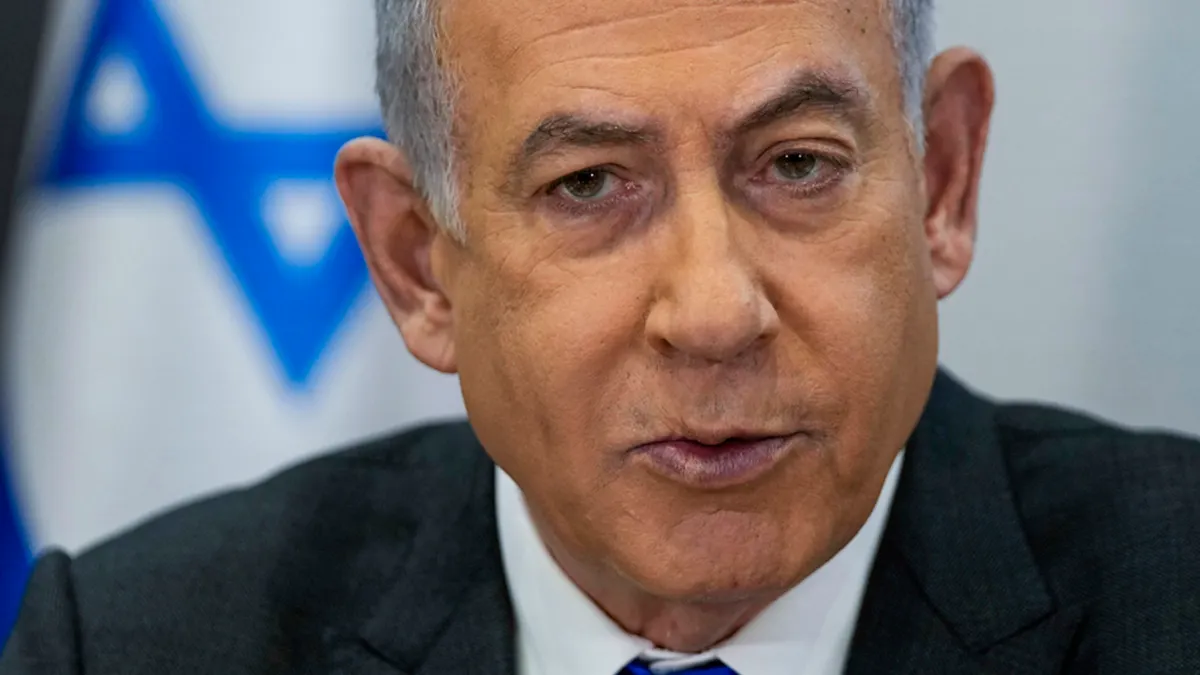
In strong statements, Palestinian leader Qassem affirmed that Hamas will not negotiate directly with Israel, pointing out that arms are a legitimate right that cannot be relinquished. These remarks arise amid escalating tensions in the region, where Palestinians face increasing pressure to accept direct negotiations with the Israeli side.
Qassem, who represents one of the leadership wings of the movement, clarified that direct negotiations with Israel would not yield positive results and could complicate the situation further. He noted that the history of previous negotiations has proven their ineffectiveness, as none of the Palestinian rights have been achieved.
Details of the Statement
In the context of his remarks, Qassem emphasized that Hamas is committed to resisting the occupation and that arms are a means of defending Palestinian rights. He also indicated that the movement will not abandon its core principles, and any attempts to pressure it into negotiations will be met with rejection. These statements come at a time when international calls to revive the peace process are increasing, yet Hamas remains steadfast in its refusal.
These statements emerge during a sensitive period, as tensions rise in the West Bank and Gaza Strip, highlighting the need for a unified Palestinian stance. Qassem called for strengthening national unity to confront current challenges, stressing the importance of joint action among Palestinian factions.
Background & Context
Historically, the Palestinian cause has seen numerous attempts at negotiations with Israel, most of which ended in failure. Since the Oslo Accords in the 1990s, there were significant hopes for achieving peace, but those hopes have faded over time. Qassem's recent statements reflect the frustration of many Palestinians regarding the peace process and underscore the necessity of seeking alternative solutions.
Moreover, the regional situation significantly impacts the Palestinian cause, as regional and international interests intertwine in the conflict. In recent years, the region has witnessed major changes, leading to the emergence of new alliances and shifts in political stances.
Impact & Consequences
The statements made by Qassem may affect peace efforts in the region, reflecting the political instability on the Palestinian scene. If Hamas continues to reject negotiations, this could exacerbate security conditions in the area, increasing civilian suffering.
Additionally, these positions may impact relations between Palestinian factions, as the need for unity to face challenges grows. Simultaneously, these statements could provoke reactions from the Israeli side, heightening tensions in the region.
Regional Significance
The Palestinian cause remains a focal point of interest in the Arab world, with Hamas's recent positions reflecting the challenges faced by Arab countries in supporting the cause. Any escalation in the conflict could affect stability in the region and increase tensions between Arab nations and Israel.
Ultimately, the Palestinian cause remains central in the Arab world, requiring ongoing efforts from all parties to achieve peace and stability. Qassem's recent statements reflect the significant challenges facing Palestinians and emphasize the importance of unity in confronting the occupation.