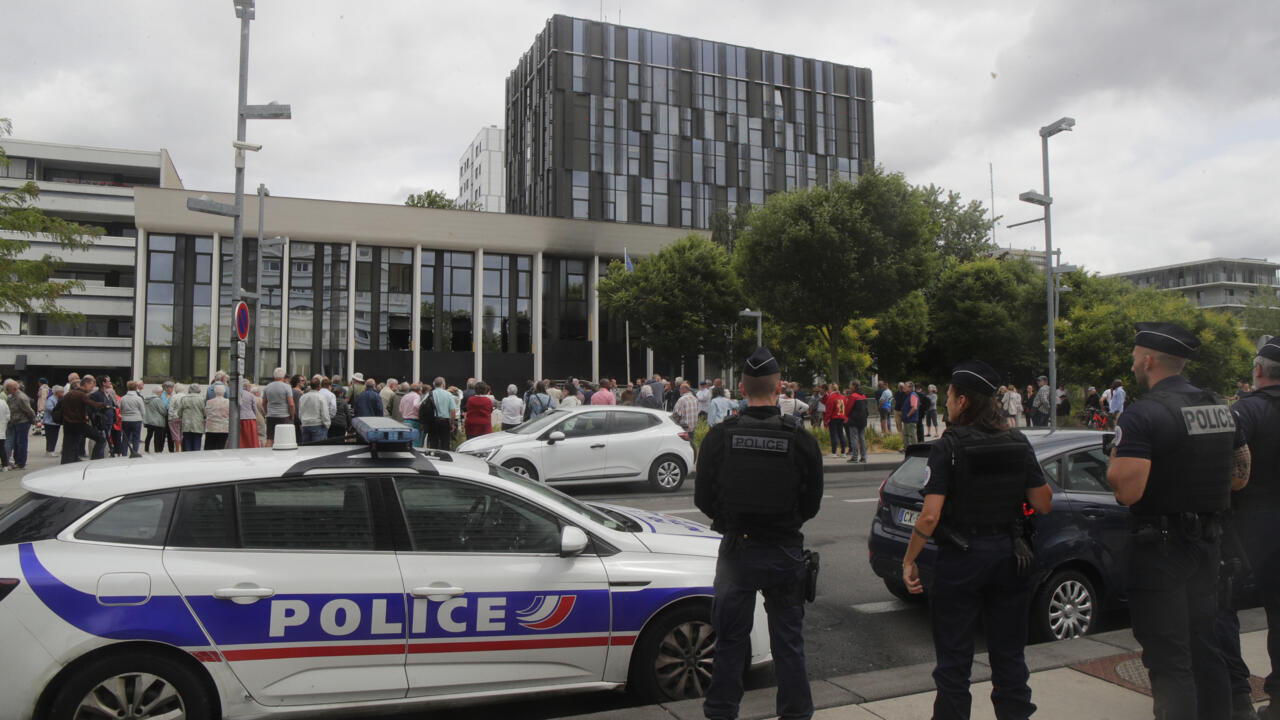
On Thursday, Paris police announced their decision to ban the annual gathering of Muslims in France that was set to take place in the Bourget area north of the capital, due to what they described as a "significant terrorist threat." This decision comes at a time when the country is experiencing increasing security and political tensions, with police indicating the possibility of the event being targeted by far-right extremist groups.
The gathering was scheduled to run from Friday to Monday, but the ban was implemented following thorough security assessments. A document issued by Paris police confirmed that the event was at risk of being targeted by "small groups of far-right extremists," raising concerns about the safety of participants.
Details of the Event
The ban also referenced a failed bombing attempt on a Bank of America building in Paris that occurred last weekend. French prosecutors have linked this attempt to a group loyal to Iran, highlighting the growing security concerns amid the tense situation in the Middle East.
These events unfold within a politically charged context, as France held municipal elections last month, which have intensified political polarization in the country. This police decision reflects increasing worries about the impact of these tensions on the Muslim community in France, which is already facing multiple challenges.
Background & Context
France is considered one of the European countries with a large Muslim community, and in recent years, it has witnessed a rise in incidents of violence and discrimination against Muslims. In this context, the French government is seeking to enhance security in Islamic communities, with the Ministry of the Interior working on drafting a bill aimed at countering the infiltration of extremist Islamic elements.
The bill is expected to be presented to the Cabinet by the end of April, reflecting the government's direction towards strengthening security measures under the current circumstances. This initiative comes at a time when the debate over how to address issues of identity and belonging in French society is intensifying.
Impact & Consequences
The ban on the annual gathering may have negative repercussions on the relationships between Muslims and the broader French community. This decision could exacerbate feelings of exclusion among Muslims, potentially leading to heightened tensions between different groups within society.
Moreover, this decision may affect France's image in the Islamic world, as such measures are viewed as reflecting intolerance towards minorities. Given the current circumstances, the French government must find a balance between maintaining security and ensuring the rights of minorities.
Regional Significance
The implications of this decision extend beyond France, reflecting the increasing tensions in Europe towards Muslims, which may affect relations between Arab countries and France. Amid the security and political challenges facing the region, this decision could have consequences for how Arab nations engage with France in the future.
At the same time, this event underscores the need for open dialogue between cultures and religions, as fostering mutual understanding can contribute to reducing tensions and achieving stability in diverse communities.