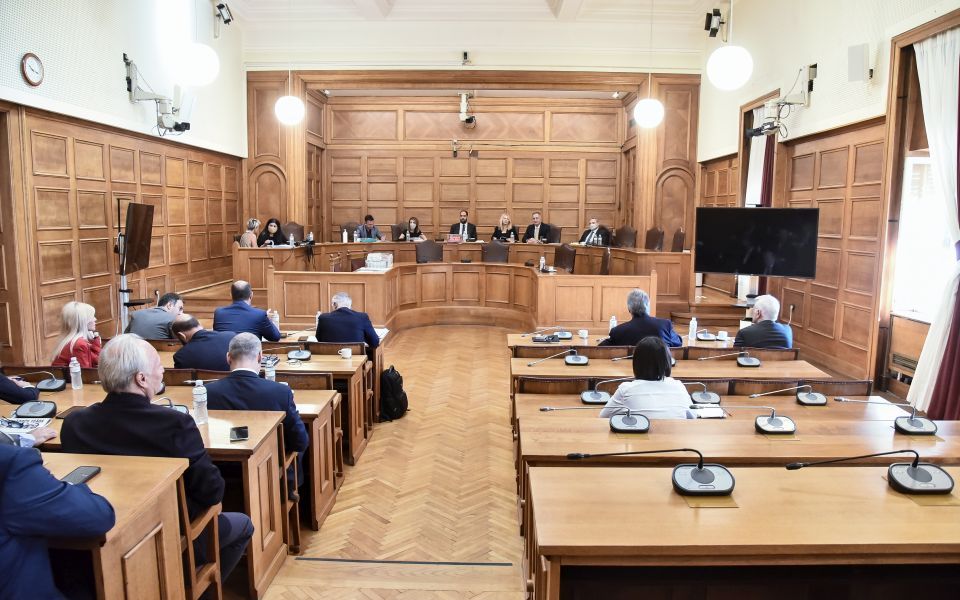
A parliamentary investigation committee formed to study the neutrality, operation, and funding of public media has transformed into a courtroom, where its sessions have been exploited by the committee's rapporteur, Charles Alonsi, to spread misleading information. These developments have ignited widespread debate in political and media circles, as many believe the committee has lost its neutrality and become a tool for political vendettas.
These events come at a sensitive time, as public media faces significant challenges regarding funding and neutrality. The committee was established as part of the government's efforts to ensure transparency and accountability in public media, but the results so far indicate the opposite.
Details of the Event
The parliamentary investigation committee was established earlier this year, aiming to assess how public media operates and is funded. However, the sessions quickly devolved into a platform for unproven accusations against certain media outlets. Many observers have noted that these actions reflect extreme political tactics aimed at undermining media independence.
During the committee's sessions, several journalists and media professionals were summoned to testify, but many expressed concerns that their testimonies could be selectively used to support a particular agenda. This charged atmosphere has led to a decline in trust in the committee and its stated objectives.
Background & Context
Historically, public media in many countries has faced challenges related to funding and neutrality. In recent years, political pressures on media outlets have increased, resulting in a deterioration of public trust in media institutions. In this context, the parliamentary investigation committee is seen as an important step, but the current outcomes raise concerns about the future of public media.
It is noteworthy that many European countries have experienced similar situations, where investigation committees were used as political tools for settling scores. This phenomenon is not new, but it raises questions about the media's ability to maintain its independence under political pressures.
Impact & Consequences
The repercussions of these events extend beyond the parliament, affecting public trust in the media. If the committee continues to employ dishonest methods, it may lead to further erosion of trust in public media, negatively impacting democracy and civil society.
Moreover, these conditions could increase societal divisions, as many individuals feel that the media no longer represents their voices. Under these circumstances, it becomes essential to enhance transparency and accountability in public media to restore trust.
Regional Significance
This issue is significant for the Arab region, where many countries face similar challenges regarding media freedom and independence. Amid political and social crises, media becomes a vital tool for communication and accountability, and any erosion of its independence could have serious repercussions for democracy.
Furthermore, European experiences can serve as lessons for Arab countries on how to handle public media. It is crucial for these nations to learn from past mistakes and strive to enhance neutrality and independence in media.
The ongoing events in parliament indicate the need to reconsider how investigation committees operate and ensure they are not used as political tools. Public media should be a platform that reflects diverse opinions and promotes democratic dialogue.