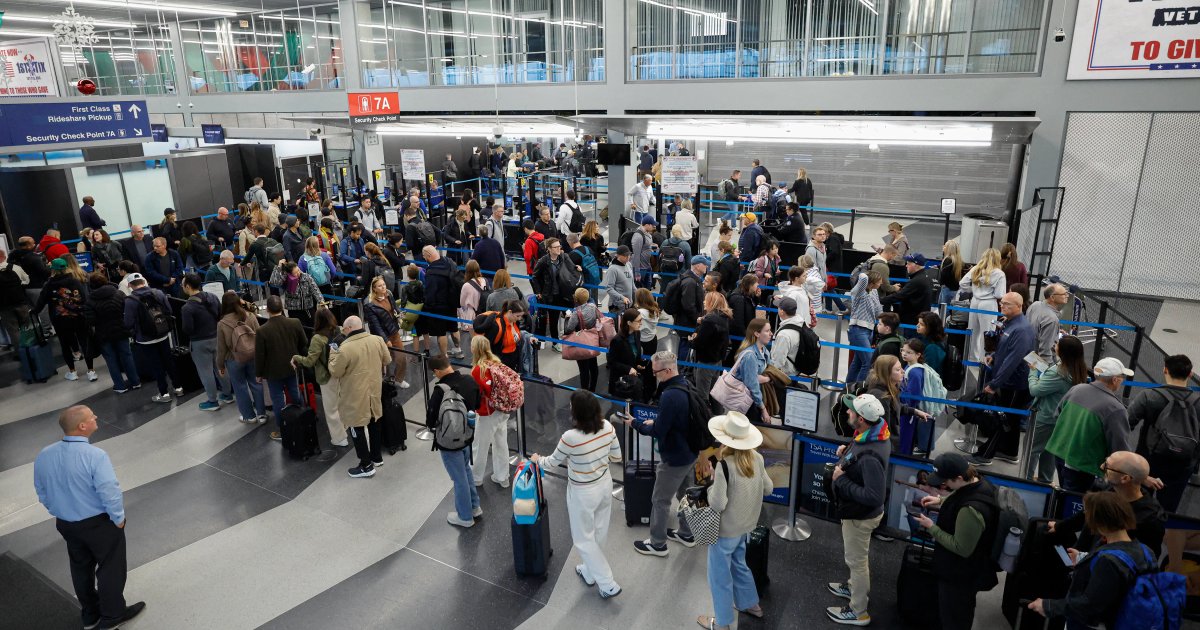
The partial shutdown of the U.S. government has resulted in noticeable delays in airport inspection procedures, with U.S. Immigration and Customs Enforcement (ICE) personnel seen handling the growing congestion. This shutdown, initiated due to political disputes over the budget, has directly affected passenger traffic at several U.S. airports.
Images circulated on social media show ICE personnel at airports, emphasizing the challenges authorities face in managing the flow of travelers. Many passengers have reported that wait times at inspection lines have become significantly longer than usual, increasing frustration among travelers.
Details of the Shutdown
The partial shutdown of the U.S. government, which began earlier this month, has impacted numerous government agencies, including the Department of Homeland Security. This has led to a reduction in the number of available staff working at airports, resulting in procedural delays. According to reports, some airports have experienced delays of up to two hours in inspection procedures.
Agencies directly affected include Immigration and Customs Enforcement, which plays a vital role in securing U.S. borders. As traveler numbers rise during the holiday season, the pressure on these agencies has increased, exacerbating the situation.
Background & Context
Historically, the United States has experienced several government shutdowns, often resulting from political disagreements between the two major parties. In recent years, government shutdowns have become more common, impacting public services and the economy overall. In this instance, the dispute over funding for the construction of a wall on the border with Mexico has been the central point of contention.
Immigration and Customs Enforcement is one of the agencies significantly affected during shutdown periods, as it relies on federal funding to operate its services. With rising political tensions, it appears that these agencies will continue to face substantial challenges in the future.
Impact & Consequences
The effects of the partial U.S. government shutdown extend beyond airport delays. These events also impact the U.S. economy, as delays at airports lead to lost revenue from tourism and travel. Furthermore, delays in inspection procedures can affect the reputation of the United States as a safe and reliable travel destination.
Moreover, the psychological effects on travelers can be significant, as many feel anxious and uncomfortable due to the delays. This may lead to a decrease in the number of travelers in the future, negatively impacting the aviation industry.
Regional Significance
For the Arab region, the partial shutdown of the U.S. government may affect trade and tourism relations with the United States. Many Arab countries rely on American tourism as a primary source of revenue, and any delays or decline in traveler numbers could impact local economies.
Additionally, political tensions in the United States may influence U.S. foreign policy towards Arab nations, increasing instability in the region.
In conclusion, the partial shutdown of the U.S. government is not merely a local event; it has far-reaching implications that affect the economy and public services, warranting attention from all stakeholders involved.