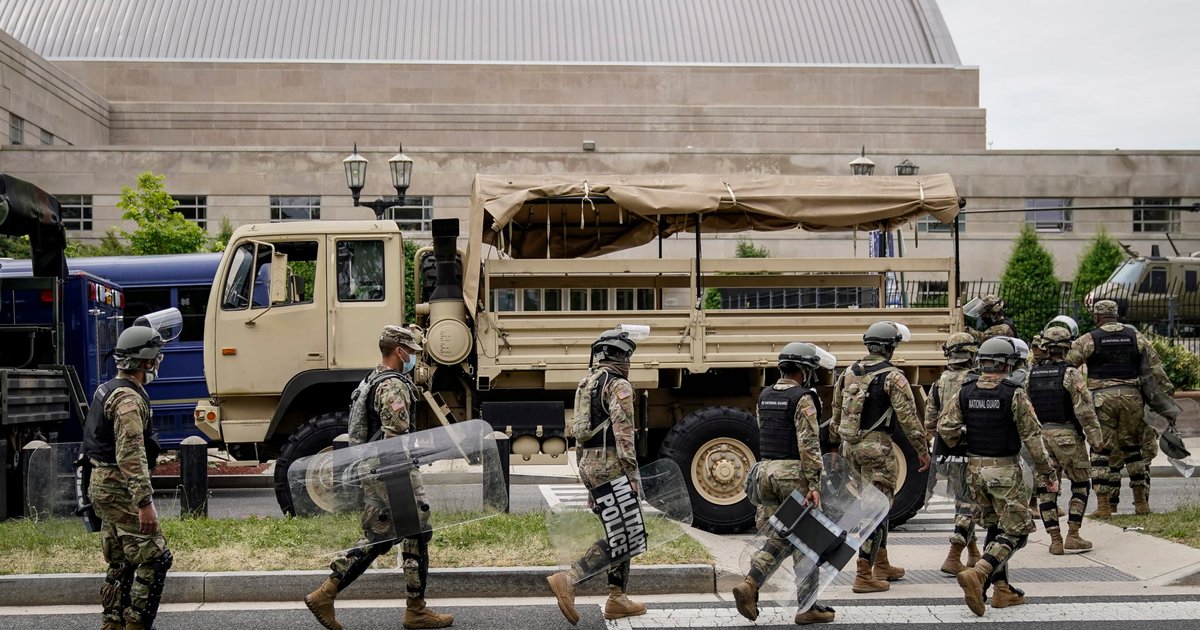
U.S. defense officials report that the Pentagon intends to deploy 3000 troops from the 82nd Airborne Division to the Middle East, reflecting rising tensions in the region. This decision comes amid increasing concerns over conflicts in several countries, necessitating a bolstered U.S. military presence.
These reinforcements are part of a broader strategy aimed at enhancing security and stability in the region, particularly in light of escalating tensions between the United States and Iran, alongside ongoing crises in Iraq and Syria.
Details of the Deployment
According to reports, the deployment of these forces is part of a comprehensive plan to address increasing security challenges. The soldiers are expected to be stationed at strategic locations to enhance rapid response capabilities in the event of any escalation. This move follows a series of military exercises conducted by the United States with its allies in the region, reflecting Washington's commitment to the security of its partners.
It is noteworthy that the 82nd Airborne Division is considered one of the most experienced military units in the U.S. Armed Forces, having participated in numerous military operations worldwide, making it a strategic choice to bolster the American presence in the Middle East.
Background & Context
Historically, the Middle East has witnessed multiple U.S. military interventions aimed at achieving stability and countering terrorist threats. However, these interventions have often been accompanied by political and security complexities, exacerbating crises in some countries.
In recent years, tensions between the United States and Iran have escalated, particularly following Washington's withdrawal from the nuclear agreement in 2018. This withdrawal led to increased economic sanctions on Iran, impacting regional stability and resulting in heightened military activities.
Impact & Consequences
The deployment of 3000 American troops to the Middle East could have significant implications for regional security. This action is likely to heighten tensions between the United States and Iran, and may provoke reactions from armed groups in the region that view the U.S. military presence as a threat to their security.
Additionally, this move could affect relations between the United States and its allies in the region, as it may be perceived as an unwanted intervention in the internal affairs of these countries. At the same time, these reinforcements may enhance the U.S. capability to respond quickly to any potential threats, potentially leading to temporary stability in certain areas.
Regional Significance
Considering the situation in Arab countries, the bolstering of the U.S. military presence could directly impact conditions in Iraq and Syria. In Iraq, where U.S. forces are already present, this may lead to an escalation of operations against armed groups opposing the American presence.
In Syria, the increase in troops could complicate political resolution efforts, as it may be seen as additional interference in a complex conflict. Other Arab countries may also find themselves compelled to reassess their security strategies in light of these developments.
In conclusion, the Pentagon's decision to send 3000 troops to the Middle East highlights the complexity of the situation in the region and reflects the ongoing challenges faced by the United States in its foreign policy. It remains to be seen how various parties will react to these developments and whether they will lead to further stability or escalation.