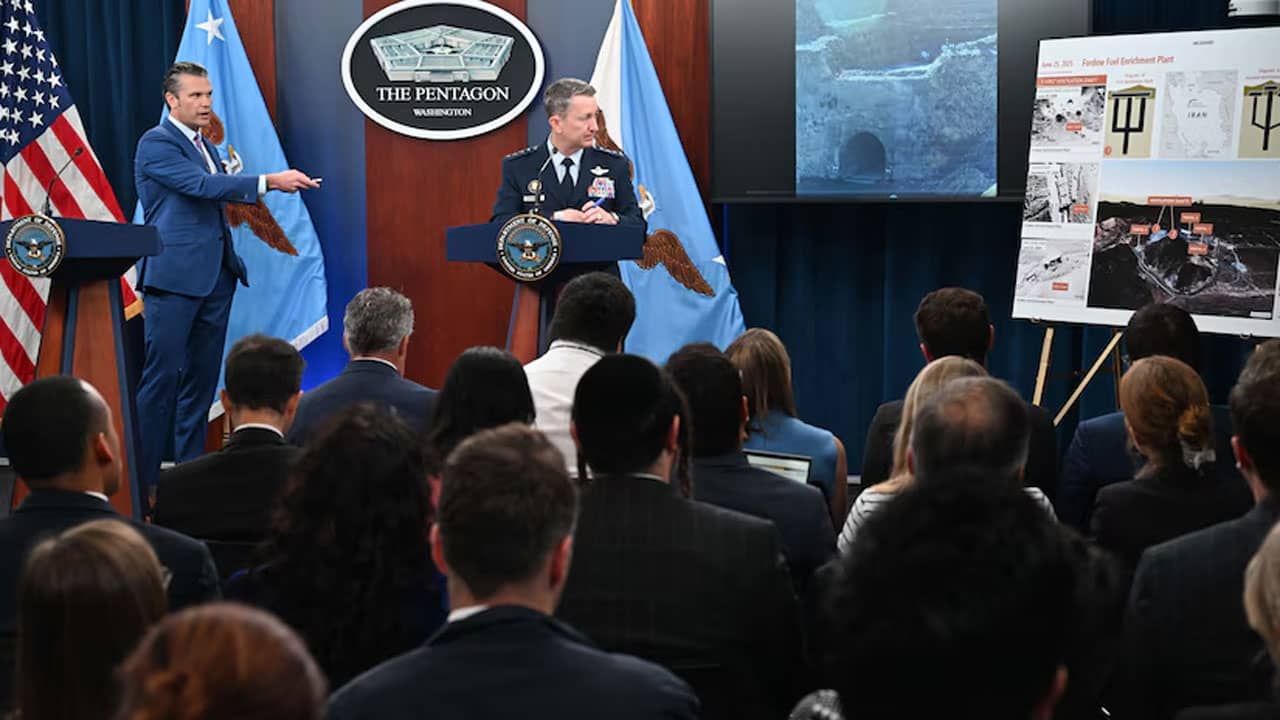
U.S. officials have disclosed that the Pentagon is working on military options to execute a 'final strike' against Iran. The proposed options may include the use of ground forces and a wide-ranging bombing campaign, according to sources familiar with the matter.
This move comes at a time when tensions between the United States and Iran are rising, as Washington seeks to counter Iranian military activities in the region. Officials have indicated that these options are still under consideration, and the final decision will depend on developments in the area.
Details of the Military Options
Reports indicate that the Pentagon is evaluating a range of military scenarios that could lead to military operations against Iran. These scenarios include the deployment of ground forces, marking a significant escalation in U.S. policy towards Tehran. The planning also encompasses intensive bombing campaigns targeting Iranian military facilities.
U.S. officials have confirmed that these options are part of a broader strategy aimed at deterring Iran from continuing activities that Washington considers a threat to regional and international security. It is expected that these options will be assessed based on Iranian reactions and any military movements Tehran may undertake in the near future.
Background & Context
Historically, U.S.-Iran relations have experienced increasing tensions since Washington's withdrawal from the Iranian nuclear deal in 2018. Since then, the United States has imposed severe economic sanctions on Iran, exacerbating the country's economic and political conditions.
In response, Iran has intensified its nuclear program and expanded its influence in the region, raising concerns among the U.S. and its allies in the Middle East. Recent years have seen an escalation in Iranian military activities, including attacks on commercial vessels in the Arabian Gulf and targeting U.S. military bases.
Impact & Consequences
If these military options are executed, they could lead to a significant escalation in the conflict between the United States and Iran, threatening stability in the Middle East. Any military operations are likely to provoke strong reactions from Iran, including retaliatory attacks on U.S. forces or its allies in the region.
Moreover, military escalation could impact global oil prices, as any tension in the Arabian Gulf could lead to significant price hikes. Additionally, any military intervention could result in a refugee influx and increased sectarian tensions in neighboring countries.
Regional Significance
Arab countries neighboring Iran, such as Iraq, Syria, and Lebanon, find themselves in a sensitive position regarding any potential military escalation. These nations could be directly affected by military operations, whether through refugee flows or heightened sectarian tensions.
Arab nations closely allied with the United States, such as Saudi Arabia and the United Arab Emirates, may find themselves in a difficult position, needing to balance support for their American ally while maintaining regional stability.
In conclusion, the situation in the region remains complex and requires effective diplomacy to avoid military escalation. The military options being considered by the Pentagon could have far-reaching implications for regional and international security.