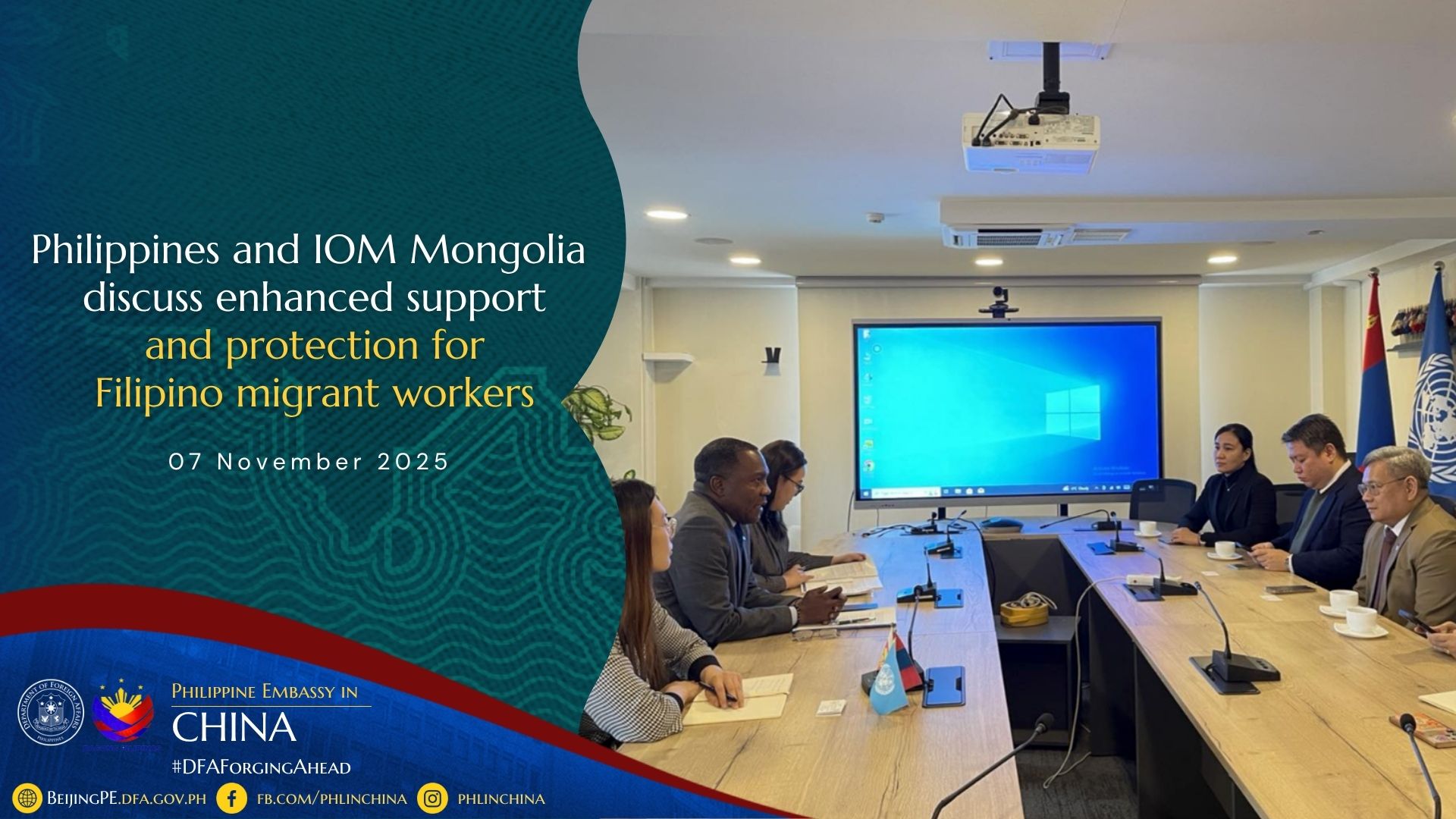
The Philippine government has announced a series of new measures aimed at enhancing the protection of migrant workers as part of its preparations for the upcoming international meeting organized by the United Nations on labor rights. This step comes at a time when the number of Filipinos working abroad is increasing, with migrant workers considered a crucial part of the Philippine economy.
The new measures include strengthening laws that protect workers' rights and providing legal support for them in the countries where they work. The government will also enhance cooperation with host countries of Filipino workers to ensure a safe and suitable working environment for them.
Details of the Initiative
The Philippines is striving to improve working conditions for migrant workers, who are an important source of national revenue. In 2022, overseas Filipino workers sent approximately $35 billion back home, significantly contributing to the local economy. However, many of these workers face significant challenges, including exploitation and poor working conditions.
As part of these efforts, the Philippine government has announced the establishment of new offices in countries with large numbers of Filipino workers, such as Saudi Arabia and the United Arab Emirates. These offices will provide support and assistance to workers, including legal advice and help in resolving disputes.
Background & Context
Historically, the Philippines has been one of the countries that heavily relies on migrant labor. Since the 1980s, Filipinos have sought job opportunities abroad, leading to the establishment of a comprehensive system for their employment and protection. With the increasing number of migrant workers, the need to enhance their rights and protection has become more urgent.
In recent years, the Philippines has witnessed several unfortunate incidents where migrant workers have faced exploitation or abuse. These incidents have sparked strong reactions from the government and civil society, prompting authorities to take serious steps to improve the situation.
Impact & Consequences
These new measures are seen as a positive step towards improving the rights of migrant workers and may significantly impact relations between the Philippines and the host countries. It is expected that these steps will enhance the Philippines' reputation as a source of skilled labor, potentially leading to increased demand for Filipino workers in global markets.
Moreover, strengthening the protection of migrant workers may encourage more Filipinos to seek job opportunities abroad, contributing to the national economy through increased remittances.
Regional Significance
The Gulf Cooperation Council (GCC) countries are among the primary destinations for Filipino workers, with many employed in construction and service sectors. Improving the rights of these workers in the Philippines may influence employment policies in Gulf countries, where companies may be required to adhere to higher standards for protecting workers' rights.
Additionally, enhancing cooperation between the Philippines and Gulf countries in the area of worker protection can contribute to improving bilateral relations, benefiting all parties involved.