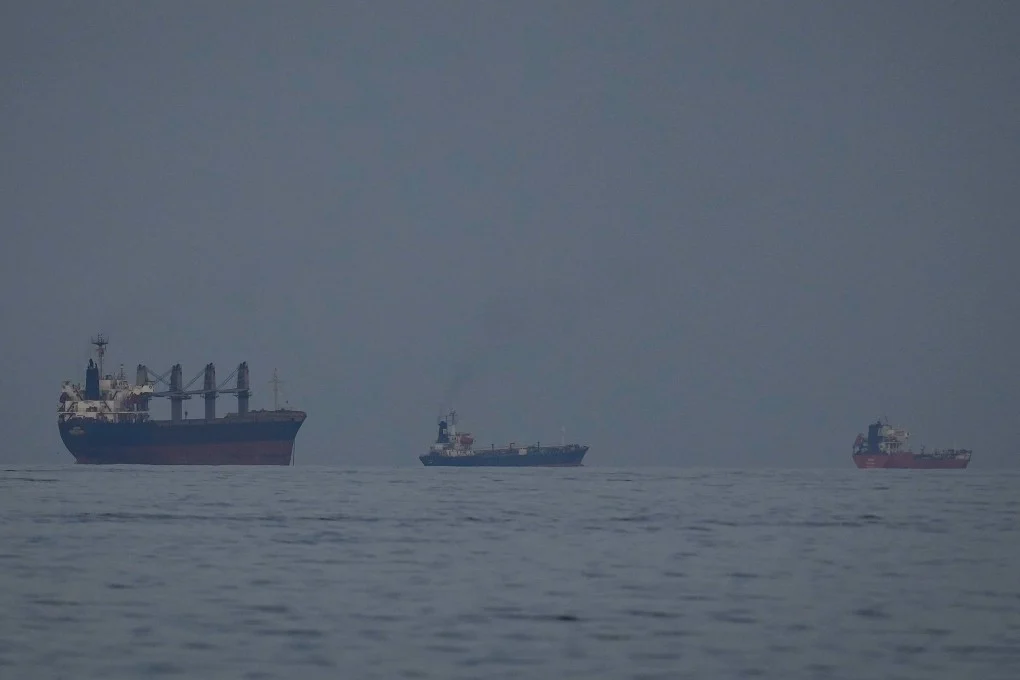
The Philippines is seeking to secure the passage of its ships through the Strait of Hormuz by engaging in talks with Iran, a move deemed essential amid the ongoing energy crisis. The Philippine Foreign Minister Teresa Lazaro met with Iranian Ambassador Yousef Ismailzadeh to discuss ways to enhance energy cooperation and strengthen bilateral relations between the two countries.
This meeting comes at a time when the Philippines is grappling with a growing energy crisis, heavily reliant on oil and gas imports. The Philippine Foreign Minister emphasized that securing the passage of ships through the Strait of Hormuz is vital for ensuring the stability of the country's energy supplies.
Event Details
As part of efforts to enhance bilateral cooperation, Teresa Lazaro discussed with Yousef Ismailzadeh the importance of securing the passage of Philippine ships through the Strait of Hormuz, one of the world's most critical waterways. This strait is a vital transit point for oil and natural gas, with a significant percentage of global energy supplies passing through it.
The meeting also touched upon the possibility of enhancing cooperation in other areas such as trade and investment, reflecting the Philippines' desire to expand its relations with Iran amid the challenging economic circumstances it faces.
Background & Context
Historically, the Strait of Hormuz has witnessed numerous tensions due to regional and political disputes, impacting maritime navigation. Iran is one of the key countries controlling this waterway, making dialogue with it essential for countries relying on energy supplies through the strait.
In recent years, many Southeast Asian countries, including the Philippines, have sought to strengthen their relations with Iran, especially in light of global economic challenges. Political crises in the region have further increased the importance of these relationships.
Impact & Consequences
The talks between the Philippines and Iran could lead to improved bilateral relations and enhanced cooperation in the energy sector, potentially contributing to the stability of energy supplies in the Philippines. This cooperation may also open up new investment opportunities between the two countries.
However, any progress in these talks depends on the political situation in the region, as tensions remain between Iran and Western countries, which could affect economic and political relations.
Regional Significance
This move by the Philippines serves as an indicator of the importance of the Strait of Hormuz as a link between Asian countries and Iran. These new relationships may influence energy dynamics in the region, as Arab countries seek to secure their energy supplies amid global challenges.
In conclusion, the Philippines' talks with Iran represent a strategic step aimed at securing its national interests in the energy sector, reflecting the importance of regional cooperation in facing global challenges.