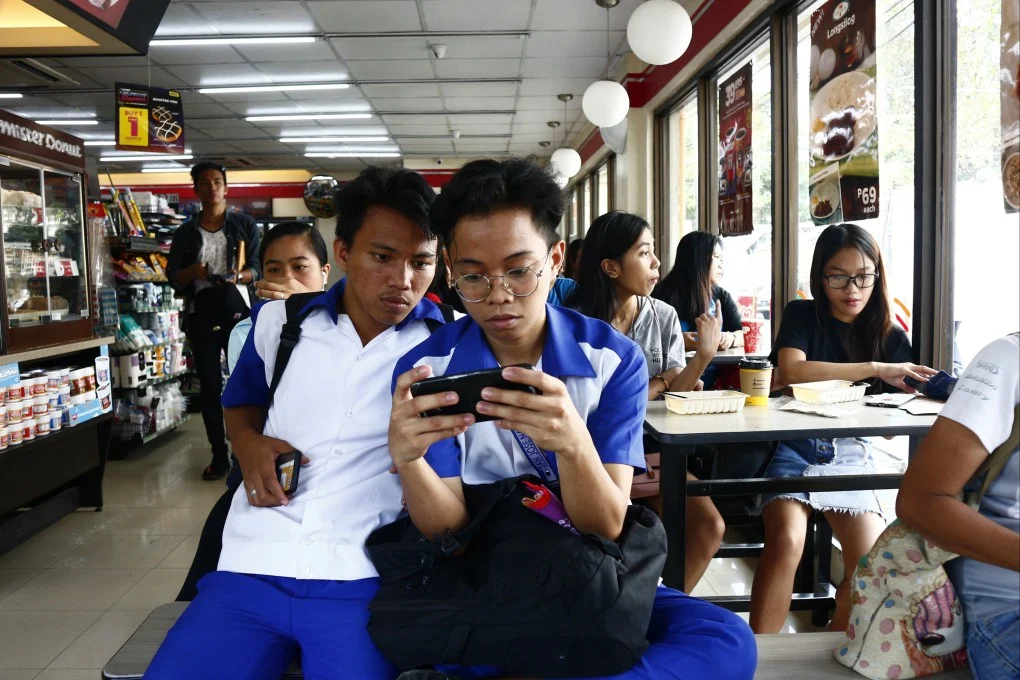
The Philippines is currently exploring the possibility of imposing a ban on social media use by minors, as part of increasing international efforts to safeguard youth from potential risks. Filipino Senator Sherwin Gatchalian has called for legislation to limit minors' access to these platforms, just days after Indonesia began implementing a ban on the use of "high-risk" platforms by individuals under the age of sixteen.
This discussion comes at a time when concerns are rising about the impact of social media on the mental health and social behaviors of teenagers. Multiple studies have shown that excessive exposure to these platforms can lead to issues such as depression and anxiety, as well as exposure to inappropriate content.
Details of the Proposed Legislation
In an unprecedented move, Gatchalian indicated that the proposed legislation aims to protect children from the dangers they may encounter online. This proposal comes as governments worldwide face increasing pressure to address the impact of social media on youth. Indonesia, which has taken the lead in this area, has shown significant interest in protecting minors from the risks associated with using these platforms.
However, many experts warn that merely banning access may not be sufficient. They point out that the design of these platforms itself has flaws that make them unsafe for children, such as the lack of effective age verification mechanisms or tools to limit harmful content.
Background & Context
Historically, the Philippines has seen a significant increase in social media usage, becoming one of the countries with the highest usage rates of these platforms in the world. However, this increased usage has also been accompanied by a rise in cases of cyberbullying and mental health issues among youth. These issues have prompted governments to reconsider how to regulate the use of these platforms.
In recent years, several countries have begun to take similar steps, with Australia and Indonesia imposing restrictions on social media use by minors. These moves reflect a growing global concern about the impact of technology on youth.
Impact & Consequences
If this ban is implemented in the Philippines, it could have a significant impact on how young people use social media. It may reduce exposure to harmful content, but it could also raise questions about freedom of expression and children's rights to access information. There are also concerns that the ban may drive youth to seek illegal ways to access these platforms.
Furthermore, this decision could affect companies that rely on digital advertising, which heavily targets the young audience. Therefore, there is a need to balance protecting youth while ensuring the rights of businesses.
Regional Significance
This issue is particularly significant for the Arab region, where many young people face similar challenges in using social media. With rising internet usage rates among Arab youth, the risks associated with these platforms require an effective response from governments. The experiences of the Philippines and Indonesia could serve as a model for the region.
In conclusion, the issue of banning social media for minors in the Philippines emerges as an important step towards protecting youth, but it requires comprehensive strategies that address the underlying issues related to the design of the platforms themselves.