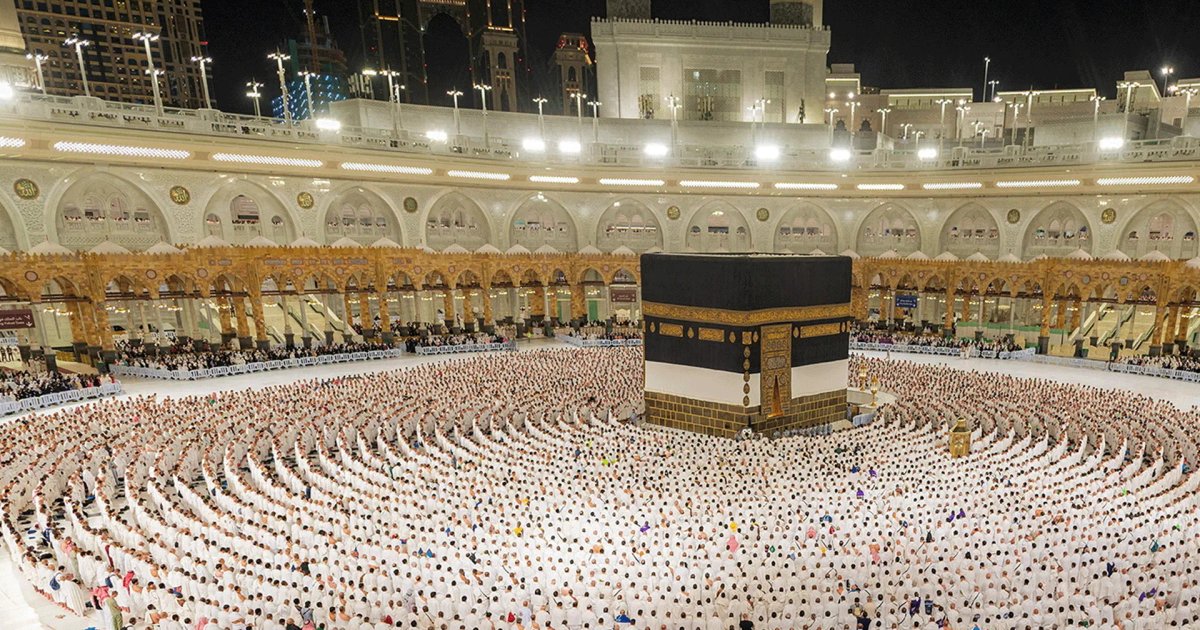
Pilgrims at the Sacred House of God continue their rituals in Mina, where they are throwing stones on the first day of Tashreeq. Simultaneously, groups of pilgrims are heading to the Grand Mosque to perform the Tawaf of Ifadah.
The organization of the crowds faces significant logistical challenges, as the area of Mina is approximately 8 square kilometers. The number of pilgrims this year is estimated to exceed 1.7 million, necessitating intensified efforts to ensure their safety and comfort.
Event Details
The organizing authorities are implementing a precise crowd management mechanism that takes into account weather conditions. Authorities have noted a significant decrease in the number of pilgrims during the afternoon, prioritizing their safety from high temperatures that can reach uncomfortable levels.
The capacity of the Jamarat Bridge is 300,000 pilgrims per hour, which requires high coordination among various concerned entities. These efforts contribute to reducing congestion and ensuring the rituals proceed smoothly.
Background & Context
Historically, the Hajj season is one of the largest human gatherings in the world, with Muslims from all over the globe converging to perform this religious duty. In recent years, there has been a noticeable improvement in crowd management, which has helped reduce incidents and ensure the safety of the pilgrims.
This massive event requires coordination among several governmental and security entities, in addition to emergency and medical services. These efforts are part of Saudi Arabia's vision to enhance Hajj and Umrah services.
Impact & Consequences
The organization of Hajj directly impacts Saudi Arabia's image in the Islamic world, reflecting its ability to host such a significant event. The success of Hajj enhances the Kingdom's status as a global religious destination.
These events also contribute to boosting the local economy, as many sectors benefit from the influx of pilgrims, including tourism, logistics, and trade.
Regional Significance
The Hajj represents a symbol of Islamic unity, as Muslims from various countries and cultures gather in one place. This gathering strengthens the ties between Arab and Islamic peoples, contributing to the promotion of peace and understanding.
Moreover, the successful organization of Hajj can serve as a model for organizing major events in the region, reflecting the capability of Arab countries to host global events.
In conclusion, the Hajj season remains a distinctive event that unites Muslims from around the world, reflecting the spirit of cooperation and solidarity among them. With ongoing organizational efforts, there is hope for a safe and fruitful Hajj season.