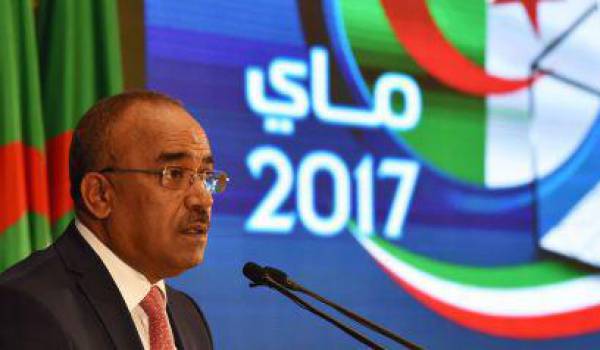
Algeria is gearing up for new legislative elections on July 2, placing political parties in a challenging position. The call for the electoral body, issued last Sunday, has compelled many of these parties to gather the required signatures to prepare their electoral lists, especially those that boycotted the previous elections in 2021.
Following the issuance of the decree calling for the electoral body, the National Independent Authority for Elections began taking necessary measures to ensure the electoral process runs smoothly. This requires political parties to be ready to submit their lists on time, adding extra pressure on those that did not participate in the last elections.
Details of the Event
Political parties in Algeria are racing to collect the required signatures, with each party needing to gather a specific number of signatures from registered voters. This process is vital to ensure the representation of parties in the upcoming parliament. While some parties are striving to regain voters' trust, concerns remain about their ability to achieve this under the current circumstances.
Responses among the parties vary, with some political forces actively promoting their presence through vigorous campaigns, while others struggle to attract voters. These dynamics reflect a long-standing state of political instability in the country.
Background & Context
The upcoming legislative elections are part of a broader political process in Algeria, where the government seeks to rebuild trust with citizens after years of popular protests. In 2019, Algeria witnessed a significant popular movement against the regime, leading to the resignation of former President Abdelaziz Bouteflika.
Since then, the government has been working on political reforms, yet significant challenges remain. Many parties boycotted the previous elections, resulting in a parliament that is poorly representative of various segments of society.
Impact & Consequences
If parties manage to collect the necessary signatures, it could enhance political participation in the country. However, failure to do so may exacerbate citizens' frustration, negatively impacting political stability.
Concerns are growing that the elections may not reflect the true will of voters, especially if parties continue to face difficulties in reaching their audience. This situation could undermine the legitimacy of the upcoming parliament and increase political tensions.
Regional Significance
The Algerian elections serve as an important model in the Arab context, reflecting the challenges many countries in the region face in their pursuit of democracy. Political changes in Algeria could influence neighboring countries, potentially inspiring popular movements or leading to further divisions.
As other Arab nations monitor developments in Algeria, there remains hope that these elections will be a step towards achieving political stability and economic development.
In conclusion, the upcoming legislative elections in Algeria are under close scrutiny, as citizens look for real change in the political landscape. The success of parties in gathering signatures and achieving effective representation could open new horizons for the country.