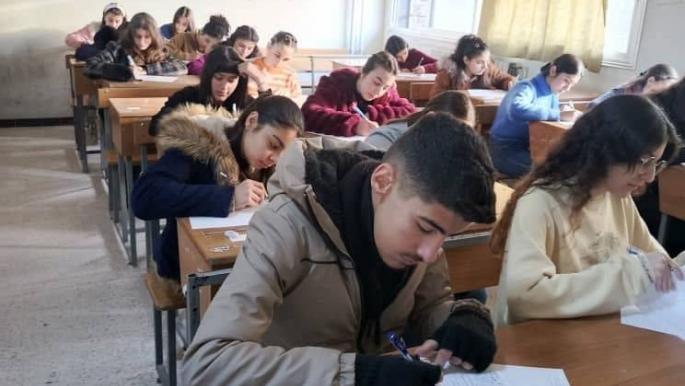
Concerns are rising in Sweida, southern Syria, as official exam dates approach. Students are facing the repercussions of political conflicts that impact their educational process. Students in areas controlled by the 'National Guard' find themselves victims of political tensions that affect their academic future.
Attention is turning to how the official exams will be organized under these complex circumstances. Questions have been raised about the ability of the relevant authorities to secure a suitable educational environment, especially amidst ongoing tensions. While students strive to prepare for the exams, fears remain regarding the possibility of postponement or changes to the exam schedules.
Details of the Situation
The official exams coincide with escalating political tensions in the region, where local interests intertwine with political agendas. Some observers have noted that these tensions could lead to negative impacts on the educational process, increasing the suffering of students who are striving for a better future.
The official exams in Syria cover a variety of subjects, including mathematics, sciences, and Arabic language. However, the current conditions may affect the academic performance of students, raising concerns among parents and teachers alike.
Background & Context
Historically, Sweida has faced numerous educational challenges, particularly amid the political and economic crises plaguing the country. This province, known for its cultural and religious diversity, has suffered from a lack of educational resources and funding, negatively impacting the quality of education.
It is noteworthy that the situation in Sweida is not unique; it reflects a broader picture of the crises facing education in Syria as a whole. In recent years, there has been a deterioration in educational infrastructure, complicating matters further for students.
Impact & Consequences
If political tensions continue to affect the official exams, it could lead to serious repercussions for students' futures. Many may face a loss of educational opportunities, adversely affecting their professional prospects.
Moreover, the negative impacts on education could lead to increased dropout rates, exacerbating social and economic crises in the region. Education is a fundamental factor in building a sustainable future, so any decline in this area could have far-reaching effects.
Regional Significance
The issue of education in Syria exemplifies the challenges faced by many Arab countries amid political and economic crises. Quality education is the foundation of sustainable development, and any regression in this area can affect social and economic stability in the region.
As Arab countries strive to improve their educational systems, the situation in Syria highlights the urgent need for support in education and the provision of a safe and stable learning environment. Strengthening education in Syria can contribute to building a better future for the next generation, positively impacting the entire region.
In conclusion, the issue of official exams in Sweida remains a significant concern, requiring the current situation to unite the efforts of all stakeholders to ensure a better future for students amid challenging circumstances.