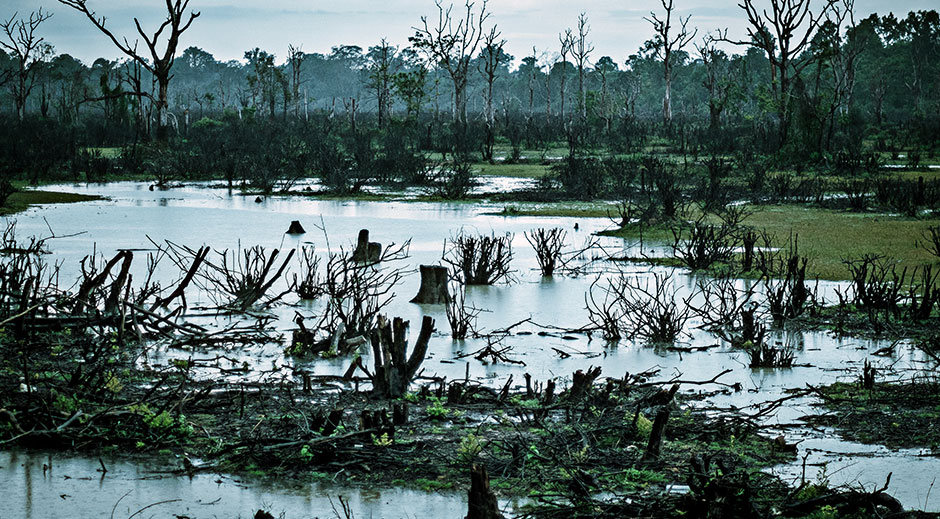
Reports from the U.S. Environmental Protection Agency (EPA) have revealed that many of the most polluted sites in the United States are facing increasing risks from flooding and wildfires. These sites, which contain toxic materials, may experience negative impacts due to accelerating climate changes.
The report indicates that these sites are not only threatened by pollution but have also become vulnerable to natural hazards such as flooding from heavy rainfall and increasingly fierce wildfires. These risks reflect the environmental challenges the country faces amid climate change.
Details of the Findings
The EPA report highlights 1,300 polluted sites across the United States, with 60% of them located in flood-prone areas. The data also showed that these sites are situated in diverse geographical regions, complicating pollution control efforts.
Moreover, reports indicated that 25% of these sites are in areas at risk of wildfires, increasing the danger of toxic materials spreading into the surrounding environment. This data raises significant concerns about the safety of local communities and the environment.
Background & Context
Historically, the United States has faced substantial challenges in managing polluted sites, many of which were established in earlier periods without consideration for environmental risks. As environmental awareness has grown, the U.S. government has begun taking steps to improve the management of these sites, but climate change adds a new layer of complexity.
These sites are part of the Superfund program, which aims to clean up contaminated locations. However, the new challenges associated with climate change require innovative and effective strategies to address the increasing risks.
Impact & Consequences
Reports indicate that flooding and wildfires pose not only a threat to the environment but also to human health. The toxic materials that may spread as a result of these natural disasters can affect air and water quality, increasing the risks of diseases.
Furthermore, these risks could lead to increased economic costs, as cleaning up polluted sites requires significant financial resources. The negative impacts on public health may also place additional burdens on the healthcare system.
Regional Significance
Although this report pertains to the United States, the environmental risks posed by climate change represent a global challenge. Arab countries, which face similar environmental challenges, could benefit from the lessons learned from this report.
The Arab region is susceptible to flooding and wildfires, especially in light of climate changes. Therefore, enhancing environmental risk management strategies will be vital for safeguarding community health and the environment.