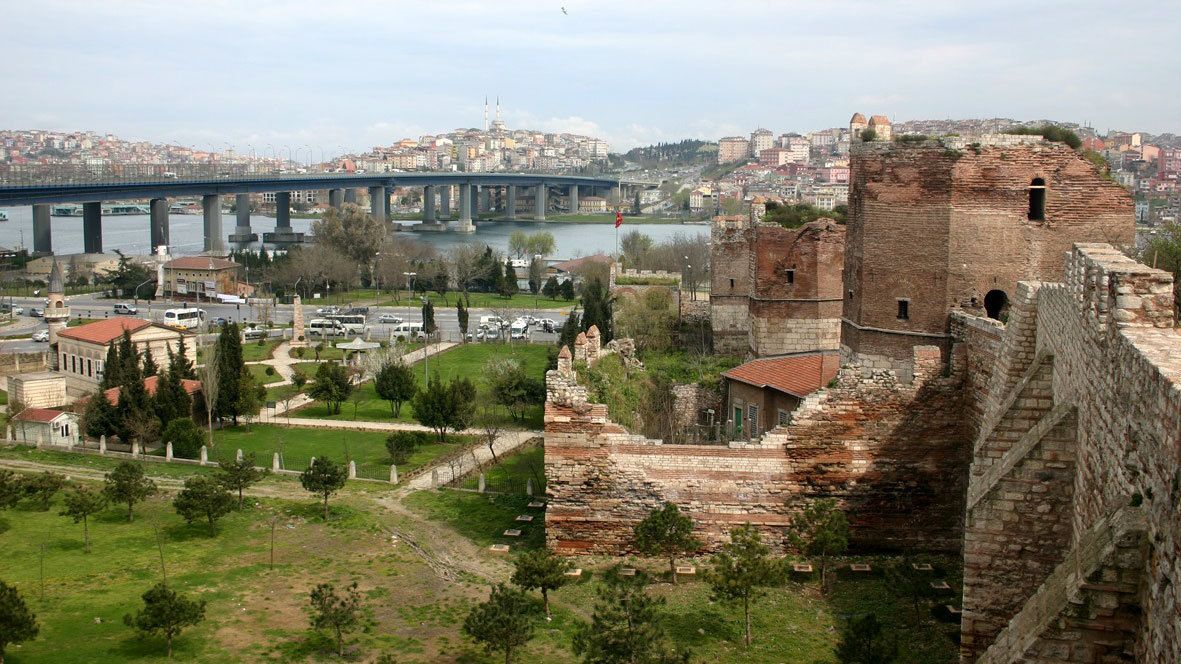
The Pope has commenced his first foreign tour with a visit to the seat of Constantinople, where he aims to enhance relations between the Catholic Church and the Orthodox Church. This visit is part of the Pope's efforts to promote dialogue among various Christian denominations, especially in light of the challenges facing churches worldwide.
This visit marks a significant milestone in the history of relations between the two churches, as the Pope seeks to build bridges of communication and understanding. The visit is expected to include meetings with leaders of the Orthodox Church, as well as discussions on common issues and the challenges facing Christians globally.
Event Details
During his visit, the Pope will meet with Ecumenical Patriarch Bartholomew I, who is considered one of the most prominent figures in the Orthodox Church. The meeting will address issues related to Christian unity, as well as the social and political challenges facing Christian communities in the Middle East.
The Pope will also visit important historical and religious landmarks in Constantinople, reflecting the significance of this city in the history of Christianity. This visit comes after a period of tensions among different denominations, making it an important step toward fostering peace and unity.
Background & Context
Historically, Constantinople has been a vital center for Christianity, regarded as the capital of the Byzantine Empire. Following the Great Schism between the Western and Eastern Churches in the 11th century, relations between the two churches deteriorated significantly. However, recent years have seen increasing attempts to rebuild these relations.
The Pope's visit comes at a critical time, as churches face significant challenges such as persecution, migration, and social changes. This visit reflects the Pope's commitment to working towards Christian unity and promoting dialogue among different cultures.
Impact & Consequences
This visit is considered an important step toward enhancing relations between the two churches and may contribute to improving the social situation for Christians in conflict areas. It could raise awareness of the issues facing Christian communities, potentially supporting peace efforts.
Moreover, this visit may open new avenues for cooperation between churches in areas such as education, social care, and humanitarian aid. Strengthening relations between the two churches could help build a more tolerant and understanding society.
Regional Significance
The Pope's visit to Constantinople holds particular importance for the Arab region, as it reflects efforts to promote unity among Christian denominations. Amid the crises facing Christian communities in the Middle East, this visit could enhance dialogue and understanding among various denominations.
Additionally, this visit may inspire church leaders in the region to work together to address common challenges, thereby enhancing opportunities for peace and stability in diverse communities.
The Pope's visit to the seat of Constantinople represents a historic step toward strengthening unity among churches and opens new horizons for cooperation in facing common challenges.