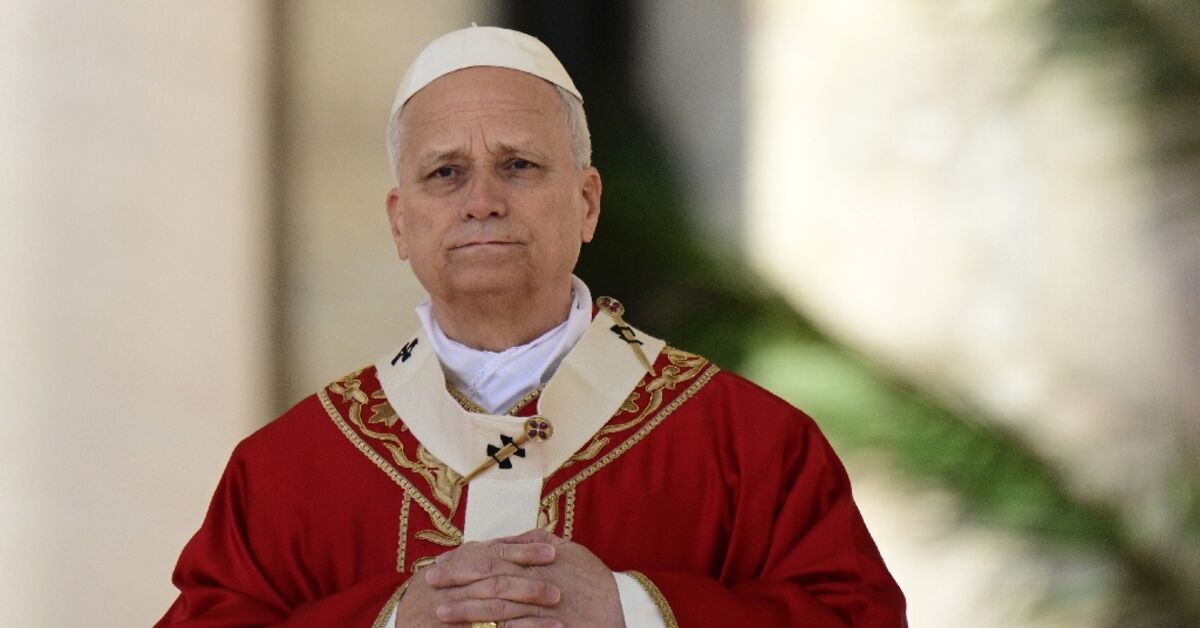
Pope Leo XIV is preparing to celebrate Easter for the first time as the Supreme Pontiff, a year after the death of his predecessor, amidst increasing concerns among Christians due to the ongoing war in the Middle East. The Holy Week commenced with clashes in the Holy Land, where the Latin Patriarch of Jerusalem, Italian Cardinal Pierbattista Pizzaballa, was barred from entering the Church of the Holy Sepulchre by Israeli authorities, an event he described as unprecedented in centuries.
In his statements on Tuesday, Pope Leo expressed hope that former U.S. President Donald Trump would play a role in fostering peace in the region. The Pope's call for peace comes at a time when the Christian community feels increasingly threatened by the violence and instability that have characterized the Middle East for decades. His remarks were aimed at encouraging dialogue and reconciliation among different faiths.
Current Tensions in the Holy Land
The recent incidents in the Holy Land highlight the fragile situation that Christians face during significant religious observances. The denial of access to the Church of the Holy Sepulchre, a site of immense importance for Christians, underscores the challenges posed by the ongoing conflict. This year, the Holy Week has been marred by violence, raising fears among the Christian community about their safety and freedom to worship.
Moreover, the situation is exacerbated by the broader geopolitical tensions in the region, where various factions are engaged in conflict. The Pope's upcoming Easter celebration is not just a religious event but also a significant moment for the Christian community to reflect on their place in a tumultuous environment.
Background & Context
The conflict in the Middle East has a long and complex history, which directly impacts the Christian communities residing there. For centuries, Christians have coexisted with other religious groups in the region, but recent escalations in violence have threatened their existence. The ongoing war has led to a decline in the Christian population, with many fleeing to safer areas.
The Latin Patriarchate has been a crucial institution for Christians in the Holy Land, providing spiritual leadership and support. However, the recent restrictions imposed by authorities have raised alarms about the future of Christian worship and presence in the region. The Pope's leadership is vital in advocating for the rights and freedoms of Christians in the Middle East.
Impact & Consequences
The Pope's Easter message is expected to resonate beyond the Christian community, appealing to a broader audience for peace and understanding. His calls for an end to violence reflect the anxieties of many who fear for their safety and the survival of their communities. The repercussions of the ongoing conflict extend beyond religious boundaries, affecting the social fabric of the region.
As the Pope prepares for the Easter celebrations, the hope is that his message will inspire action towards peace. The international community is watching closely, and there is a growing recognition of the need for dialogue among different faiths to foster a more peaceful coexistence.
Regional Significance
The significance of the Pope's Easter celebration goes beyond the religious observance; it serves as a reminder of the ongoing struggles faced by Christians in the Middle East. The Pope's role as a spiritual leader is critical in advocating for peace and understanding among different religious communities. His presence and messages can help bridge divides and promote a culture of dialogue.
In conclusion, as Pope Leo XIV celebrates Easter, the world will be attentive to his words and actions. The hope is that his leadership will not only bring comfort to the Christian community but also inspire efforts towards lasting peace in a region fraught with conflict.