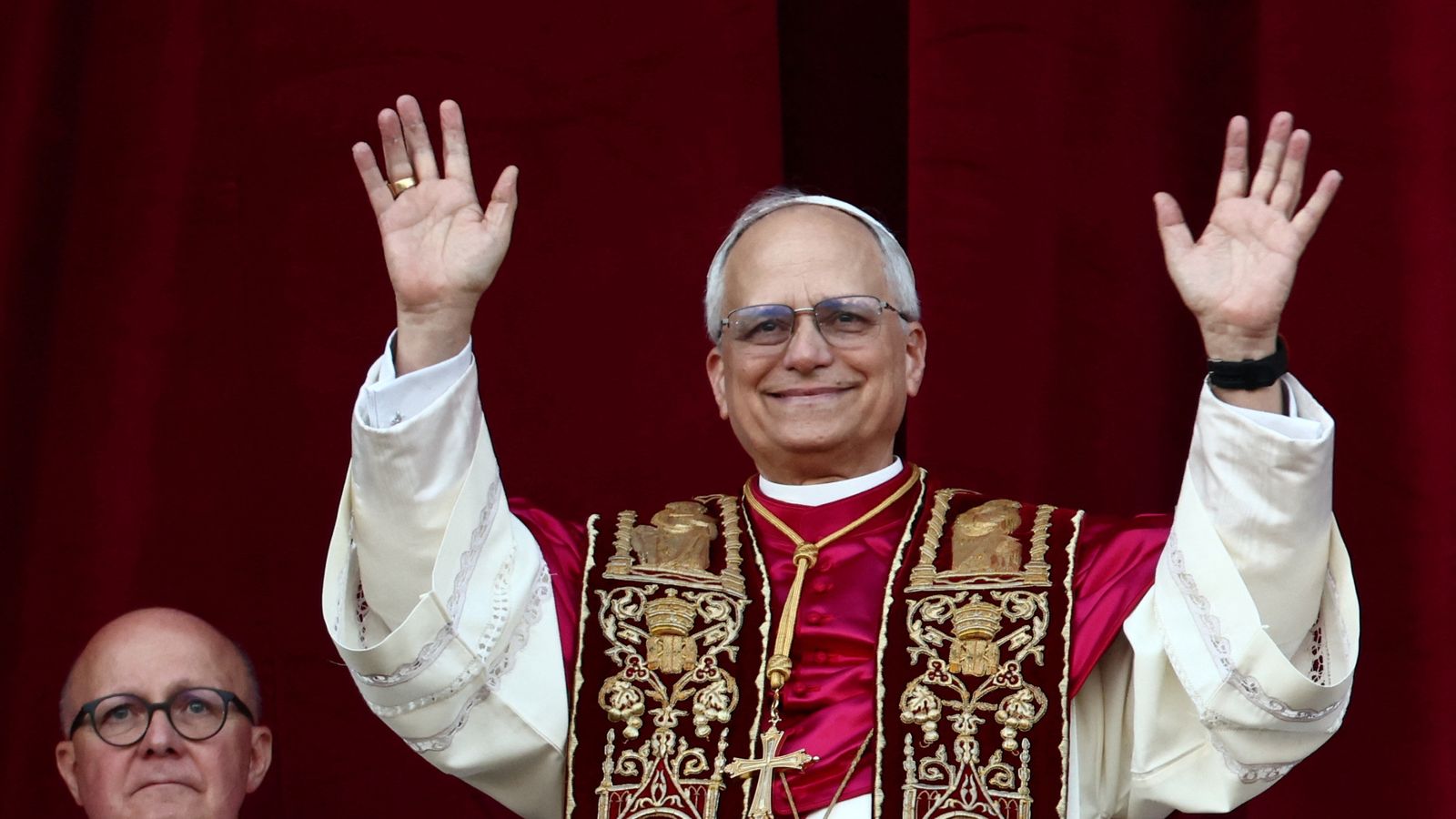
Pope Leo XIV, during his visit to Monaco, condemned the notion of absolute power that harms the world and threatens peace. This statement was made in a speech delivered to the residents of Monaco, where he emphasized the necessity of considering each individual's role in society and the world at large.
In his address, the Pope stated, "Life here is considered a privilege for some, but it is also a call to reflect on our place in this world." These remarks come at a time when the world is witnessing a rise in conflicts and disputes, making his call for peace and cooperation more crucial than ever.
Event Details
Pope Leo XIV's visit to Monaco is part of a tour that includes several European countries, aiming to promote his message of peace and tolerance. Monaco, regarded as one of the wealthiest countries in the world, witnessed a large gathering of citizens who listened to his speech.
The Pope, seen as a symbol of peace, used this occasion to highlight global challenges, including poverty and wars, calling for necessary cooperation among nations to achieve peace and stability. He pointed out that the notion of absolute power only leads to more harm and suffering.
Background & Context
Historically, Monaco has always been a center of culture and economy, but it is also seen as a symbol of social inequality. In recent years, the region has undergone significant changes in its demographic and economic structure, widening the gap between the rich and the poor. These social dynamics reflect the challenges faced by many countries around the world today.
In this context, the Pope's statements shed light on the importance of contemplating social justice and how each individual can contribute to improving the global situation. His call for reflection on our place in the world invites everyone, regardless of their backgrounds, to think about how to improve conditions for others.
Impact & Consequences
Pope Leo XIV's statements could significantly influence discussions about social justice and peace worldwide. Amid rising conflicts and disputes, his call for cooperation and reflection on each individual's role may help stimulate efforts aimed at achieving peace.
Moreover, these statements could inspire political and religious leaders around the world to work on promoting values of tolerance and cooperation. The Pope's influence as a spiritual leader can play a significant role in shaping public opinion and advancing social issues.
Regional Significance
In the Arab region, where many countries suffer from conflicts and disputes, the Pope's call for reflection on peace and cooperation comes as an important message. The situations in many Arab countries, such as Syria and Yemen, reflect the urgent need to achieve peace and stability.
The Pope's invitation to contemplate each individual's role in society can inspire Arab youth to work for positive change. Additionally, the message he carries about the importance of peace and tolerance aligns with the humanitarian values that many strive to achieve in the region.
In conclusion, Pope Leo XIV's call to reflect on the notion of absolute power and the role of each individual in the world is an urgent appeal that requires a global response. Achieving peace necessitates collective efforts from everyone, whether they are leaders or citizens.