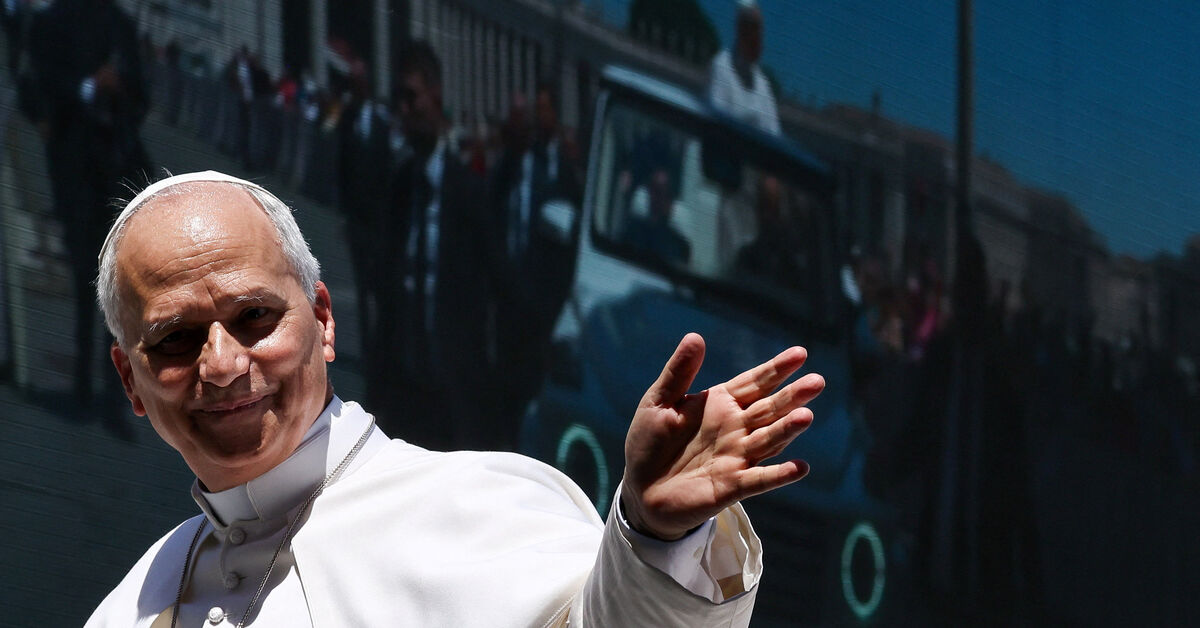
In an unprecedented step, Pope Leon announced this week his rejection of ancient instructions that were used to justify wars, dating back to the fifth century. This move, seen by experts as having far-reaching implications for global powers, comes in the first major document issued by the pope since taking office.
The document, released on Monday, not only addressed the issue of wars but also called for a global organization for artificial intelligence, reflecting the church's growing interest in modern issues. The pope also made a clear apology for the church's historical role in supporting transatlantic slavery, a recognition considered an important step towards historical correction.
Details of the Announcement
The war instructions rejected by Pope Leon are part of a long tradition in the Catholic Church, where they were used to justify wars in certain contexts. This rejection signifies a shift in ecclesiastical thinking regarding issues of war and peace, reflecting the pope's desire to promote peace and understanding among peoples.
By calling for the organization of artificial intelligence, Pope Leon demonstrates his awareness of the challenges humanity faces in the digital age. This organization could contribute to establishing ethical guidelines for the responsible use of technology, reflecting the church's commitment to humanitarian issues.
Background & Context
Historically, the Catholic Church has played a pivotal role in shaping global policies, including justifying wars. Since the fifth century, there have been instructions used to determine when nations could wage wars. However, social and political changes in recent decades have prompted the church to reevaluate its positions.
Transatlantic slavery was one of the darkest chapters in human history, with the church contributing to the support of these practices. Pope Leon's apology is seen as a step towards acknowledging historical sins, potentially opening the door for further dialogue on justice and reconciliation.
Impact & Consequences
This step could influence how nations address issues of war and peace in the future. Pope Leon's rejection of war instructions may help foster a culture of peace and encourage the pursuit of peaceful solutions to conflicts rather than resorting to military force.
Additionally, his call for the organization of artificial intelligence may spark new discussions about ethics and technology, potentially leading to the development of international standards that protect individual rights and ensure the safe use of technology.
Regional Significance
In the Arab region, where many countries suffer from armed conflicts, this step by the pope may be seen as a call to consider peaceful solutions to disputes. Peace calls from religious figures like Pope Leon could inspire reconciliation efforts in war-torn nations.
In conclusion, Pope Leon demonstrates through these steps his commitment to issues of justice and peace, opening new avenues for dialogue between religions and cultures.