Pope Francis has issued a powerful warning regarding artificial intelligence, calling for its removal from negative uses. The Pope indicated that the growing reliance on this technology could lead to the emergence of 'new forms of slavery', necessitating serious consideration from the international community.
In his speech delivered during a special event, the Pope condemned the rapid transformations occurring in technology, noting that these changes could adversely affect human values. He emphasized that artificial intelligence should be used as a tool to promote good rather than as a means of control or exploitation.
Details of the Event
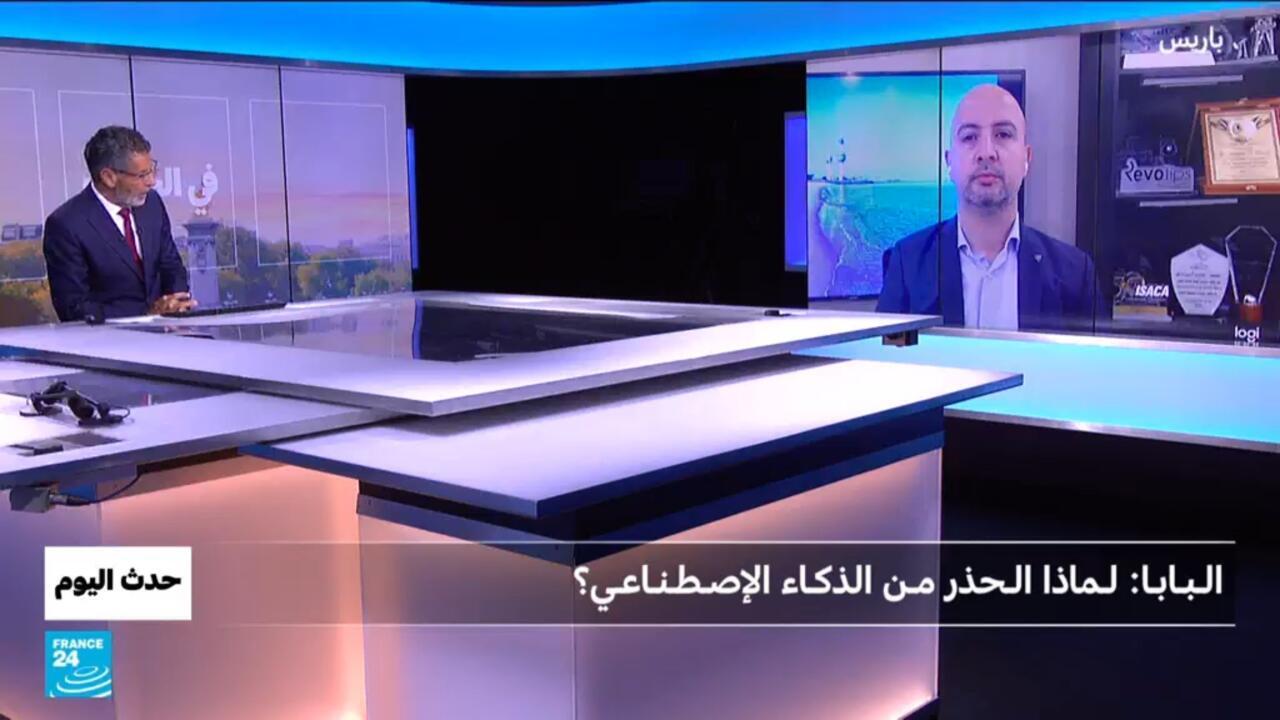
The Pope spoke about the necessity of establishing clear ethical standards for the use of artificial intelligence, stressing the importance of protecting human rights amid rapid technological advancements. The event was hosted by information security and digital transformation advisor Roland Abi Najm, who participated in discussions about the potential risks of artificial intelligence.
Participants at the event also discussed the importance of international cooperation in establishing legislation governing the use of artificial intelligence, aiming to avoid slipping into harmful applications. Abi Najm pointed out that artificial intelligence could have positive impacts if used responsibly, but he warned of dire consequences if its use continues unchecked.
Background & Context
This warning comes at a time when reliance on artificial intelligence is increasing across various fields, from healthcare to industry and services. This reliance has raised questions about how this technology will affect the labor market and workers' rights, with fears that machines may replace humans in many jobs.
Historically, the world has witnessed radical transformations due to technology, but the Pope warns that artificial intelligence presents a new ethical challenge that requires everyone to consider the social and economic consequences. He pointed out that technology should serve humanity, not the other way around.
Impact & Consequences
The Pope's warnings may open discussions on how to regulate the use of artificial intelligence, especially in countries that heavily depend on this technology. These calls could lead to the establishment of new policies aimed at protecting individual rights and ensuring they are not exploited.
Additionally, this warning may impact companies involved in developing artificial intelligence, as they may need to review their strategies to ensure alignment with human values. Simultaneously, this discussion could foster innovation in new areas focused on the positive applications of technology.
Regional Significance
In the Arab region, where investments in technology are on the rise, the Pope's warnings could significantly influence how these projects are developed. Arab countries must consider the potential risks of artificial intelligence and work on establishing legal and ethical frameworks governing the use of this technology.
The discussion around artificial intelligence can also contribute to raising public awareness about the importance of human values in the age of technology. It is essential for Arab nations to adopt policies that ensure technology is not exploited in ways that harm society.
In conclusion, the Pope's warning regarding artificial intelligence serves as a call for serious reflection on how to use this technology responsibly. The goal should be to promote good and benefit everyone, not the opposite.