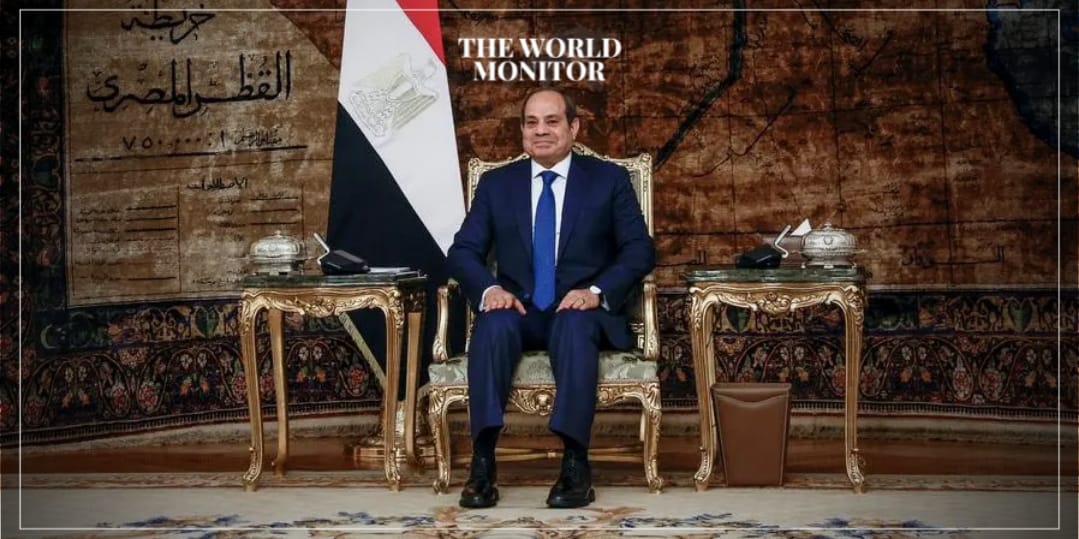
The Minister of State for Media announced the postponement of the minimum wage increase in the country, explaining that this decision came at the request of the president, who called for a reevaluation of the issue. This postponement reflects the economic challenges the country is currently facing.
In light of the difficult economic conditions many countries are experiencing, raising the minimum wage is considered an important step to improve the living standards of workers. However, the government is facing multiple pressures related to economic stability and rising inflation rates.
Details of the Event
The Minister of State for Media revealed that the government had developed a plan to raise the minimum wage, but current circumstances necessitated the postponement of this decision. He indicated that the president asked ministers to reassess the economic situation before taking any new steps. This decision follows a series of meetings that addressed the economic and social conditions in the country.
The minister also confirmed that the government seeks to achieve a balance between improving wages and maintaining economic stability, which requires a careful study of the available figures and data.
Background & Context
Historically, the country has witnessed multiple attempts to raise the minimum wage, with these steps aimed at improving the living standards of workers. However, global and local economic crises have significantly impacted the government's ability to implement these plans.
In recent years, inflation rates have risen significantly, making it difficult for the government to make bold decisions regarding wages. The country has seen labor protests demanding better living conditions, which has increased pressure on the government.
Impact & Consequences
The postponement of the minimum wage increase has direct repercussions on workers and their families, as the impact of inflation continues to affect their purchasing power. This decision also reflects the challenges the government faces in balancing workers' demands with economic pressures.
This postponement is likely to increase discontent among workers, which could affect social stability. Additionally, the failure to take swift action may impact citizens' trust in the government and its ability to improve economic conditions.
Regional Significance
Many Arab countries face similar challenges regarding minimum wage issues. Governments in the region are striving to improve economic conditions, yet global and local economic crises hinder these efforts. The postponement of wage increases in one country may have negative repercussions on neighboring countries facing the same problems.
Ultimately, improving wages remains one of the critical issues that require urgent attention from governments in the region, as achieving a balance between wages and economic stability is essential for ensuring a better future for workers and their families.