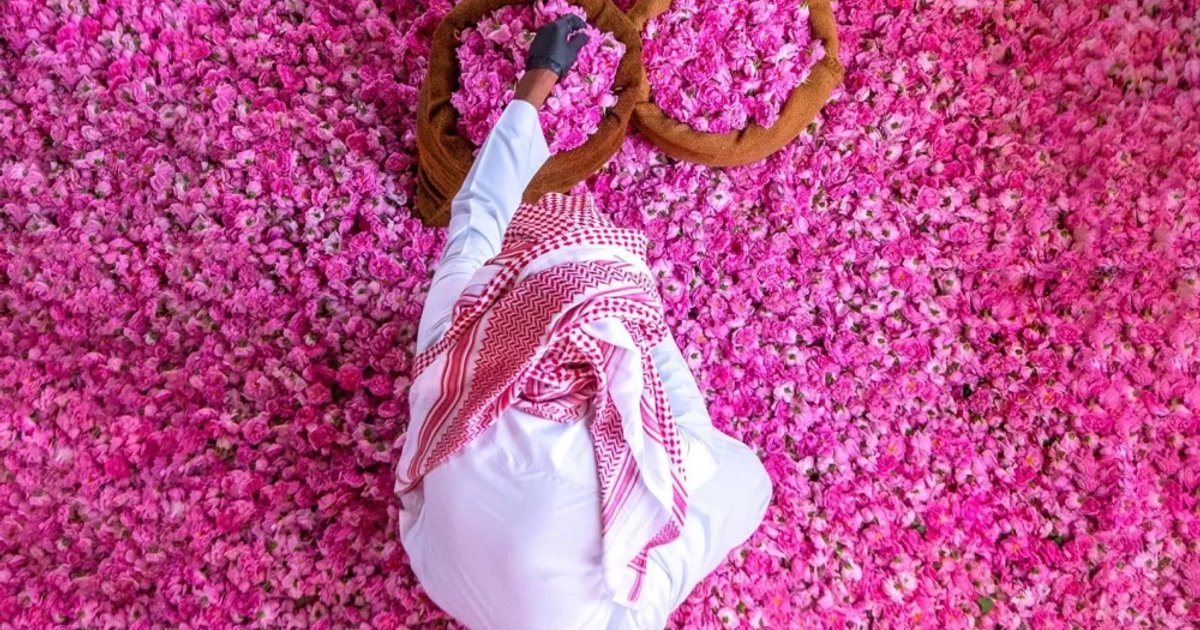
The Rose and Aromatic Plants Association in Taif has announced the postponement of the annual Rose Festival for the second time, raising numerous questions about the real reasons behind this setback. This announcement came after the Global Forum for Roses and Aromatic Plants clarified via its official account on the "X" platform that the postponement was due to ongoing weather fluctuations that led to a decrease in rose production.
Earlier, the association had confirmed that rose production this year would exceed 550 million roses, making the postponement decision surprising for many. The events were scheduled to take place in Al-Rudaf Park, but were postponed without sufficient clarification, increasing questions about the readiness of the events.
Details of the Event
This move comes after expectations that the Rose Festival would be an important tourist attraction in Taif, as it is considered one of the most prominent tourism events in the region. However, the repeated postponements and the lack of clear information from the organizing bodies could negatively impact visitor attendance, a concern echoed by several stakeholders in the rose and aromatic plants sector.
In a statement to the "Okaz" newspaper, the Chairman of the Board of Directors of the Rose and Aromatic Plants Association, Abdulrahman Al-Sharbi, indicated that "the conflict between me and myself is intense," adding to the ambiguity surrounding the true reasons for the postponement. Meanwhile, the festival's official spokesperson, Dr. Khadija Abu Al-Naja, did not provide any responses to media inquiries, reflecting a lack of transparency in the event's management.
Background & Context
The Rose Festival in Taif is an annual tradition that attracts visitors from various regions and reflects the agricultural and cultural heritage of the area. However, the fluctuating weather conditions have significantly impacted rose production, raising concerns among farmers who rely on this event as a primary source of income.
Historically, Taif has hosted many similar events that contributed to boosting local tourism, but the repeated postponements may lead to a loss of confidence in the organizing bodies' ability to successfully manage such events.
Impact & Consequences
The postponement of the Rose Festival could significantly affect local farmers, who were hoping to achieve good financial returns from this event. Additionally, the absence of events may lead to a decline in tourism activity in Taif, negatively impacting the local economy.
Moreover, the unclear reasons behind the postponement could lead to increased rumors and anxiety among farmers and stakeholders in the agricultural sector, highlighting the need for greater transparency from the organizing bodies.
Regional Significance
The Rose Festival in Taif is part of the cultural identity of the region, and its postponement could affect Taif's reputation as a tourist destination. Amid the economic challenges facing many Arab countries, tourism events play a vital role in supporting the local economy and enhancing cultural exchange.
In conclusion, the question remains: who is responsible for the lost dreams of farmers, and who is behind the festival's postponement? The organizing bodies need to provide clear answers to restore confidence in future events.