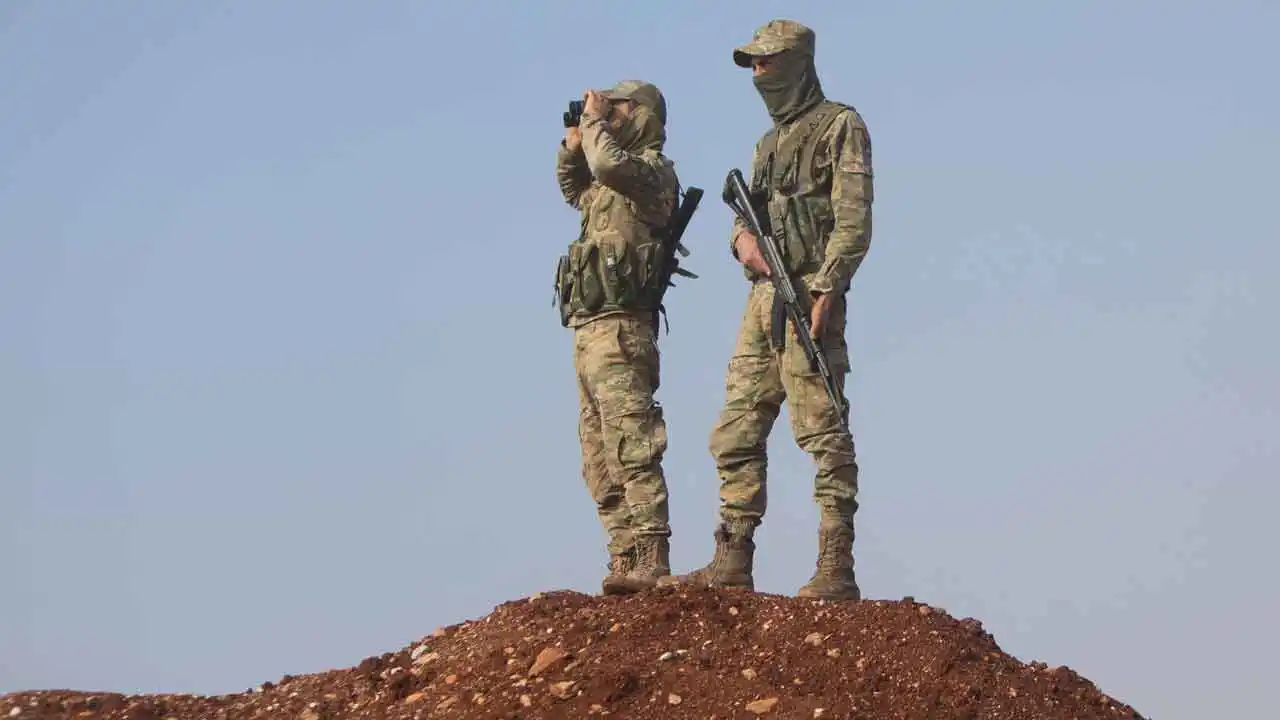
Since 2012, Hasakah province has been witnessing an escalating power struggle between the Syrian government and Kurdish forces. This conflict reflects the shifting political and military dynamics in the region, where control has varied among different factions.
Initially, some areas of Hasakah were under the control of factions such as Jabhat al-Nusra, but as events escalated, the Syrian regime evacuated large areas of the Syrian Jazira, allowing the People's Protection Units (YPG), affiliated with the PKK, to expand their influence. This shift had profound effects on the demographic and political composition of the region.
Details of the Conflict
Since the onset of the Syrian conflict, Hasakah has become a battleground for multiple conflicts, with various local and regional powers competing for control. The People's Protection Units (YPG), considered part of the international coalition against the Islamic State, have managed to seize strategic areas, making them a key force in northeastern Syria.
On the other hand, the Syrian government seeks to regain control over these areas, viewing them as part of its national sovereignty. This struggle for influence is manifested in repeated clashes between government forces and Kurdish troops, in addition to tensions with other armed factions.
Background & Context
Historically, Hasakah has been a resource-rich area, attracting the attention of many powers. Following the outbreak of the conflict in 2011, armed factions began competing for control, leading to a deterioration of security and economic conditions. As Kurdish influence grew, the Syrian regime began to reassess its military and political strategies.
Moreover, regional powers play a significant role in this conflict, with some countries supporting the Kurds in their quest for autonomy, while others aim to support the Syrian government in regaining control over the region.
Impact & Consequences
The repercussions of this conflict extend beyond local borders, affecting regional stability. The struggle between the Syrian government and Kurdish forces could exacerbate the humanitarian situation in the area, where civilians suffer from the ongoing conflict.
This conflict also reflects ethnic and political tensions in Syria, complicating peace and reconciliation efforts. Under these circumstances, the future of Hasakah remains uncertain, with growing fears of an escalation in the conflict.
Regional Significance
Hasakah serves as a model for the complex conflicts facing the Arab region, reflecting the challenges countries face in managing ethnic and political diversity. The continuation of the conflict in Hasakah may impact stability in neighboring countries and increase the flow of refugees to adjacent nations.
In conclusion, the power struggle in Hasakah is a complex issue that requires international and regional efforts for resolution. Understanding these dynamics is vital for achieving peace and stability in the region.