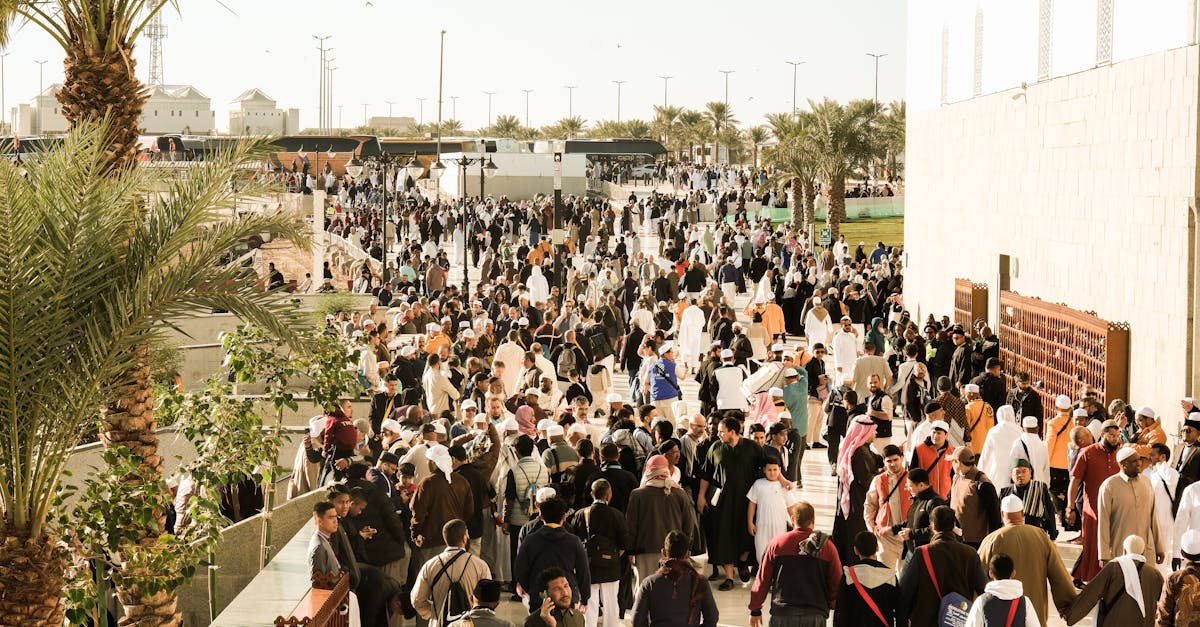
Pilgrims in the holy lands continue to raise their hands in prayer to Allah for the acceptance of their pilgrimage. This takes place during the Hajj season, which brings together millions of Muslims from various parts of the world to perform this significant religious duty in Mecca.
The Hajj is one of the five pillars of Islam and offers Muslims a chance to draw closer to Allah and seek forgiveness. This year, Mecca has witnessed a significant influx of pilgrims, reflecting the importance of this worship in the hearts of Muslims.
Event Details
As the rituals of Hajj commence, pilgrims perform the Tawaf around the Kaaba, followed by their journey to Mina and Arafat to complete their rites. Extensive precautionary measures have been implemented to ensure the safety of the pilgrims, with all necessary services provided to facilitate the performance of the rituals.
The Hajj rituals encompass numerous practices that reflect the spirit of unity and brotherhood among Muslims, as pilgrims from diverse nationalities and cultures gather in one place, enhancing values of tolerance and cooperation.
Background & Context
Historically, the Hajj season dates back to the time of Prophet Ibrahim (Abraham), symbolizing obedience and submission to Allah. The rituals of Hajj have evolved over the centuries, yet the essence of worship has remained constant. In recent years, Hajj has faced several challenges, including the COVID-19 pandemic, which impacted the number of pilgrims. However, with the improvement of health conditions, numbers have begun to rise again.
The Kingdom of Saudi Arabia is responsible for organizing the Hajj and has invested in developing infrastructure and services for pilgrims, making it easier for them to perform their rituals in a comfortable and safe environment.
Impact & Consequences
The Hajj season significantly impacts the Saudi economy, contributing to the enhancement of religious tourism and attracting substantial investments across various sectors. Additionally, Hajj presents a positive image of Islam worldwide, allowing non-Muslims to understand the values of tolerance and love inherent in this religion.
The effects of Hajj transcend national borders, strengthening bonds among Muslims globally and contributing to the formation of a cohesive global community. Furthermore, Hajj serves as an opportunity for cultural exchange and sharing experiences among pilgrims.
Regional Significance
The Hajj represents a crucial event in the Arab world, where Muslims from various Arab nations gather to fulfill this religious obligation. This gathering reflects the cultural and religious ties that bind Arab peoples, enhancing their shared Islamic identity.
The prayers raised by pilgrims during these sacred days offer a chance for reflection on the spiritual meanings of Hajj, contributing to the strengthening of faith and closeness to Allah. These moments also embody hope for peace and unity among Muslims.
In conclusion, the Hajj season is more than just a series of religious rituals; it represents an opportunity for spiritual and social connection among Muslims. The prayers offered during these blessed days reflect the depth of faith and the pilgrims' desire to be close to Allah, making this experience an unforgettable event in their lives.