Sudanese markets are grappling with a severe wave of inflation, as prices for bread and fuel have surged dramatically, exacerbating the hardships faced by citizens. This increase follows a spike in transportation costs due to an unprecedented rise in fuel prices.
The price of a single loaf of bread has jumped by 50 Sudanese pounds, with authorities setting the price for four loaves at 1000 Sudanese pounds, which exceeds two US dollars. This hike places an additional burden on the Sudanese citizen at a time when the country is suffering from the repercussions of ongoing war.
Details of the Event
According to Issam al-Din Akasha, spokesperson for the Bakers' Union, this price increase is attributed to the global rise in fuel prices due to the Iranian war. He explained that the increased transportation costs have led to a rise in the price of flour and other bread production essentials, prompting bakers to raise their prices.
Fath al-Rahman al-Badri, a bakery owner, confirmed that the increase has affected all states, noting that production costs have become unprecedentedly high, forcing them to make the difficult decision to raise bread prices.
Background & Context
Local wheat production halted following the outbreak of conflict between the army and Rapid Support Forces in April 2023, prompting the government to increase wheat imports to meet local consumption needs. These conditions have exacerbated the economic crisis in the country.
The rise in fuel and food prices is also linked to disruptions in fuel supplies due to the Iranian war, alongside the depreciation of the Sudanese pound against foreign currencies.
Impact & Consequences
The significant increase in the prices of goods and services poses an additional burden on the Sudanese citizen, who is already facing challenging economic conditions. Experts predict that these economic changes will lead to a rise in inflation rates, negatively impacting the daily lives of citizens.
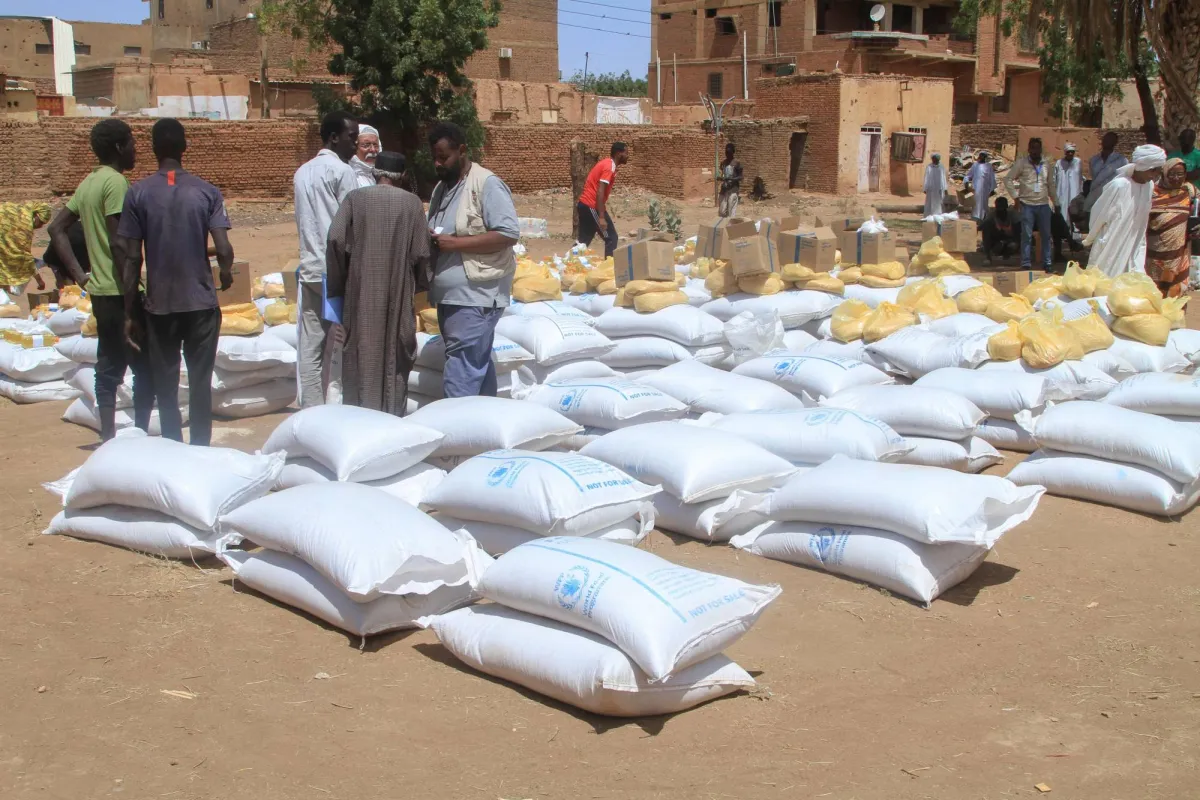
Millions of Sudanese have lost their jobs due to the conflict, further increasing their suffering amid rising prices. The United Nations indicates that over five million Sudanese are at risk of famine, while another 18 million are suffering from food insecurity.
Regional Significance
The economic situation in Sudan reflects many challenges faced by countries in the region, all of which are affected by fluctuations in fuel prices and political crises. These crises impact economic and social stability, threatening food security in the region.
In conclusion, the situation in Sudan requires an urgent response from the international community to assist the country in overcoming these crises and to provide the necessary support to alleviate the suffering of its citizens.