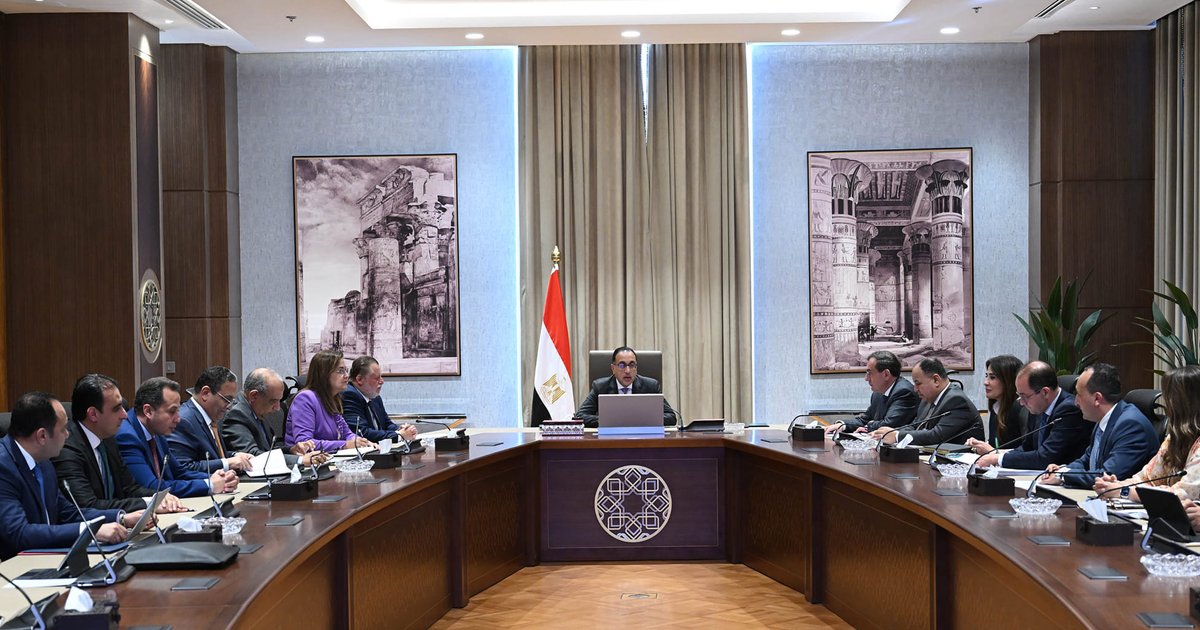
In an official statement, the Egyptian Prime Minister confirmed that the "remote work" decision implemented in some sectors does not include schools and universities. He explained that in-person education is essential in these educational institutions, as it enhances interaction between students and teachers.
This statement comes at a time when the world is witnessing significant shifts in work and education patterns, especially following the COVID-19 pandemic, which imposed radical changes on how educational services are delivered. This decision has raised numerous questions about the future of education in Egypt and the feasibility of effectively integrating remote learning methods.
Details of the Announcement
During a press conference, the Prime Minister clarified that education in schools and universities requires the presence of students and teachers in the same location to ensure the quality of education. He noted that there are plans to improve educational infrastructure and provide a suitable learning environment that supports effective learning.
He also confirmed that the government is working on developing curricula and providing necessary training for teachers, reflecting the state's commitment to improving the quality of education in the country. He explained that remote education could be an additional option in some cases, but it will not replace traditional education.
Context and Background
Historically, Egypt has witnessed significant changes in its education system, with technology being introduced into classrooms. With the onset of the COVID-19 pandemic, there was a heavy reliance on remote education as a means to maintain student safety. However, many experts believe that in-person education is irreplaceable, especially in early educational stages.
It is worth noting that many countries around the world have begun to reevaluate their educational strategies post-pandemic, seeking to achieve a balance between traditional and remote education. In this context, the Prime Minister's statements emphasize the importance of in-person education in Egypt.
Implications and Effects
The Prime Minister's statements underscore the government's direction towards enhancing in-person education, which may affect the plans of some families who were hoping to benefit from remote education. This decision could also promote social interaction among students, contributing to the development of their social skills.
On the other hand, some students may face challenges in adapting to the return to classrooms, especially those who have become accustomed to remote education. Therefore, it is important for schools and universities to adopt strategies to support students during this transitional phase.
Impact on the Arab Region
Egypt's experience with in-person education is a significant element in the regional context, as many Arab countries seek to improve their education systems. Neighboring countries may benefit from Egypt's experience in promoting in-person education, especially given the challenges they face in this area.
This decision may also open the door for broader discussions on how to improve the quality of education in the region, potentially contributing to the development of more effective educational strategies that meet the needs of students in the Arab world.
In conclusion, in-person education remains a fundamental element in developing the educational process in Egypt, reflecting the government's commitment to improving education quality and providing a suitable learning environment for students.