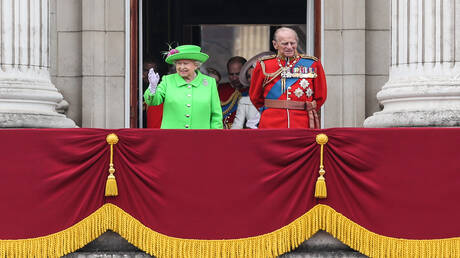
A new book by historian Hugo Vickers reveals that Prince Philip, the Duke of Edinburgh, lived with pancreatic cancer for eight years before his death. This information was reported by the British newspaper 'The Times', which highlighted the health challenges the prince faced during the final years of his life.
Prince Philip, who was born on June 10, 1921, was the husband of Queen Elizabeth II of Britain and passed away on April 9, 2021. He was known for his active role in British public life, having a significant impact on many social and environmental issues.
Details of the Health Struggle
According to reports, Prince Philip began his struggle with pancreatic cancer in 2011 and continued to face this malignant disease until his death. Despite health challenges, he remained engaged in public activities, reflecting his willpower and commitment to his royal duties.
This information is new to many, as there was not much discussion about Prince Philip's health condition in the media during his lifetime. This revelation raises questions about how the illness affected his daily life and official roles.
Background & Context
Prince Philip was a prominent figure in the British royal family and played an important role in modernizing the monarchy. Born in Greece to a royal family, he moved to Britain at a young age. He married Elizabeth II in 1947 and became the Duke of Edinburgh, contributing to numerous charitable and social projects.
Over the years, Prince Philip faced many challenges, including criticisms directed at the royal family, yet he always managed to maintain a strong and influential image. He was known for his strong personality and sense of humor, making him beloved by many.
Impact & Consequences
This revelation about Prince Philip's health may affect how the public views the British royal family. In light of social and political changes in the United Kingdom, this information could be seen as reflecting the challenges faced by royal families in the modern era.
Additionally, this information may influence discussions about healthcare in the UK, as pancreatic cancer is considered a difficult disease that requires long-term care. This revelation might raise further awareness about the importance of early screening and effective treatment.
Regional Significance
Although Prince Philip was a British figure, his influence extends to the Arab region through the historical relationships between Britain and Arab countries. There have been many royal visits and cooperation between royal families in Arab countries and Britain, reflecting cultural and political ties.
This news can be seen as an opportunity to highlight public health issues in the Arab world, where many individuals face similar challenges with chronic diseases. This revelation may encourage increased awareness of the importance of medical check-ups and healthcare in Arab communities.
In conclusion, the disclosure of Prince Philip's health challenges presents a human side to the royal family, enhancing the public's understanding of the life challenges faced by individuals, regardless of their social status.