A survey released today, Tuesday, indicated that private sector growth in the Eurozone experienced a sharp decline during March, as the war in the Middle East led to increased energy costs and disrupted supply chains, negatively affecting overall demand, a key indicator of economic health.
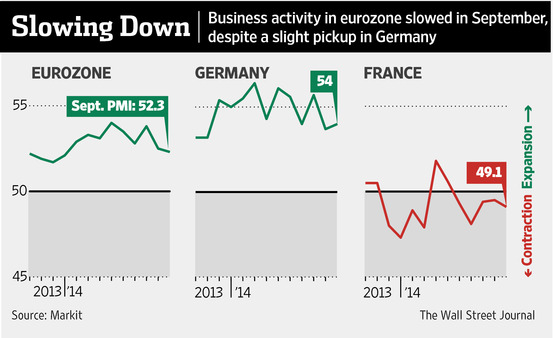
The Standard & Poor's Global Composite Purchasing Managers' Index for the Eurozone fell to 50.7 in March, down from 51.9 in February, but remained slightly above the preliminary estimate of 50.5. Readings above 50.0 indicate continued growth in economic activity; however, the current downturn reflects the impacts of the war in Iran.
Event Details
Chris Williamson, Chief Economist at Standard & Poor's Global Market Intelligence, told Reuters: "The March Purchasing Managers' Index shows that the Eurozone economy has been severely affected by the war in the Middle East." New business activity declined in March after a steady improvement since July, influenced by weak demand in the services sector.
Moreover, total export orders fell again, with demand for international services recording its largest drop in 6 months. Williamson confirmed that the encouraging growth signals that were evident earlier in the year have faded due to rising energy prices, supply chain bottlenecks, financial market volatility, and renewed contraction in demand.
Background & Context
The services sector did not record any significant increase, as the business activity index dropped to 50.2 from 51.9 in February, marking the weakest reading in 10 months. Meanwhile, production growth in the manufacturing sector remained strong. In the context of the crisis's impact on the transportation services sector, European Commission spokesperson Anna-Kaisa Ikonen stated that the EU will discuss this week the impact of the energy crisis on the airport and airline sectors.
Ikonen added that this topic will be discussed at a meeting of the EU Oil Supply Coordination Group on Wednesday and the Gas Supply Coordination Group on Thursday.
Impact & Consequences
In a related context, estimates from the EU statistics office showed that inflation in the Eurozone rose to 2.5% in March, compared to 1.9% in February before the outbreak of the war. The main reason for this increase was a 4.9% rise in energy costs during March, following a 3.1% decrease in February.
The Iran war has led to the closure of the Strait of Hormuz, through which about 20% of global oil and liquefied natural gas supplies pass, resulting in supply shortages and a rise in Brent crude oil prices by more than 50%, alongside a surge in natural gas prices in European markets by over 60%.
Regional Significance
The supplies flowing through the Strait of Hormuz provide Europe with only 10% of its gas needs, but Europe's heavy reliance on gas imports makes it vulnerable to fluctuations in global market prices. This situation may affect oil-producing Arab countries, as rising prices could lead to increased revenues, but at the same time, it may cause a decline in demand from European countries.
In conclusion, it seems that the repercussions of the Iran war will continue to impact the European economy, creating new challenges for decision-makers in the region and underscoring the importance of international coordination to address economic crises.