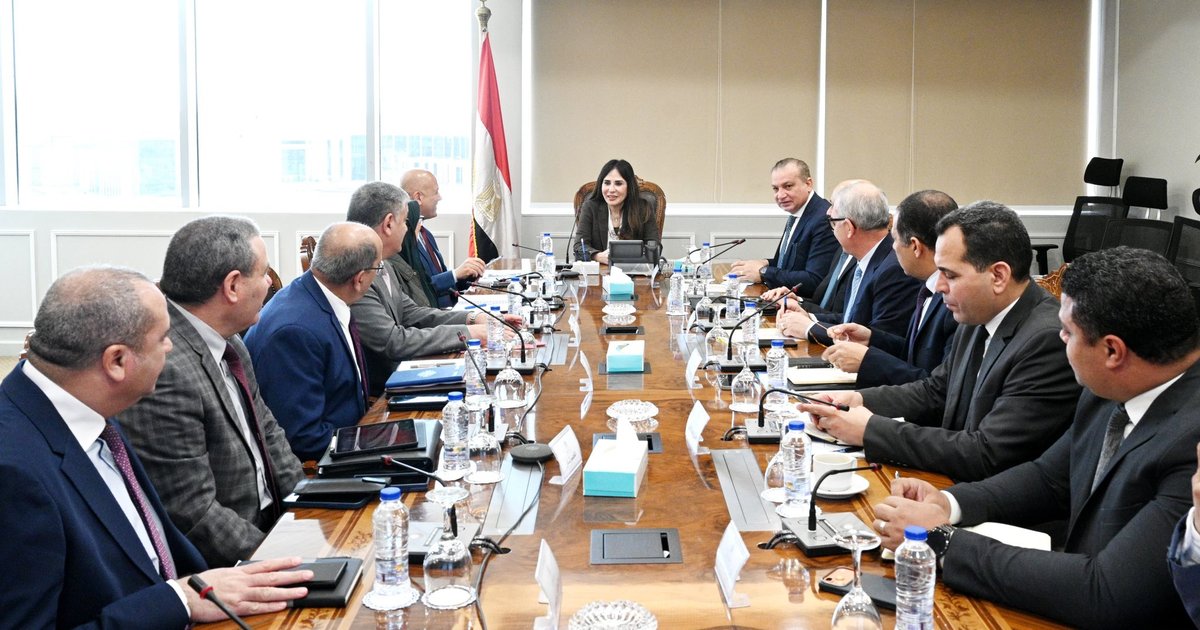
In an effort to enhance local manufacturing and reduce reliance on imports, Engineer Randa El-Manshawi, Minister of Housing, Utilities, and Urban Communities, has been monitoring the localization of equipment used in drinking water and sewage treatment projects. This was discussed during an extensive meeting attended by Engineer Ahmed Imran, Deputy Minister for Utilities, along with several ministry leaders and heads of affiliated entities.
The minister opened the meeting by emphasizing the strategic importance of deepening local manufacturing for utility project components. She noted that this approach contributes to lowering costs, reducing pressure on foreign currency, and improving operational and maintenance efficiency, which positively impacts the quality of services provided to citizens. She stressed that localizing industry is a fundamental pillar to support the national economy and create new job opportunities, in line with political leadership directives to enhance reliance on local products.
Event Details
Engineer Ahmed Imran reviewed the measures taken in recent times to support this initiative, explaining that coordination has been established with various state entities to encourage the local manufacturing of electromechanical equipment. Additionally, cooperation with global companies has been strengthened to transfer expertise and modern technology, alongside efforts to establish new factories within Egypt to meet local market needs, with a focus on expanding exports to African and Arab markets.
Imran pointed out that a comprehensive inventory of the needs for drinking water and sewage projects regarding mechanical and electrical equipment has been prepared for the next five years. These needs have been discussed with local companies and factories, along with updating technical specifications in coordination with relevant authorities to overcome any obstacles to local manufacturing and ensure compliance with the highest quality standards.
Background & Context
These efforts are part of the state’s strategy to enhance reliance on local products, which is a component of Egypt's Vision 2030. The government aims to achieve self-sufficiency in various fields, including the water and sewage sector, which is vital and directly impacts citizens' lives.
Historically, reliance on imports has posed a significant challenge to the Egyptian economy, as import costs affect the trade balance and put pressure on the local currency. Therefore, localizing industry is a strategic step towards achieving economic stability.
Impact & Consequences
These initiatives are expected to create new job opportunities, enhancing the ability of youth to engage in the labor market. Furthermore, localizing industry will improve the quality of services provided to citizens, as local companies will be able to offer products that meet market needs.
Moreover, enhancing local manufacturing may contribute to reducing project costs, positively reflecting on the state’s general budget. This, in addition to boosting the competitiveness of Egyptian products in regional and international markets.
Regional Significance
Egypt's experience in localizing industry serves as a model for the Arab region, where many countries face similar challenges regarding reliance on imports. These efforts can inspire other countries to strengthen their local industries, contributing to sustainable development.
Amid global economic challenges, enhancing reliance on local products may help Arab countries build more resilient economies capable of facing crises.
In conclusion, the Minister of Housing emphasized the necessity of regular follow-up on progress rates in the localization of industry, establishing clear performance indicators to measure results and ensure targets are met, supporting the state’s strategy towards sustainable development. She also stressed adherence to standard specifications and product quality to ensure the efficient implementation of drinking water and sewage projects, maximizing the benefits of local industrial capabilities.