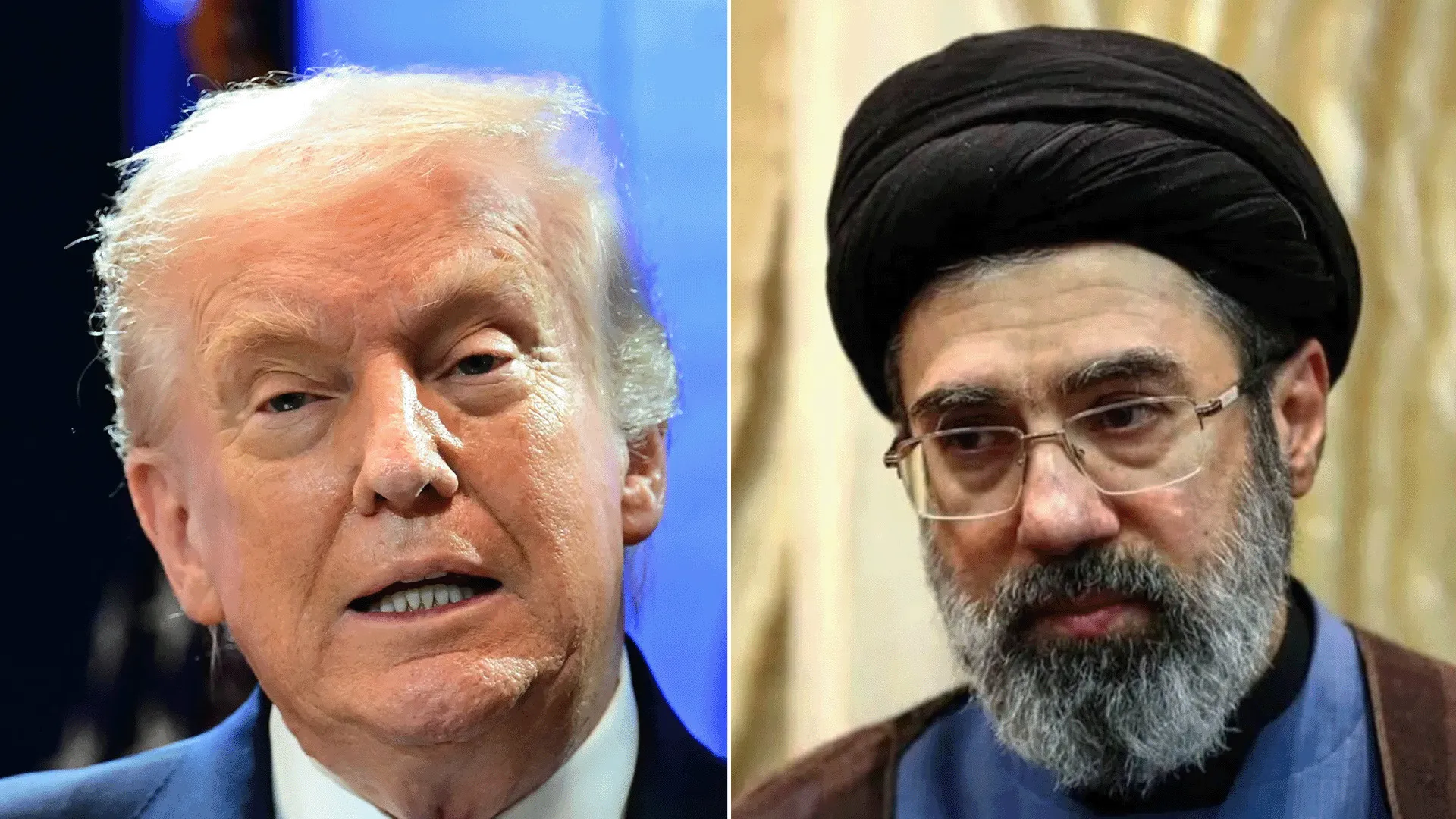
Tensions are escalating between Washington and Tehran amid a proposed 45-day ceasefire, viewed as a narrow opportunity to avoid a larger military escalation. However, the political and military complexities surrounding this proposal cast doubt on its chances of success.
According to Axios, this proposal is being circulated through regional intermediaries in an attempt to temporarily freeze hostilities until more in-depth negotiations can be completed to end the conflict. Some sources have warned that failure in this path could lead to a large-scale military escalation targeting Iranian infrastructure.
Details of the Event
Reports indicate military preparations on both sides, with data suggesting that the United States may launch attacks on Iranian energy facilities, while Iran could retaliate by targeting vital installations in the Gulf region. This dynamic makes the proposed ceasefire appear more as a means to contain an imminent explosion rather than a permanent solution.
Regional affairs researcher Hussein Royaran believes that the Iranian position is not linked to a rejection of the ceasefire but stems from a lack of trust in U.S. intentions. Tehran views any proposal lacking guarantees as a continuation of previous experiences that ended in a unilateral U.S. withdrawal.
Background & Context
Historically, relations between Washington and Tehran have seen significant fluctuations, with previous attempts at agreements failing to last long. In this context, Royaran points out that any Iranian engagement in this path requires explicit recognition of its nuclear rights, as acknowledged by international law, making additional conditions such as halting enrichment unacceptable.
Conversely, comparative politics professor Maqdar Khan notes that the issue of the Strait of Hormuz represents a central knot in these negotiations. It is hard to imagine Iran agreeing to relinquish such a significant leverage point in exchange for a temporary ceasefire with uncertain outcomes.
Impact & Consequences
Doubts are increasing regarding the feasibility of the proposal, with Khan emphasizing that conditioning the opening of the strait before or during the ceasefire could deprive Iran of one of its most important negotiating tools. This also raises questions about the credibility of U.S. and Israeli commitments to any interim agreement, reinforcing Iranian hesitation to accept proposals that do not extend beyond a temporary ceasefire.
From the Israeli side, academic Mohammad Halsa offers a different perspective, stating that Tel Aviv sees no direct interest in a ceasefire at this stage. He argues that Prime Minister Benjamin Netanyahu would be the biggest loser from any early ceasefire, as the decision to end the war is no longer solely in Israel's hands but is fundamentally linked to the U.S. position.
Regional Significance
These developments are of great importance to the Arab region, as any military escalation could impact the security and stability of Gulf states. Furthermore, ongoing tensions may increase pressures on Arab governments to adapt to the changing situation.
In conclusion, the issue of the ceasefire between Washington and Tehran remains complex, intertwining multiple interests and historical factors, making it difficult to predict the future of relations between the two parties.