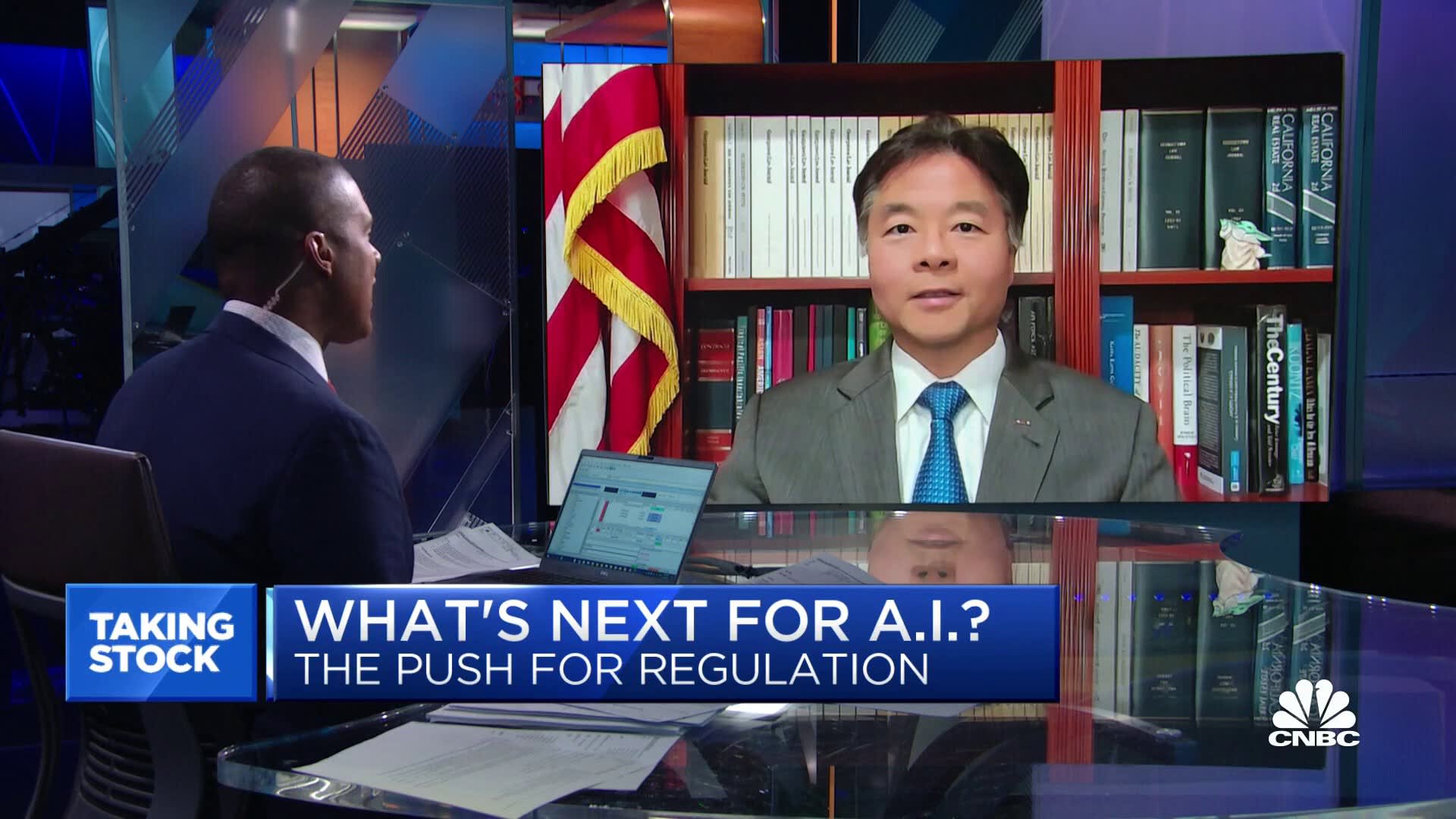
U.S. Representative Ted Lieu has introduced a new bill designed to regulate the use of artificial intelligence, which includes measures to combat the proliferation of fake and unauthorized images, as well as to ease the process of reporting concerns related to AI. This bill emerges at a time when there is increasing interest in regulating AI in the United States, particularly as fears about its negative uses grow.
The bill is seen as a first step towards comprehensive regulation, as Lieu aims to address some sensitive issues without delving into more complex details, such as whether federal standards should supersede local laws. This initiative reflects recommendations from a bipartisan task force that Lieu and his colleagues participated in, indicating a consensus between the parties on the importance of regulating this field.
Details of the Legislation
The proposed legislation includes a set of provisions aimed at protecting whistleblowers who discover risks or violations related to artificial intelligence. It also mandates U.S. participation in international organizations that work on developing technical standards for AI. Additionally, the bill calls for the establishment of a research and development awards competition in this field, which would promote innovation.
While Obernolty supports Lieu's initiative, he is also preparing his own package related to artificial intelligence, which is expected to be announced later this year. Notably, both proposals are based on the work of the bipartisan task force, reflecting cooperation between the two parties in this area.
Background & Context
This move comes amid growing global concerns about the impacts of artificial intelligence, especially with the increasing use of technology across various sectors. In recent years, there have been numerous instances of fake images being used to disseminate misleading information, leading to rising calls for regulation in this sector. In this context, Lieu's bill is part of broader efforts by nations to address the challenges posed by artificial intelligence.
Historically, there have been many attempts to regulate the use of modern technology, but progress has been slow. However, the increasing awareness of potential risks has contributed to pushing governments towards taking more serious steps.
Impact & Consequences
The proposed legislation could have far-reaching effects on how artificial intelligence is utilized in the United States. It is expected to enhance safety in the use of this technology, thereby boosting trust among users. Furthermore, protecting whistleblowers may encourage more individuals to report violations, contributing to improved transparency.
However, questions remain about how these laws will be enforced amid ongoing technical challenges. Technology evolves rapidly, requiring lawmakers to be flexible in their responses.
Regional Significance
In the Arab region, these developments could have significant implications, especially with the increasing use of artificial intelligence in various fields such as education and healthcare. Arab countries may benefit from lessons learned from the American experience in regulating this sector, contributing to enhanced safety and transparency.
Moreover, international cooperation in establishing technical standards could open new avenues for Arab nations to participate in the development of artificial intelligence technologies, thereby enhancing their standing in this field.