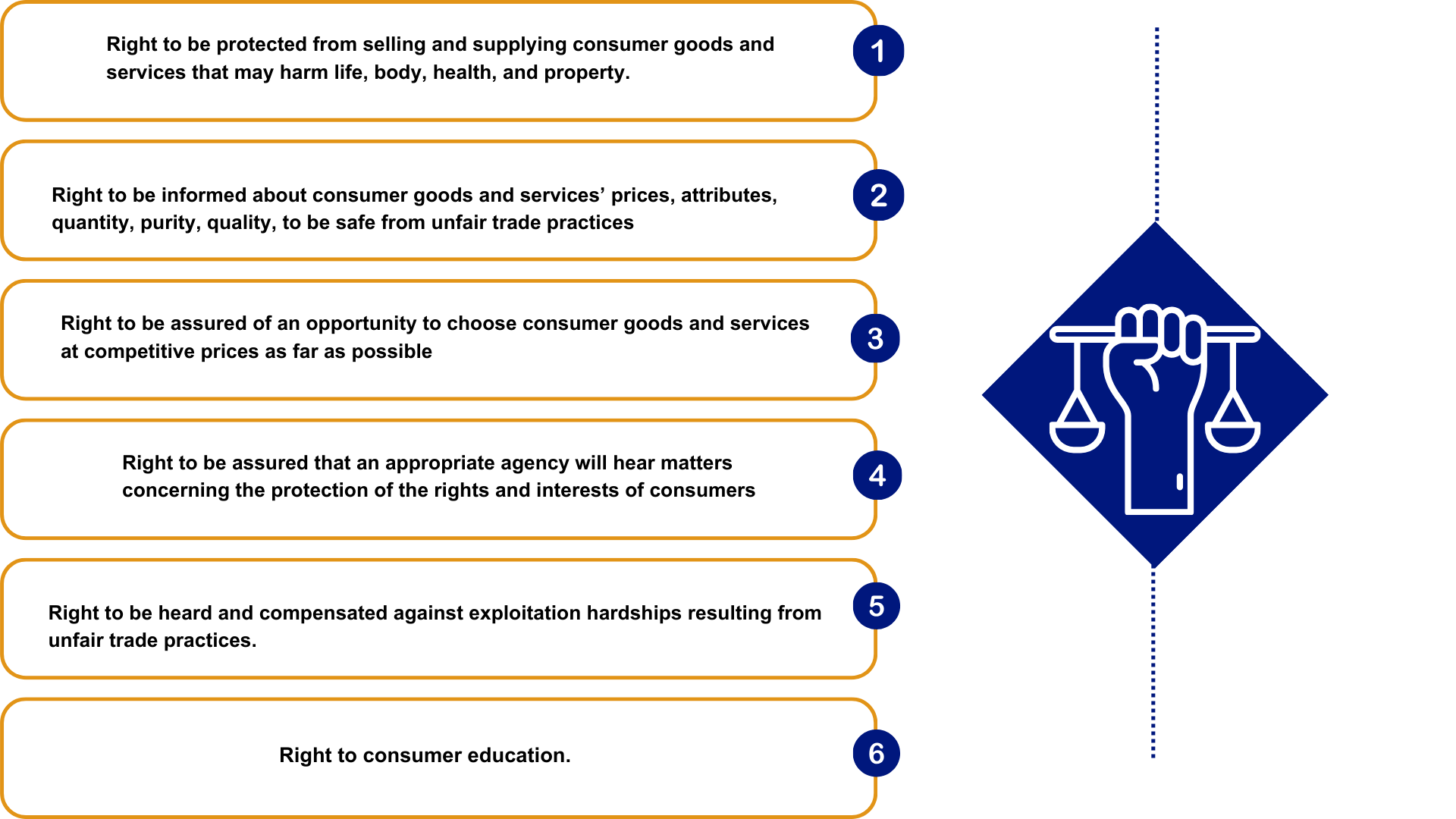
Indonesian Trade Minister Budi Santoso announced his proposal to update the Consumer Protection Law (UUPK) during a meeting with Committee III in the Indonesian Senate. This proposal is part of a comprehensive assessment of Law No. 8 of 1999, which has been in effect for almost thirty years. Santoso emphasized that the current law has several weaknesses, necessitating the issuance of a new law that aligns with present conditions.
The minister pointed out that despite being in effect for 27 years, the current law still faces issues related to linguistic formulation, organization, and dispute resolution mechanisms. He added that some provisions have become unenforceable in light of recent developments, warranting a reevaluation.
Details of the Proposal
Challenges in the e-commerce sector are increasing, with Santoso noting the emergence of new issues such as cyber fraud, illegal loans, and the trade of counterfeit and substandard goods. He also expressed concern over misleading advertising practices and the use of unethical methods that negatively impact consumers.
According to the National Consumer Capacity Index (IKK) for 2025, Indonesia scored 63.44 points, indicating that consumers in the country are in a precarious position, able to defend their rights and fulfill their obligations. This index has risen from 60.11 points in 2024, reflecting an improvement in consumer awareness.
Background & Context
Historically, the Consumer Protection Law in Indonesia was established in 1999, at a time when e-commerce was still in its infancy. With the advancement of technology and increased internet usage, the need to update laws to meet modern market demands has become urgent. In recent years, there has been a significant rise in complaints related to e-commerce, with online trade complaints accounting for 94.73% of total complaints.
The Indonesian government aims to enhance consumer protection by taking strategic steps, including issuing new regulations to govern e-commerce. Task forces have also been established to monitor online business activities and ensure compliance with the law.
Impact & Consequences
Updating the Consumer Protection Law could significantly affect how companies interact with consumers, especially in light of new challenges emerging in the market. This update is expected to improve dispute resolution mechanisms and strengthen consumer rights, contributing to greater trust between consumers and businesses.
Moreover, enhancing consumer protection may support small and medium-sized enterprises, enabling them to compete more effectively in the market. By providing a safer business environment, the government can encourage innovation and growth in the private sector.
Regional Significance
Updating consumer protection laws in Indonesia serves as a model for Arab countries facing similar challenges in e-commerce. With the increasing use of the internet in the Arab world, it is essential to update laws to protect consumers from fraud and unethical business practices.
Arab countries can benefit from Indonesia's experiences in strengthening consumer protection, which contributes to improving the business environment and increasing trust between consumers and companies.