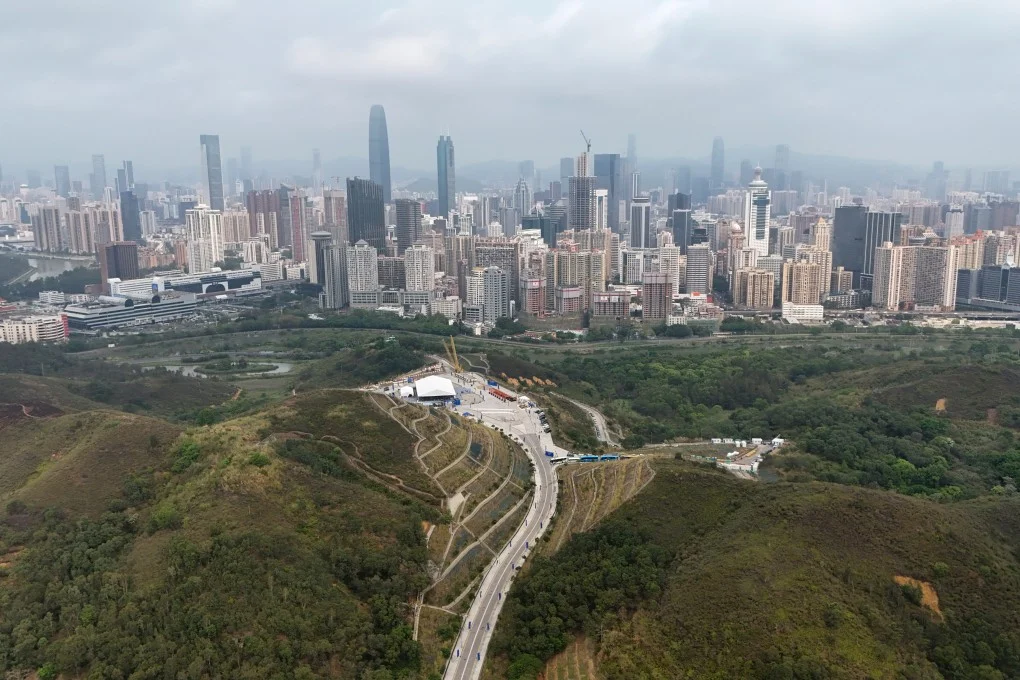
A planned super data center in northern Hong Kong is expected to become the largest energy consumer in the city, surpassing MTR, one of Hong Kong's largest railway operators. This development comes at a time when concerns about climate change impacts are growing, prompting experts and environmental groups to call for strict energy efficiency standards to curb carbon emissions in this sector.
According to estimates from the Green Earth group, the new project, scheduled to start operations in 2029, could lead to an annual increase in carbon emissions of up to 70% compared to current levels. This raises questions about how to balance technological advancement with environmental preservation.
Details of the Project
The super data center aims to support technological innovation in Hong Kong, being part of the government's plan to enhance the digital economy. However, estimates indicate that this project may require vast amounts of energy, putting it in direct conflict with the environmental goals the city aims to achieve.
In this context, the Green Earth group warned that increased energy consumption could exacerbate the climate change crisis, as Hong Kong heavily relies on fossil fuels for energy generation. Experts have pointed out the urgent need to establish energy efficiency standards to ensure emissions do not exceed permissible limits.
Background & Context
Historically, Hong Kong has been considered one of the most densely populated cities in the world, which increases energy demand. In recent years, the government has begun taking steps towards transitioning to renewable energy sources, but challenges remain. The super data center is part of the government's vision to promote innovation, but it comes with significant environmental challenges.
Studies show that major cities around the world face similar challenges in balancing economic growth with environmental sustainability. Therefore, Hong Kong's experience could serve as a model for other cities on how to manage these challenges.
Impact & Consequences
If the project is implemented as planned, it could lead to a significant increase in carbon emissions, potentially affecting Hong Kong's reputation as a global business hub. Additionally, the rise in emissions may put further pressure on the government to implement stricter environmental policies.
On the other hand, this development could stimulate innovation in renewable energy, as companies may seek to develop new technological solutions to reduce emissions. However, the biggest challenge remains how to balance economic growth with environmental preservation.
Regional Significance
The issue of climate change and reducing carbon emissions is a global concern affecting all countries, including Arab nations. Amid increasing environmental challenges, Arab countries could benefit from Hong Kong's experience in managing economic growth while preserving the environment.
There are also significant opportunities for Arab countries to invest in renewable energy, which could help them reduce their reliance on fossil fuels and achieve sustainable development goals.
In conclusion, the super data center project in Hong Kong highlights the challenges faced by major cities in balancing innovation and economic growth on one hand, and environmental preservation on the other. It will be crucial to monitor how the government and society respond to this challenge.