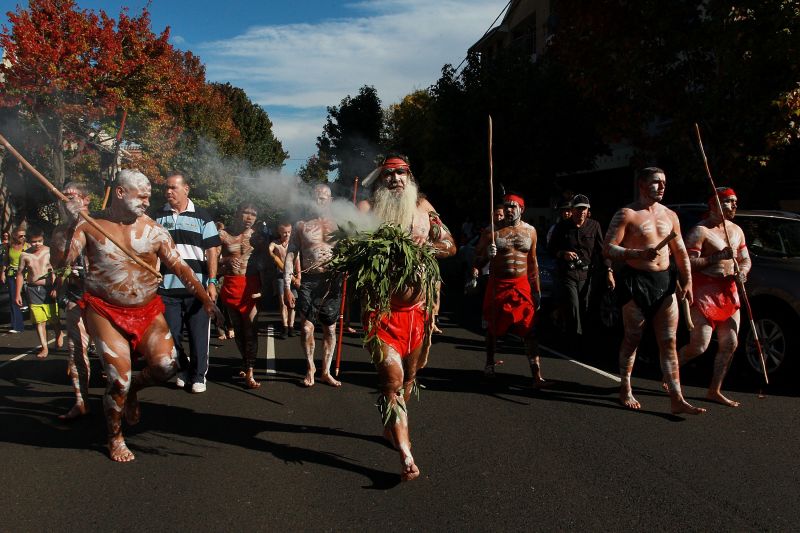
The ANZAC Day commemorations in Australia, held to honor the victims of wars, experienced unexpected disruptions in three major cities. Indigenous speakers faced hostile chants during these events, leading to widespread debate about how to honor the country's history and traditions.
ANZAC Day celebrations, which take place on April 25 each year, are an important occasion in Australian culture, commemorating soldiers who served in wars. However, this year's celebrations saw a rise in tensions between some attendees and Indigenous speakers, who sought to highlight their history and culture.
Details of the Protests
In cities like Sydney, Melbourne, and Perth, Indigenous speakers who attempted to offer a traditional tribute expressing their respect for the land and its original inhabitants were targeted. The chants from some attendees indicated a rejection of this tradition, creating a tense atmosphere during the celebrations.
This incident is part of a broader discussion regarding Indigenous rights in Australia, as many Indigenous people seek recognition of their history and culture within the wider context of Australian history. These events raised questions about how to balance honoring soldiers while ensuring respect for Indigenous cultures.
Background & Context
Australia's history with Indigenous peoples is complex and fraught with challenges. Since the arrival of European colonizers in the 18th century, Indigenous cultures have been threatened, leading to their marginalization in Australian society. Over the years, many movements have sought to restore recognition of these peoples' rights, including acknowledgment of their cultural and historical rights.
In recent years, Australia has seen increasing movements towards recognizing Indigenous rights, including calls for their inclusion in the constitution. However, there remains resistance from certain quarters, leading to heightened tensions during national events.
Impact & Consequences
This incident illustrates how the discussion surrounding Indigenous rights remains a significant issue in Australia. The hostile chants indicate a deep division within society regarding how to address the country's history. These events may lead to further discussions on how to integrate Indigenous cultures into national events.
Moreover, this incident could open the door for more dialogues on how to foster understanding between different cultures in Australia, potentially leading to changes in how national celebrations are organized in the future.
Regional Significance
The protests during ANZAC Day highlight ongoing cultural and social tensions in Australia, reflecting the importance of recognizing Indigenous rights. As the nation grapples with its past, these events serve as a reminder of the need for inclusive dialogue and respect for all cultural narratives.
In conclusion, the ANZAC Day protests not only disrupted a significant national event but also reignited discussions about the place of Indigenous peoples in Australia's collective memory and future.