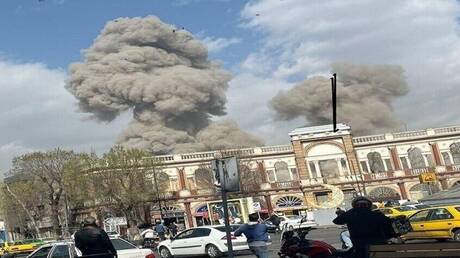
Tehran Municipality has organized emergency shelter for over 10,000 people in 28 hotels, as part of its efforts to address the repercussions of the crises facing the Iranian capital. This announcement was made by Tehran City Council member, Mohammad Aghamiri, who confirmed that this step aims to provide necessary shelter and care for the affected individuals.
These measures come at a time when Tehran is facing multiple challenges, including economic and social crises that have impacted citizens' lives. The municipality has shown its readiness to provide necessary support, as hotels have been prepared to accommodate the affected and provide them with essential services.
Details of the Initiative
In this context, Aghamiri clarified that Tehran Municipality has coordinated with several governmental and non-governmental entities to facilitate the sheltering process. Hotels were selected based on specific criteria to ensure a suitable environment for the affected individuals. Work teams have also been assigned to monitor the needs of these individuals and provide them with psychological and social support.
The hotels have been opened to receive the affected individuals around the clock, reflecting the diligent efforts of local authorities in confronting the crises. Medical and food services have also been provided to ensure the safety and health of those benefiting from this shelter.
Background & Context
Historically, Tehran has witnessed several natural and social crises, prompting it to adopt various strategies to deal with such situations. Economic crises have affected citizens' ability to bear living costs, increasing the need for such initiatives. In recent years, pressures have increased on the Iranian government to provide necessary support to citizens, especially under the current circumstances.
This step is part of the Iranian government's efforts to enhance crisis response and provide support to citizens. These measures may also represent an attempt to improve the government's image in the eyes of the people, especially amid growing criticisms regarding insufficient governmental support during critical times.
Impact & Consequences
This initiative is expected to alleviate the suffering of the affected individuals and provide them with a safe environment during difficult times. Additionally, this action may enhance citizens' trust in the government and demonstrate its readiness to effectively engage with crises.
However, the biggest challenge remains how to sustain these efforts and expand their scope to include more affected groups. Crises do not only affect individuals who have been sheltered but also families suffering from loss of income or shelter.
Regional Significance
The events in Tehran serve as a testament to the challenges faced by many countries in the region, where numerous Arab nations are experiencing similar crises. A swift and effective response to crises could serve as a model for other countries, contributing to the improvement of humanitarian conditions.
This step may also open the door for further cooperation between Arab countries and Iran in the field of humanitarian relief, strengthening regional ties and reflecting the importance of solidarity in the face of crises.
In conclusion, sheltering over 10,000 affected individuals in Tehran represents a positive step towards improving humanitarian conditions in the capital and reflects the ongoing efforts of the government to confront challenges. Hope remains pinned on the continuation of these initiatives and their expansion to include all affected individuals.