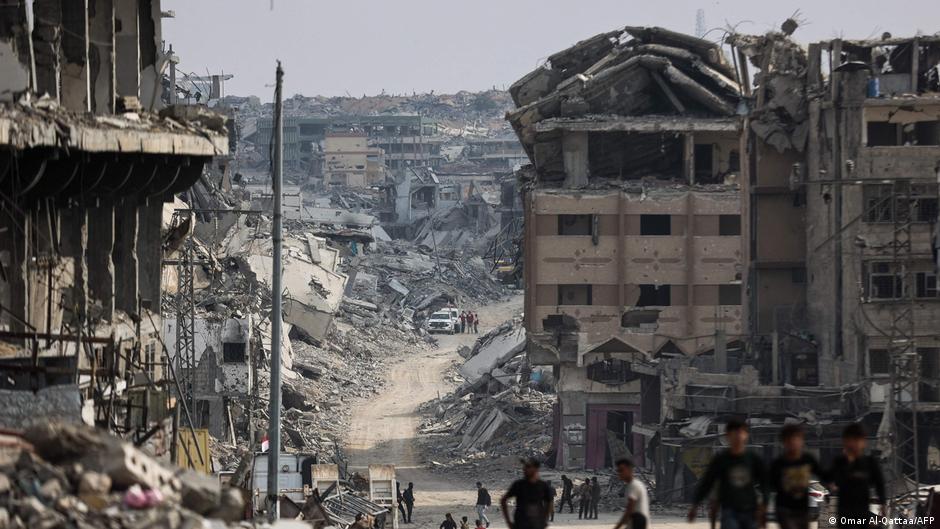
Israeli Arab communities are currently witnessing a notable increase in the effects of psychological warfare, with many individuals suffering from deep trauma that impacts their daily lives. Under the current circumstances, these individuals face significant challenges in coping with feelings of fear and anxiety, raising widespread concerns about mental health in these communities.
Many families share their experiences in confronting these traumas, with some demonstrating strength and resilience in their attempts to adapt to the current situation. For instance, one father states, "I try to be strong for her," referring to his daughter who is experiencing anxiety due to the surrounding events. These statements reflect the bitter reality faced by many.
Details of the Situation
Reports are increasing regarding the impact of war on Israeli Arab communities, with studies indicating that many individuals suffer from symptoms of post-traumatic stress disorder. These symptoms include persistent anxiety, depression, and difficulty sleeping, significantly affecting their quality of life. Children are particularly affected, facing difficulties in coping with psychological pressures.
Reports indicate that these communities suffer from a lack of psychological and social support, exacerbating the situation. While individuals require specialized help, they find themselves facing additional challenges due to a lack of available resources.
Background & Context
Historically, Israeli Arab communities have endured ongoing tensions and conflicts, affecting their psychological and social stability. These communities, living in a tense environment, face dual challenges of social and economic discrimination on one hand, and psychological pressures resulting from conflicts on the other.
Over the years, there have been attempts to raise awareness about mental health in these communities, but they often encounter significant obstacles. As pressures increase, psychological support remains insufficient to address these challenges.
Impact & Consequences
The effects of war extend beyond psychological dimensions to include social and economic impacts. Individuals suffering from psychological trauma often face difficulties in work and social interaction, leading to a deterioration of the family's economic situation. Additionally, these pressures affect family relationships, potentially leading to family breakdowns and increased divorce rates.
Moreover, the impact of these traumas extends to future generations, as anxiety and depression can transfer from parents to children, creating a vicious cycle of psychological suffering.
Regional Significance
This phenomenon holds particular importance in the regional context, as many Arab communities suffer from the effects of wars and conflicts. What is happening in Israeli Arab communities could serve as a model for what might occur in other areas experiencing similar conflicts.
Enhancing awareness of mental health and providing necessary support can have a positive impact on Arab communities in general, contributing to the development of healthier and more stable societies.