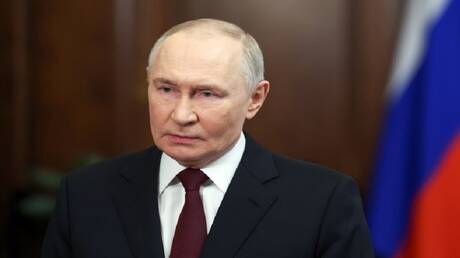
President Vladimir Putin has issued new directives to the government aimed at enhancing the protection of cultural heritage in the country. He emphasized the necessity of integrating this heritage into the national economy by 2030, focusing on accelerating restoration efforts.
This initiative comes at a time when Russia is experiencing a growing interest in culture and heritage, as Putin seeks to bolster national identity through the preservation of cultural and historical landmarks. The president noted that cultural heritage is not merely a relic of the past but an essential part of the present and future.
Details of the Initiative
In a meeting with the government, Putin stressed the importance of developing effective strategies for protecting cultural landmarks, highlighting the need to allocate necessary resources to ensure the implementation of these plans. He clarified that cultural heritage should be part of economic growth, reflecting the importance of culture in promoting sustainable development.
The president also called for the development of educational programs aimed at raising cultural awareness among citizens, contributing to enhanced national pride and increasing the value of cultural heritage within society.
Background & Context
Historically, Russia has faced numerous challenges in preserving its cultural heritage, especially during politically turbulent periods. However, recent years have seen increased efforts to maintain historical landmarks, such as the restoration of ancient churches and historical buildings.
These directives are part of a broader vision by Putin aimed at strengthening national identity in the face of global challenges. This step also aligns with efforts to promote cultural tourism, which is an important source of revenue for the Russian economy.
Impact & Consequences
These directives are expected to lead to increased investments in the cultural sector, contributing to the creation of new job opportunities and boosting the local economy. Additionally, accelerating restoration efforts will enhance the appeal of cultural landmarks to tourists, thereby promoting tourism.
Moreover, this initiative may help strengthen social bonds among citizens, as pride in cultural heritage can enhance social cohesion and reinforce national identity.
Regional Significance
These directives serve as a model for Arab countries seeking to preserve their cultural heritage. Many Arab nations face similar challenges in maintaining cultural landmarks, necessitating the adoption of effective preservation strategies.
Such efforts could contribute to enhancing cultural tourism in Arab nations, thereby boosting the economy and fostering national pride among citizens.
In conclusion, Putin's directives reflect the importance of cultural heritage as a component of national identity and underscore the need for its integration into the economy. This initiative represents a new beginning for the preservation and promotion of Russian culture in the future.