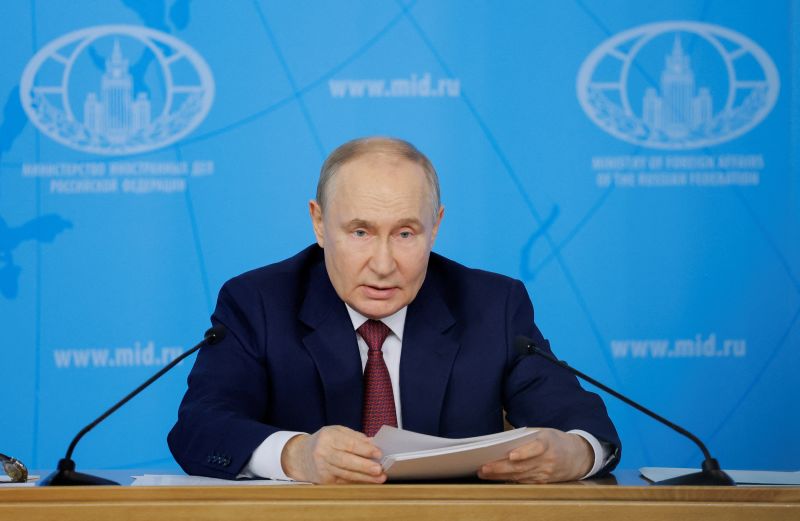
In recent statements, Russian President Vladimir Putin confirmed the possibility of ending the war in Ukraine, suggesting that negotiations could be the optimal path to achieve peace. These remarks come at a time when many countries are suffering from the repercussions of armed conflict, raising questions about the future of international relations and regional security.
In a related context, humanitarian reports have noted a rise in crises in Congo, where killings linked to misinformation have increased. This phenomenon reflects how fake news can exacerbate security and humanitarian conditions, necessitating urgent intervention from the international community.
Details of the Event
Putin mentioned in his speech that diplomatic efforts are underway aimed at achieving a ceasefire, expressing hope that these efforts would yield positive results. He also affirmed that Russia is ready to cooperate with all concerned parties to reach a peaceful solution.
Meanwhile, Congo is facing a severe information crisis, with rising instances of killings due to rumors and false news spreading through social media. This phenomenon underscores the importance of enhancing media literacy and combating misinformation, especially in regions suffering from instability.
Background & Context
Historically, Ukraine has experienced multiple conflicts since 2014, when Russia annexed Crimea, leading to heightened tensions between Russia and the West. These events resulted in economic sanctions against Russia, impacting the Russian economy and international relations.
In Congo, humanitarian crises are not new, as the country has been grappling with internal conflicts for decades. Misinformation has become a weapon used by some to fuel conflicts, increasing civilian suffering and complicating peace efforts.
Impact & Consequences
The implications of Putin's statements extend beyond the Ukrainian issue, potentially affecting relations between Russia and Western countries. If peace is achieved in Ukraine, it could pave the way for improved international relations, contributing to regional stability.
For Congo, the spread of misinformation could worsen humanitarian crises, highlighting the urgent need for enhanced international cooperation to combat this phenomenon. The international community must work on developing effective strategies to address fake news, particularly in conflict-affected areas.
Regional Significance
The Arab region is directly affected by global crises, as any escalation in conflicts or humanitarian crises may reflect on security and stability in Arab countries. Additionally, enhancing media awareness and combating misinformation can positively impact Arab societies, contributing to building a more informed community capable of facing challenges.
In conclusion, the situations in Ukraine and Congo remain focal points for the world, as humanitarian and political crises require urgent responses from the international community. Strengthening international cooperation and combating misinformation will be key to achieving peace and stability in these regions.