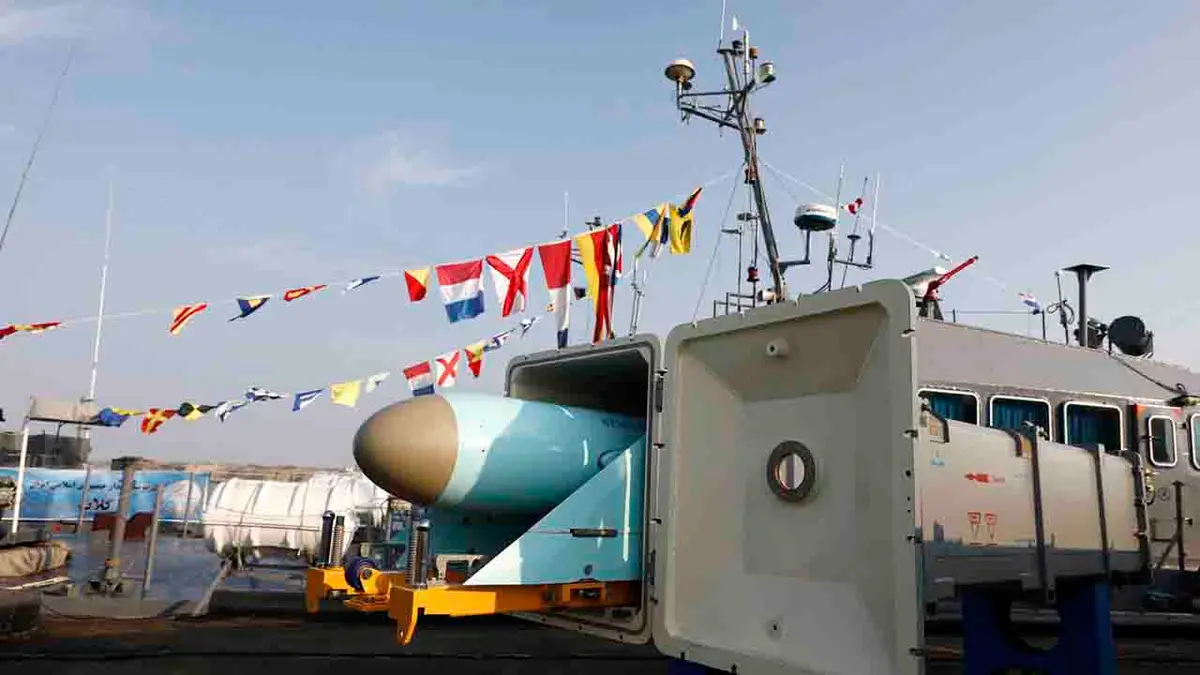
The Qatari Ministry of Defense has announced that it successfully intercepted two Iranian cruise missiles, while a third missile struck an oil tanker in Qatari territorial waters. This incident reflects the rising tensions in the Gulf region, where fears of potential military escalation are increasing.
In detail, Qatari military sources confirmed that the Qatari air defenses were on high alert, allowing them to intercept the Iranian missiles before they reached their targets. While one of the missiles hit the oil tanker, causing material damage, no human injuries were reported.
Details of the Incident
The incident occurred late last night, as Qatari air defenses detected the Iranian missiles approaching Qatari waters. The defensive systems were activated immediately, resulting in the destruction of the two missiles before they could achieve their objectives. However, the defenses were unable to prevent the third missile from hitting the oil tanker, raising questions about the effectiveness of the defensive systems in the face of increasing threats.
This incident is part of a series of military tensions in the region, as Iranian military activities in the Gulf are on the rise, alarming neighboring countries and the international community.
Background & Context
Historically, the Gulf region has witnessed recurring tensions between Iran and Arab countries, especially amid regional conflicts such as the Syrian and Yemeni crises. Qatar has long been considered part of the Arab coalition seeking to counter Iranian influence in the region. Additionally, relations between Qatar and Iran have improved in recent years, despite ongoing tensions.
These events come at a sensitive time, as pressures on Iran from the United States and its allies are increasing, heightening the likelihood of military escalation in the region. There are also concerns that these incidents could provoke military responses from other Gulf states.
Impact & Consequences
This incident could lead to heightened tensions in the Gulf region, as neighboring countries may feel the need to bolster their military defenses. There is also the potential for increased military interventions by major powers in the region, which could lead to greater escalation.
Furthermore, these events may impact global oil markets, as any military escalation in the Gulf could cause oil prices to rise due to fears of supply disruptions. Companies operating in the oil sector may also reassess their investments in the region.
Regional Significance
This incident serves as a reminder of the fragility of the security situation in the Gulf region, where any military escalation could affect stability in neighboring countries. There are concerns that these events could lead to greater escalation in regional conflicts, which could negatively impact regional security.
In conclusion, the situation in the Gulf region remains under close observation, as any new developments could affect security and stability in the area. Qatar finds itself in a precarious position, striving to maintain its national security amid increasing threats.