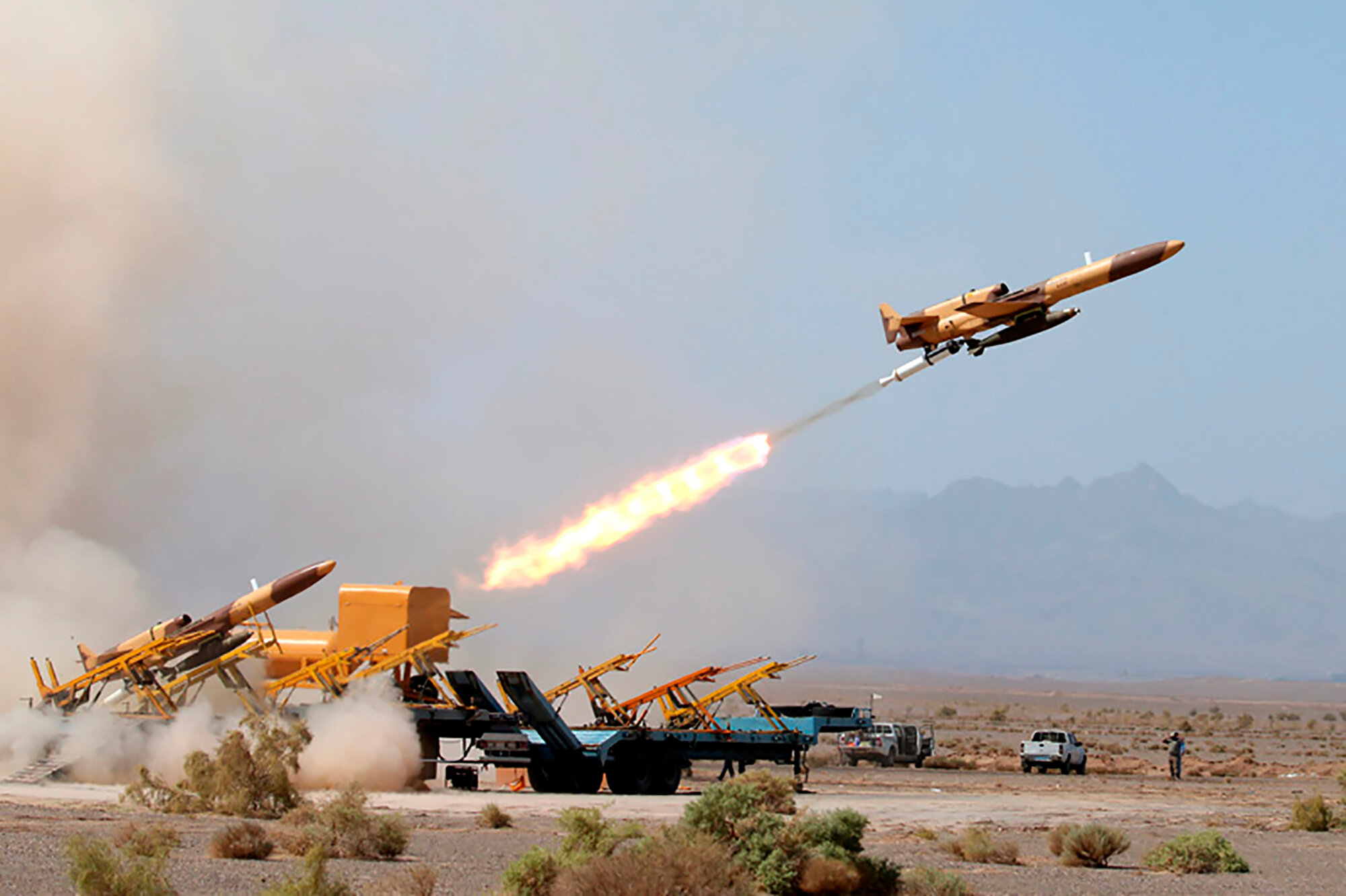
In a move that reflects Qatar's ability to safeguard its airspace, the country announced its success in thwarting an Iranian drone attack. This attack, which was successfully intercepted, comes amid escalating tensions in the region, underscoring the significance of air security under the current circumstances.
According to official sources, the drones were detected before they could reach their targets, prompting the effective activation of Qatar's air defense systems. This incident demonstrates Qatar's capability to handle aerial threats and reinforces its position as a sovereign state capable of protecting its territory and interests.
Details of the Incident
The thwarted attack occurs at a time when the region is experiencing heightened tensions between Iran and Gulf countries. Qatar has emphasized the importance of regional and international cooperation in addressing security threats. Military experts have indicated that this incident could be part of a broader strategy by Iran to test the air defense capabilities of neighboring countries.
Drones are considered modern tools used by many countries in military conflicts, having proven their effectiveness in various global conflicts. However, their use in attacks against sovereign nations raises significant concerns regarding regional security.
Background & Context
Historically, the Gulf region has witnessed numerous tensions between Iran and the Gulf Cooperation Council (GCC) countries. These tensions stem from several factors, including regional disputes, political differences, and military interventions. In recent years, Iranian military activities in the region have increased, leading to strong reactions from neighboring states.
Recent events, such as attacks on oil tankers in the Strait of Hormuz, have further escalated tensions. In this context, the drone incident serves as evidence of the ongoing complex dynamics in the region.
Impact & Consequences
Qatar's success in thwarting the attack may have positive implications for regional security. It strengthens its position as a nation capable of protecting its territory and may encourage other countries to enhance their defensive capabilities. Additionally, this success could contribute to strengthening security cooperation among Gulf states to address common threats.
On the other hand, this incident may lead to an escalation of tensions between Iran and Gulf countries. Iran may perceive this interception as a challenge to its prestige, potentially prompting retaliatory actions or an escalation of its military operations in the region.
Regional Significance
This incident serves as a wake-up call for other Arab countries, highlighting the importance of enhancing air security and regional cooperation to address increasing threats. Furthermore, this development may impact relations between Arab states and Iran, necessitating a reevaluation of defense and security strategies.
In conclusion, Qatar's success in countering the Iranian drone attack underscores the importance of regional security and reflects the ongoing challenges faced by Gulf states under current conditions. The current situation requires a concerted effort from regional and international actors to ensure security and stability in the area.