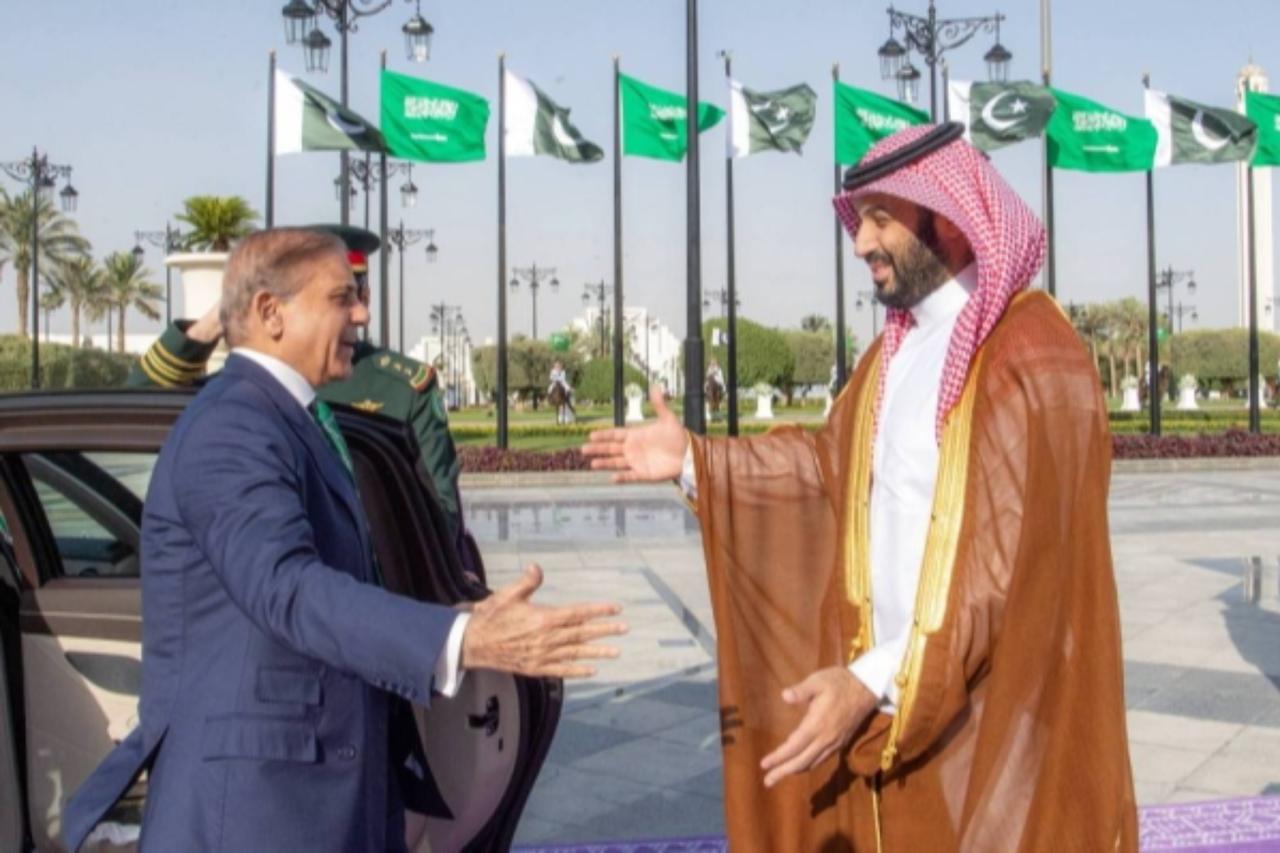
Pakistan announced on Saturday that the foreign ministers of Saudi Arabia, Turkey, and Egypt will visit Islamabad on Sunday and Monday to hold a quadruple meeting aimed at discussing ways to ease tensions in the Middle East. This visit comes at a sensitive time for the region, where tensions are escalating due to ongoing conflicts.
This meeting is considered part of intensive diplomatic efforts aimed at finding peaceful solutions to the disputes plaguing the region, especially in light of the multiple crises facing Middle Eastern countries. It also reflects the desire of the four nations to enhance regional cooperation to address common challenges.
Details of the Event
The quadruple meeting is set to address a range of vital issues, including the situations in Palestine, Syria, and Yemen, where these countries are suffering from escalating humanitarian and political crises. The ministers will also discuss ways to enhance coordination among Arab and Islamic countries to achieve stability in the region.
This step follows a series of diplomatic meetings that have taken place in the region in recent months, aimed at reducing tensions and promoting dialogue among the concerned parties. It is expected that this meeting will yield tangible results that contribute to improving the humanitarian and political conditions in the affected countries.
Background & Context
Historically, the Middle East has witnessed numerous armed conflicts that have exacerbated humanitarian conditions. Since the outbreak of the Syrian war in 2011, crises in the region have escalated, leading to the displacement of millions and rising rates of poverty and unemployment.
Arab and Islamic countries, including Pakistan, are seeking to play an active role in resolving these crises by enhancing regional and international cooperation. Recent years have seen multiple diplomatic initiatives, including the Organization of Islamic Cooperation summit, which addressed the situations in Palestine and Syria.
Impact & Consequences
If the quadruple meeting succeeds in making tangible progress, it could lead to improved humanitarian conditions in the affected countries and enhance the prospects for peace and stability in the region. This meeting may also encourage other countries to engage in similar efforts, contributing to the creation of a more stable environment.
On the other hand, these efforts may face significant challenges, especially in light of the political and ethnic divisions that some countries are experiencing. Therefore, the success of the meeting largely depends on the political will of the involved nations and their ability to overcome differences.
Regional Significance
This meeting represents an important step towards strengthening Arab and Islamic cooperation in facing common challenges. It also reflects the desire of the nations to achieve peace and stability in the region, which positively impacts economic and social conditions.
In light of the multiple crises faced by Arab countries, any diplomatic efforts aimed at achieving de-escalation are deemed essential. Thus, the outcomes of this meeting will be closely watched by many countries and observers in the region.
In conclusion, there remains hope that these efforts will yield positive results that contribute to improving conditions in the Middle East and open new avenues for cooperation and peace.