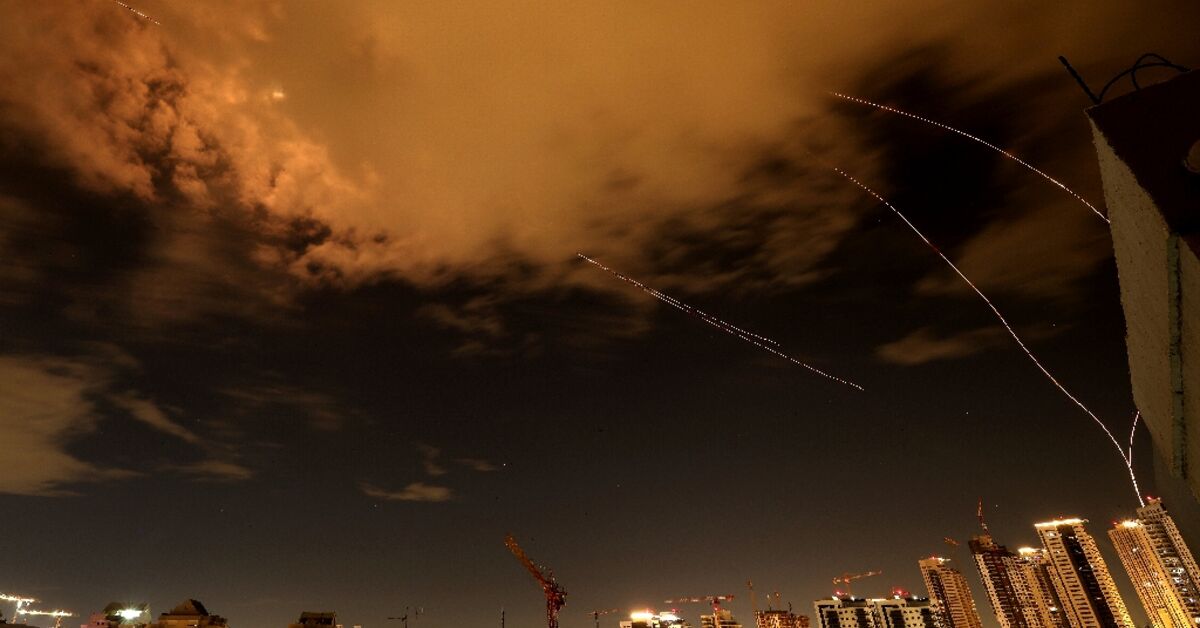
Questions are mounting regarding the capability of Israel's air defenses to counter Iranian attacks as the war in the Middle East enters its second month. While the Israeli military has denied reports of running out of interception missiles used to shoot down Iranian rockets and Hezbollah projectiles, some analysts believe that the war has significantly drained allied resources, raising concerns about the stockpiles of these missiles.
As Iran and its allies continue to launch missiles at Israeli territory, the urgent need to assess the effectiveness of Israel's air defense system, considered among the most advanced in the world, becomes evident. However, the ongoing attacks may place additional pressure on these systems, increasing worries about their ability to continue countering the escalating assaults.
Details of the Situation
Israel is seeking to bolster its air defenses amid rising threats from Iran and Hezbollah, as the country faces an increasing number of missile attacks. Reports have confirmed that the Israeli military is utilizing interception missiles such as the "Iron Dome" and "Arrow," specifically developed to counter aerial threats. However, the intensive use of these systems could lead to a depletion of missile stocks faster than anticipated.
In this context, Israeli military officials have confirmed that they are working to enhance the current stockpiles of interception missiles, but they have not provided precise details regarding the available quantities. Some analysts indicate that this depletion could affect Israel's ability to respond to future attacks, placing it in a more vulnerable defensive position.
Background & Context
Historically, the region has witnessed escalating tensions between Israel and Iran, with the latter being one of Israel's primary adversaries in the Middle East. For years, Iran has sought to enhance its influence in the region by supporting armed groups such as Hezbollah, which has heightened military tensions. These dynamics have led to a series of military conflicts, with Israel facing continuous threats from Iranian missiles.
In recent years, Israel has invested heavily in developing air defense systems, making it one of the leading countries in this field. However, the current challenges may place these systems under unprecedented pressure, necessitating a swift and effective response from the Israeli military.
Impact & Consequences
The ramifications of this war extend beyond Israeli borders, affecting regional stability as a whole. If the war continues for an extended period, neighboring countries may face additional pressures due to an influx of refugees and increasing military tensions. Additionally, the depletion of Israeli military resources could lead to a shift in the balance of power in the region, potentially opening the door to greater escalation of conflicts.
Furthermore, the continuation of the war may impact relations between Israel and the United States, which is considered a key ally. These circumstances could necessitate a reassessment of U.S. military support strategies for Israel, potentially leading to changes in American foreign policy towards the Middle East.
Regional Significance
For Arab countries, the ongoing war in the Middle East represents a significant challenge. With escalating military tensions, peace and stability efforts in the region may be adversely affected. The rising threats from Iran and its allies could place Arab nations in a defensive position, necessitating enhanced security cooperation among Arab states to confront these challenges.
In conclusion, the current situation in the Middle East requires urgent attention from all concerned parties. Understanding the potential ramifications of this war on both regional and international levels is crucial to ensuring peace and stability in the area.