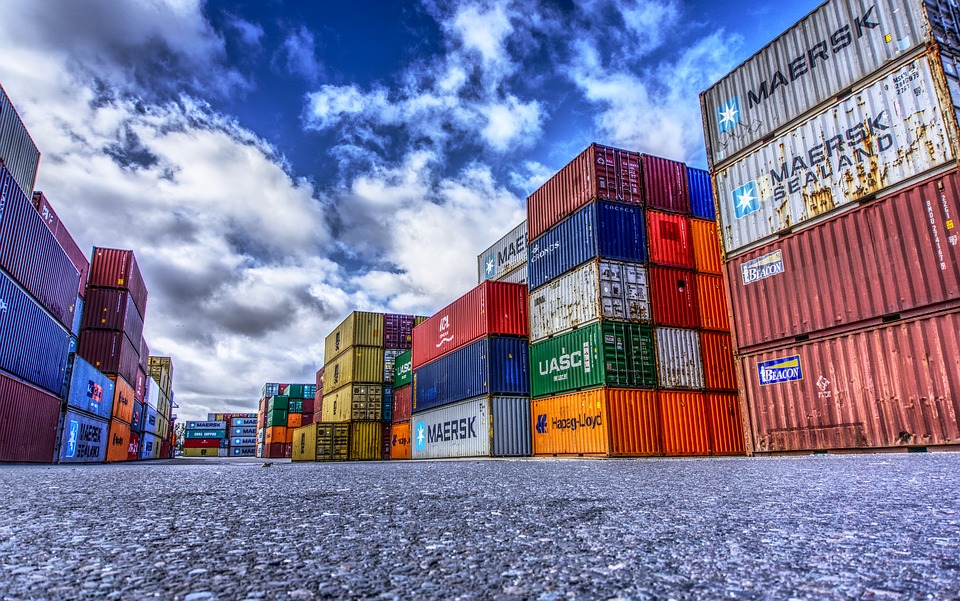
There is a prevailing sense of concern within the business community regarding the rampant phenomenon of bribery in customs departments, as this practice negatively impacts the flow of commercial operations and cargo clearance. Reports indicate that many traders resort to paying bribes to expedite customs clearance procedures, raising questions about the extent of its impact on the national economy.
Customs are considered one of the essential elements of international trade, playing a vital role in regulating the movement of goods between countries. However, the prevalence of corruption in this sector could lead to dire consequences for the reputation of markets and the ability of countries to attract investments.
Details of the Issue
Statistics show that a significant percentage of traders face difficulties in clearing their goods due to complex bureaucratic procedures, prompting them to seek illegal means to overcome these obstacles. Local sources have confirmed that some customs officials exploit these circumstances to demand bribes, thereby reinforcing a culture of corruption.
This situation affects not only traders but also extends its impact to consumers who suffer from rising prices due to the additional costs borne by traders because of bribery. Consequently, these practices affect the economy as a whole, necessitating urgent measures to combat corruption in customs.
Background & Context
Historically, many Arab countries have faced similar issues within customs departments, where bribery and corruption have been common problems. Some governments have attempted to take serious steps to combat this phenomenon, but the results have been varied. In some cases, effective reforms have been implemented, while in others, corrupt practices have continued unabated.
Transparency and accountability are fundamental elements in combating corruption, and governments must promote these principles across all their institutions, including customs. Improving the business environment requires integrated efforts that include training employees and implementing effective regulatory systems.
Impact & Consequences
If the phenomenon of bribery in customs continues, it will lead to an erosion of trust in the commercial system, potentially deterring investors from entering local markets. Moreover, corruption exacerbates economic inequality, benefiting some with influence and wealth while others suffer from poverty and deprivation.
Furthermore, the persistence of these practices could worsen economic crises in countries already facing financial issues. Therefore, addressing the issue of corruption in customs is vital for achieving sustainable development.
Regional Significance
The phenomenon of bribery in customs is a complex issue affecting all Arab countries, as these nations face similar challenges in this area. Strengthening cooperation among Arab countries to combat corruption in customs could contribute to improving the business environment and enhancing economic growth.
Ultimately, Arab governments must adopt comprehensive strategies to combat corruption in customs, including enhancing transparency and strictly enforcing laws. Achieving this will contribute to building strong and sustainable economies that benefit all citizens.