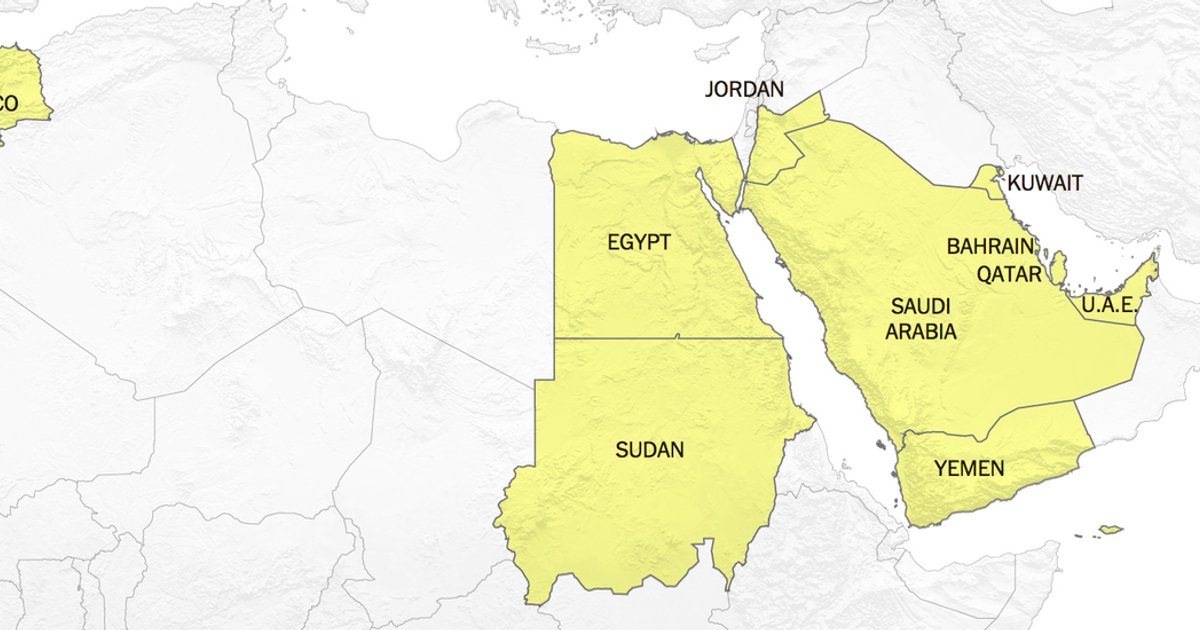
The Middle East is undergoing significant shifts in political and military alliances, raising questions about the future of inter-state relations. These changes come amid rising tensions and regional conflicts, placing the region at a critical crossroads.
In recent years, the region has witnessed substantial changes in the balance of power, with some countries moving to strengthen their traditional alliances while others seek to build new partnerships. These dynamics reflect the increasing challenges faced by states amid ongoing crises, such as the conflict in Syria, tensions between Iran and Gulf states, and the Israeli-Palestinian conflict.
Details of the Current Situation
There are growing indications that old alliances are no longer sufficient to address new challenges. For instance, relations between Saudi Arabia and Iran have shown notable improvement recently, with diplomatic agreements aimed at reducing tensions. In contrast, the United States continues to bolster its military presence in the region, raising concerns among some countries wary of increasing Iranian influence.
Moreover, some Arab countries are striving to enhance economic and trade cooperation among themselves in an effort to reduce dependence on external powers. This shift could contribute to reshaping the regional landscape and strengthen the ability of states to confront common challenges.
Background & Context
Historically, the Middle East has been a theater for multiple conflicts, with major powers playing a significant role in shaping alliances. Since the end of the Cold War, the region has experienced considerable changes, with new powers such as Turkey and Iran emerging, leading to a reevaluation of traditional alliances.
In recent years, it has become clear that security and economic challenges require new strategies. For example, the conflicts in Yemen and Syria, along with tensions in the Gulf, have prompted countries to consider how to enhance their national security through new alliances.
Impact & Consequences
These shifts in alliances significantly affect regional stability. If countries continue to reassess their relationships, this could lead to the emergence of new alliances that may contribute to peace or, conversely, exacerbate conflicts.
Furthermore, these dynamics could impact the regional economy, as new alliances might lead to increased trade and investment cooperation, contributing to economic growth. However, ongoing tensions could deter foreign investments and heighten uncertainty in the markets.
Regional Significance
These shifts in alliances are particularly significant for Arab countries, as they could influence their security and economic strategies. Countries that can adapt to these changes may be able to enhance their position on the regional and global stage.
Ultimately, the question remains: will countries succeed in reshaping their alliances to serve their interests, or will conflicts continue to affect the stability of the region?